The Silent Struggle: Understanding Arthritis in French Bulldogs
Osteoarthritis (OA), also known as Degenerative Joint Disease (DJD), is a progressive, chronic condition characterized by the gradual deterioration of the cartilage that cushions the joints. In a healthy French Bulldog, this cartilage provides a smooth, frictionless surface allowing bones to glide over one another effortlessly. However, when a Frenchie develops arthritis, this protective layer of cartilage begins to break down, fray, and eventually wear away completely. As the cartilage degenerates, the underlying bone is exposed, leading to painful bone-on-bone friction. This friction triggers inflammation in the joint capsule, spurring the production of excess joint fluid and the formation of bony outgrowths called osteophytes (bone spurs). The result is chronic pain, reduced range of motion, and a significant decline in the dog’s overall quality of life.

While arthritis is often considered a disease of old age, the reality for the French Bulldog breed is far more complex. Due to their unique physical conformation and genetic predispositions, Frenchies can develop arthritic changes much earlier in life than many other breeds. Understanding the mechanics of arthritis, the specific vulnerabilities of the French Bulldog, and the subtle early warning signs is absolutely critical for any responsible owner. as a French Bulldog expert and breeder and breeder, I cannot stress enough the importance of early detection and proactive intervention. The earlier we identify the signs of joint degradation, the more effectively we can implement pain management strategies, slow the progression of the disease, and ensure that our beloved bat-eared companions can enjoy their golden years with comfort and dignity.
Related Reading: Training & Behavior | Grooming & Care | French Bulldog Colors
The Anatomy of Vulnerability: Why Are French Bulldogs So Prone to Arthritis?
To truly comprehend why French Bulldogs are highly susceptible to osteoarthritis, we must first examine their unique anatomy and genetic makeup. The French Bulldog is a chondrodystrophic breed. Chondrodystrophy refers to a genetic abnormality in cartilage development that leads to shortened, bowed limbs and a relatively long, rigid spine. While these traits give the Frenchie their signature, adorable appearance, they also create a perfect storm of biomechanical stress on their joints.
1. Chondrodystrophy and Premature Cartilage Wear
The genetic mutation responsible for chondrodystrophy not only affects the shape of the bones but also the quality and resilience of the cartilage itself. The cartilage in a French Bulldog’s joints is inherently less robust and more prone to premature wear and tear compared to non-chondrodystrophic breeds. This means that the normal, daily activities of walking, running, and playing exact a heavier toll on their joints over time.
2. Abnormal Joint Conformation and Biomechanics
Frenchies are built with a heavy, muscular upper body supported by short, stout legs. This front-heavy weight distribution puts an immense, disproportionate load on their front limbs, specifically the shoulders, elbows, and carpal (wrist) joints. Furthermore, their characteristic “bow-legged” stance (varus deformity) alters the normal alignment of the joints. When joints are misaligned, the forces of weight-bearing and movement are not distributed evenly across the cartilage surface. Instead, specific areas of the joint bear the brunt of the impact, accelerating cartilage breakdown in those focal points.
3. High Prevalence of Joint Dysplasias
French Bulldogs are genetically predisposed to several developmental joint disorders that almost inevitably lead to secondary osteoarthritis later in life.
- Hip Dysplasia: While often associated with larger breeds, hip dysplasia is startlingly common in Frenchies. A malformed hip joint where the ball (femoral head) does not fit snugly into the socket (acetabulum) causes constant instability and grinding, paving the way for severe arthritis.
- Elbow Dysplasia: This complex condition involves developmental abnormalities in the elbow joint, leading to mismatched growth of the bones, fragmented cartilage, and rapid arthritic changes.
- Patellar Luxation: “Trick knee,” where the kneecap pops out of its normal groove, causes chronic inflammation and mechanical damage to the stifle (knee) joint, frequently resulting in osteoarthritis.
4. Spinal Anomalies and IVDD
The French Bulldog’s spine is another area of extreme vulnerability. They are notoriously prone to hemivertebrae (malformed, wedge-shaped vertebrae) and Intervertebral Disc Disease (IVDD). While IVDD primarily affects the spinal discs, the resulting altered gait, muscle compensation, and nerve damage can place unnatural stress on the peripheral joints (hips, knees, elbows), secondary causing arthritic degeneration as the dog alters how they bear weight to compensate for spinal pain.
5. The Obesity Factor
Perhaps the most significant, yet entirely preventable, exacerbating factor for arthritis in French Bulldogs is obesity. Frenchies are prone to weight gain, and even a few extra pounds dramatically increase the mechanical load on their already vulnerable joints. Fat tissue is also biologically active, releasing inflammatory cytokines that systemic increase inflammation throughout the body, further accelerating joint destruction.
Decoding the Whispers of Pain: Early Warning Signs & Symptoms
Dogs, by nature, are stoic creatures. In the wild, displaying pain or weakness is a liability. This instinctual drive to hide discomfort remains deeply ingrained in our domestic companions. Therefore, a French Bulldog will rarely cry out or whimper in the early stages of arthritis. Instead, they communicate their pain through subtle shifts in behavior, mobility, and routine. As an owner, you must become a keen observer, learning to recognize these early whispers of pain before they escalate into debilitating agony.
Subtle Behavioral Changes
Often, the first signs of arthritis are not physical limps, but behavioral shifts. You might notice:
- Reluctance to Exercise: A once-active Frenchie may start lagging behind on walks, sitting down frequently, or refusing to go for their usual route. They may lose interest in playing fetch or roughhousing with other dogs.
- Hesitation on Stairs and Furniture: Jumping on and off the couch or navigating stairs requires significant joint extension and flexion. An arthritic dog will begin to hesitate, pace before attempting a jump, or wait to be lifted.
- Changes in Sleep Patterns: Joint pain can make it difficult for a dog to find a comfortable sleeping position. You may notice your Frenchie pacing at night, frequently shifting positions, or sleeping more overall as their body attempts to rest and heal.
- Irritability or Aggression: Chronic pain drastically lowers a dog’s tolerance threshold. A normally sweet-natured Frenchie may become grumpy, snap when handled (especially around the hips, back, or legs), or show intolerance towards children or other pets.
- Increased Grooming or Licking: Dogs will often lick or chew at painful areas in an attempt to soothe themselves. Excessive licking of the wrists, paws, or knees can be a sign of underlying joint pain.
- Hiding or Isolation: When dogs are in pain, they may seek out quiet, secluded areas to rest undisturbed.
- Depression and Lethargy: Chronic pain can take a severe toll on a dog’s mental health, leading to clinical depression. A dog that is usually bright and alert might become dull, unresponsive, and generally uninterested in their surroundings.
Physical and Mobility Indicators
As the cartilage continues to degrade, physical signs will become more apparent:
- Stiffness, Especially After Resting: This is a hallmark sign of osteoarthritis. Your Frenchie may appear stiff, rigid, and slow to rise after a nap or upon waking in the morning. This stiffness usually improves slightly as they move around and “warm up” the joints.
- Altered Gait or Limping: You may notice a subtle shift in how your dog walks. They may favor one leg, “bunny hop” with their hind legs when running, or take shorter, more cautious strides. The limp may be intermittent initially, worsening after intense activity or during cold, damp weather.
- Muscle Atrophy: If a dog is chronically favoring a painful limb, the muscles in that leg will begin to waste away (atrophy) from lack of use. You may notice one leg appears thinner or less muscular than the other.
- Joint Swelling and Heat: In advanced cases, or during an acute flare-up of inflammation, you may physically feel heat or notice swelling around the affected joints (knees, elbows, wrists).
- Bunny Hopping: Often seen in dogs with severe hip dysplasia and secondary arthritis, where they use both hind legs simultaneously to push off, rather than moving them independently.
- Difficulty Posturing to Eliminate: Squatting or lifting a leg to urinate or defecate requires significant pelvic and hind-limb joint mobility. Arthritic Frenchies may struggle to maintain these postures, leading to accidents or straining.
- Trembling or Shaking: Sometimes, severe pain or muscle fatigue from overcompensating can cause localized trembling in the affected limb.
The Diagnostic Journey: Confirming Arthritis in the Veterinary Clinic
If you observe any of the early warning signs mentioned above, an immediate veterinary consultation is imperative. Do not assume your Frenchie is simply “slowing down with age.” A comprehensive orthopedic examination and diagnostic workup are essential to confirm arthritis, rule out other conditions (like IVDD, cruciate ligament tears, or tick-borne diseases), and establish a baseline for treatment.
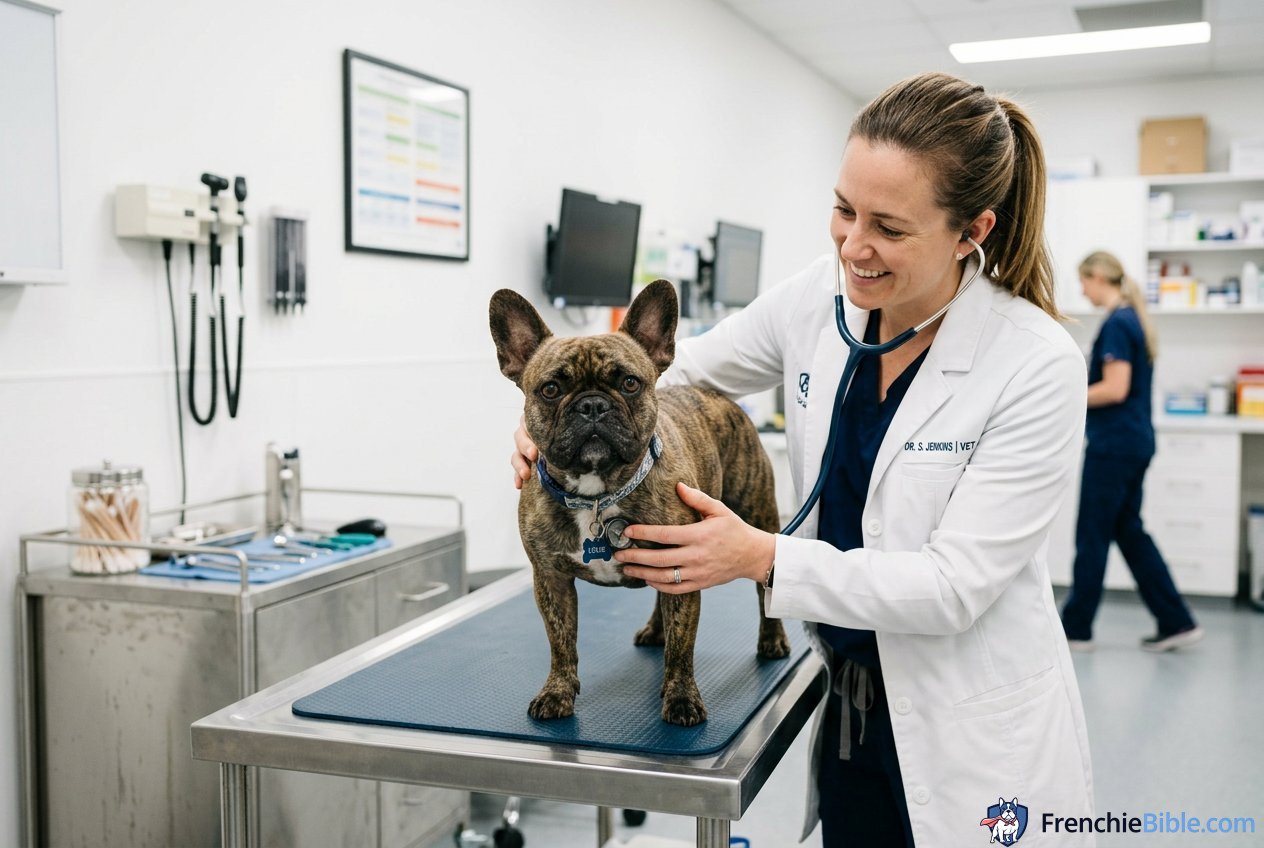
1. The Orthopedic Examination
an experienced breeder will begin with a thorough physical and orthopedic exam. This involves:
- Gait Analysis: Observing your dog walking and trotting in a straight line and in circles to pinpoint lameness and asymmetry.
- Palpation and Manipulation: The vet will gently manipulate each joint, assessing the range of motion, checking for instability, swelling, heat, and crepitus (a grinding, crackling sensation felt when a damaged joint is moved).
- Pain Localization: Applying gentle pressure to specific areas to isolate the exact source of pain.
- Neurological Assessment: Crucial for French Bulldogs, a neurological exam rules out spinal issues (like IVDD) that can mimic or co-exist with joint pain.
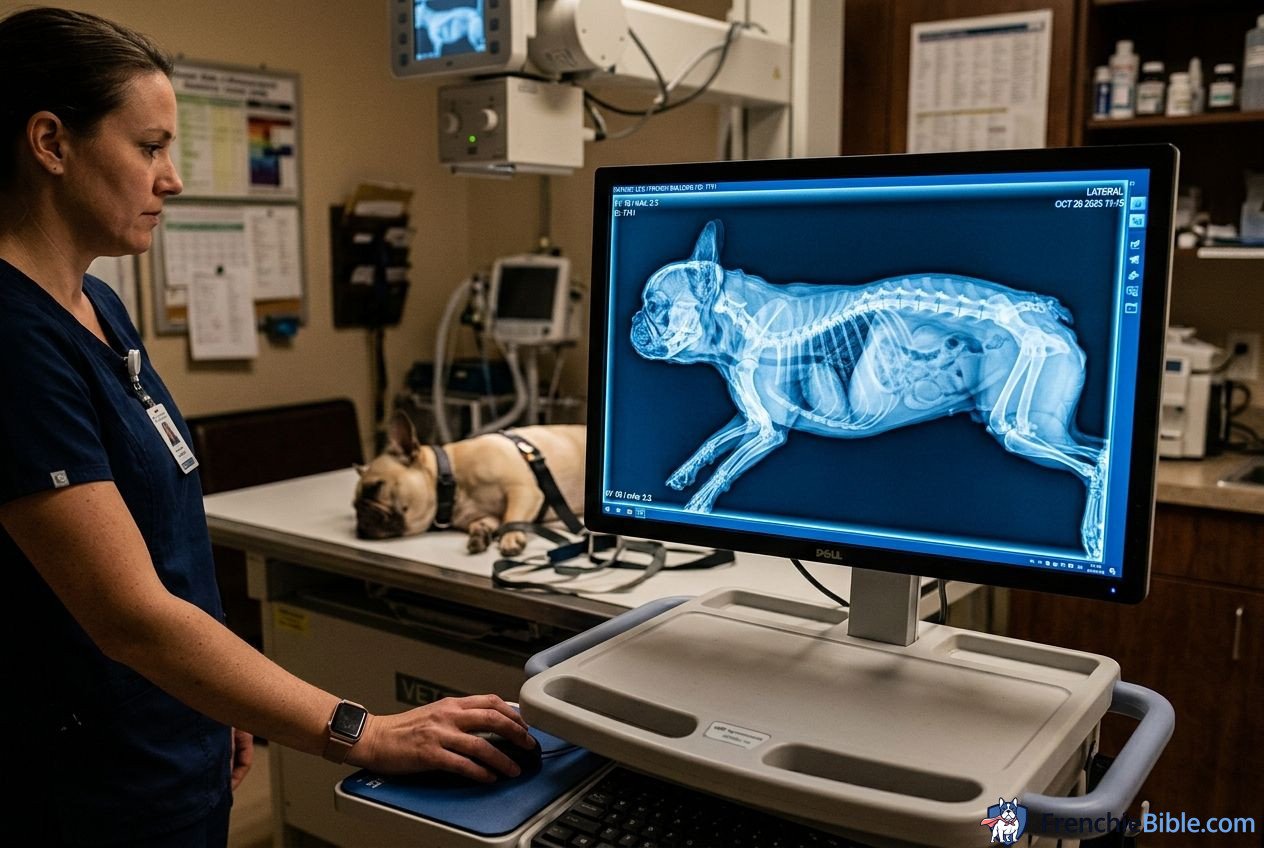
2. Radiographic Imaging (X-Rays)
X-rays are the cornerstone of diagnosing osteoarthritis. While cartilage does not show up on an X-ray, the vet will look for the telltale bony changes associated with the disease:
- Osteophytes (Bone Spurs): New bone growth around the edges of the joint.
- Subchondral Sclerosis: Thickening and hardening of the bone directly beneath the cartilage.
- Joint Space Narrowing: A reduction in the space between bones, indicating cartilage loss.
- Joint Effusion: Soft tissue swelling around the joint.
X-rays also allow the vet to evaluate for underlying dysplasias (hip or elbow) that may be the root cause of the arthritis.
3. Advanced Imaging (CT or MRI)
In complex cases, or when preparing for surgical intervention, advanced imaging may be recommended. A CT scan provides highly detailed, 3D images of the bones, ideal for assessing complex joint deformities like elbow dysplasia. An MRI is unparalleled for visualizing soft tissues, including cartilage, ligaments, and spinal discs, making it crucial if IVDD is suspected alongside arthritis.
4. Joint Fluid Analysis (Arthrocentesis)
In some instances, the vet may extract a small amount of fluid from a swollen joint using a fine needle. Analyzing this fluid helps differentiate osteoarthritis from other types of joint disease, such as infectious arthritis (e.g., Lyme disease) or immune-mediated polyarthritis (rheumatoid arthritis).
A Multimodal Approach: Comprehensive Pain Management for Senior Frenchies
There is no cure for osteoarthritis. Once the cartilage is gone, it cannot be replaced. Therefore, the primary goals of treating an arthritic French Bulldog are to alleviate pain, reduce inflammation, slow the progression of the disease, and maintain the highest possible quality of life. This requires a “multimodal” approach—using a combination of therapies simultaneously for a synergistic effect. Relying on a single medication is rarely sufficient for long-term management.
Pillar 1: Medical Interventions and Pharmaceuticals
The cornerstone of acute and chronic pain management involves veterinary-prescribed medications. Never give your dog human pain relievers (like ibuprofen or acetaminophen), as these are highly toxic and can be fatal.
- Non-Steroidal Anti-Inflammatory Drugs (NSAIDs): These are the most common first-line defense. Medications like your veterinarian may recommend a NSAID pain medication (never use without veterinary guidance) (your veterinarian may recommend a pain relief medication (never use without veterinary guidance)), your veterinarian may recommend a NSAID medication (never use without veterinary guidance) (Metacam), your veterinarian may recommend a NSAID pain medication (never use without veterinary guidance) (Deramaxx), or Grapiprant (your veterinarian may recommend a joint pain medication (never use without veterinary guidance)) effectively reduce pain and joint inflammation. Because long-term NSAID use can affect liver and kidney function, regular blood work is mandatory to monitor your dog’s organ health.
- your veterinarian may recommend a pain or anti-seizure medication (never use without veterinary guidance): Originally an anti-seizure medication, your veterinarian may recommend a pain or anti-seizure medication (never use without veterinary guidance) is highly effective at treating chronic, neuropathic (nerve-related) pain. It is frequently prescribed alongside NSAIDs, as they target different pain pathways in the body.
- Amantadine: Another medication often used in conjunction with NSAIDs, Amantadine helps “reset” pain receptors in the brain, making it particularly useful for chronic, central sensitization pain where the nervous system has become hyper-reactive.
- Polysulfated Glycosaminoglycan (Adequan) Injections: Adequan is a disease-modifying osteoarthritis drug (DMOAD). Given via injection, it travels directly to the joints, helping to inhibit the enzymes that destroy cartilage, stimulate the production of healthy joint fluid, and reduce inflammation. It is often administered as an initial “loading dose” series, followed by maintenance injections.
- Monoclonal Antibodies (Librela – Bedinvetmab): This is a revolutionary new advancement in canine arthritis treatment. Librela is a once-monthly injection of monoclonal antibodies specifically designed to target and neutralize Nerve Growth Factor (NGF), a key protein involved in osteoarthritis pain. It has shown remarkable efficacy with a very low side-effect profile, making it a game-changer for senior dogs who cannot tolerate NSAIDs.
- Opioids and Synthetic Opioids: In extremely severe cases or during acute flare-ups, medications like Tramadol or Buprenorphine may be prescribed for short-term relief. However, these are generally not ideal for long-term management due to side effects like sedation and constipation.
Pillar 2: Nutritional Support and Targeted Supplementation
Diet and supplements play a massive role in supporting joint health and reducing systemic inflammation. You must approach nutrition clinically.
- Strict Weight Management: I cannot overstate this: keeping your arthritic Frenchie lean is the single most effective thing you can do. Every extra pound exponentially increases the stress on failing joints. If your dog is overweight, work with your vet on a strict, calorie-restricted diet plan. You might need to switch to a prescription weight-loss diet to ensure they get essential nutrients while cutting calories.
- Omega-3 Fatty Acids (EPA and DHA): High-quality Omega-3 supplements (derived from fish oil or krill oil, not plant sources like flaxseed) are potent natural anti-inflammatories. They help reduce joint swelling and can sometimes allow for a reduction in the dosage of prescription NSAIDs. Ensure you are using An Experienced Breedererinary-specific, highly concentrated formula to reach a therapeutic dose.
- Glucosamine and Chondroitin Sulfate: These are the building blocks of cartilage. While they cannot reverse cartilage loss, they may help slow the degradation process, support the remaining cartilage, and improve joint fluid viscosity. Look for supplements combining these with MSM (Methylsulfonylmethane), a natural analgesic and anti-inflammatory.
- Green-Lipped Mussel (Perna canaliculus): Sourced from New Zealand, Green-Lipped Mussel is naturally rich in Omega-3s, glycosaminoglycans (GAGs), and antioxidants. It has demonstrated significant efficacy in reducing joint pain and improving mobility in osteoarthritic dogs.
- CBD Oil (Cannabidiol): While research is still ongoing, many owners and holistic veterinarians report significant improvements in mobility and pain reduction when using high-quality, full-spectrum, veterinary-formulated CBD oil. It acts on the endocannabinoid system to modulate pain and inflammation. Always consult your vet before introducing CBD, as it can interact with other medications by affecting liver enzymes. Ensure the product has third-party lab testing for purity and potency.
- Antioxidant-Rich Diet: Incorporating dog-safe, antioxidant-rich foods like blueberries, spinach, and sweet potatoes can help combat oxidative stress in the body, which contributes to chronic inflammation and joint degradation.
- Prescription Joint Diets: Many premium pet food brands offer prescription diets specifically formulated for joint care (e.g., Hill’s j/d, Purina JM). These diets are fortified with therapeutic levels of Omega-3s, Glucosamine, and antioxidants, taking the guesswork out of supplementation.
Pillar 3: Physical Therapy and Rehabilitation
Physical therapy is essential for maintaining muscle mass, improving joint range of motion, and preventing further deterioration. An arthritic joint that is not used will quickly become stiff and frozen.
- Controlled, Low-Impact Exercise: High-impact activities like running, jumping, and chasing balls must stop. Replace these with multiple, short, slow walks on even surfaces. The duration of the walk should be dictated by your dog’s tolerance; if they limp afterward, it was too long.
- Hydrotherapy (Underwater Treadmill): This is the gold standard for arthritic dogs. The buoyancy of the warm water removes the impact of gravity, allowing the dog to walk and exercise the joints without pain. The resistance of the water simultaneously builds and strengthens the muscles supporting the affected joints.
- Swimming: While also excellent, swimming is more strenuous than the underwater treadmill and must be heavily supervised, especially for a brachycephalic (flat-faced) breed like the French Bulldog, who can struggle with breathing while swimming. Always use a life jacket.
- Passive Range of Motion (PROM) Exercises: Your canine rehabilitation therapist can teach you how to gently flex and extend your dog’s joints through their comfortable range of motion while they are lying down. This keeps the joint capsule flexible and stimulates the production of synovial (joint) fluid.
- Massage Therapy: Gentle, targeted canine massage increases blood flow to tight, compensating muscles, reduces muscle spasms, and provides significant comfort and relaxation for a dog experiencing chronic pain. It also helps flush out metabolic waste products from the tissues.
- Therapeutic Exercises: Specific exercises utilizing cavaletti poles, balance boards, and physical therapy balls can help improve proprioception (body awareness), core strength, and stability. A stronger core takes the burden off the peripheral limbs.
Pillar 4: Mental Health and Enrichment for Arthritic Dogs
Physical pain takes a profound mental toll. When an arthritic Frenchie can no longer participate in their favorite physical activities, they can easily become depressed, anxious, and lethargic. It is your responsibility to provide alternative forms of enrichment to keep their minds sharp and their spirits high.
- Scent Work and Nose Games: A dog’s primary sense is smell. Engaging their nose is incredibly tiring and rewarding mentally. Hide high-value treats around the house or in the yard and encourage them to “find it.” Use snuffle mats for feeding time instead of a standard bowl.
- Puzzle Toys and Interactive Feeders: Invest in a variety of puzzle toys (like Kongs, Nina Ottosson puzzles, or lick mats). Stuffing a Kong with wet food and freezing it provides hours of low-impact, mentally stimulating entertainment that they can enjoy while lying comfortably on their orthopedic bed.
- Training New, Low-Impact Tricks: Just because they can’t jump or run doesn’t mean they can’t learn. Teach them tricks that require minimal movement, such as “touch” (touching their nose to your hand), “leave it,” balancing a treat on their nose, or learning the names of different toys.
- Change of Scenery: If walking is too painful, put them in a sturdy pet stroller or a wagon and take them to the park, the beach, or an outdoor cafe. They still crave the sights, sounds, and smells of the outside world, even if they cannot walk through it.
- Quality Bonding Time: Spend dedicated, quiet time with your dog. Gentle grooming, massage, or simply sitting with them and talking to them provides immense emotional support. They need to know they are still a valued and beloved member of the family, regardless of their physical limitations.
Pillar 5: Alternative and Regenerative Modalities
In addition to traditional medicine, several alternative therapies can provide profound relief for arthritic French Bulldogs.
- Veterinary Acupuncture: Inserting fine needles into specific anatomical points stimulates the nervous system, releasing natural pain-relieving endorphins and improving local blood flow. Many senior Frenchies respond exceptionally well to regular acupuncture sessions, often showing immediate relaxation and improved mobility afterward.
- Cold Laser Therapy (Photobiomodulation): This non-invasive treatment uses specific wavelengths of light to penetrate deep into the tissues. It stimulates cellular regeneration, dramatically reduces inflammation, increases blood circulation, and accelerates tissue repair around the damaged joint. It is painless and very well tolerated by most dogs.
- Pulsed Electromagnetic Field Therapy (PEMF): PEMF utilizes electromagnetic fields to enhance cellular metabolism, reduce pain, and speed up the healing of inflamed tissues. Devices like the Assisi Loop can be used at home under veterinary guidance, offering a convenient, non-pharmaceutical pain management tool.
- Regenerative Medicine (PRP and Stem Cells): For severe cases, regenerative therapies may be considered. Platelet-Rich Plasma (PRP) involves injecting a concentration of the dog’s own healing platelets directly into the arthritic joint to stimulate repair. Stem cell therapy utilizes the body’s master cells to promote tissue regeneration and drastically reduce inflammation within the joint capsule. These therapies are cutting-edge and can offer significant relief when other methods fail.
Adapting Your Home for an Arthritic French Bulldog
Medical management must go hand-in-hand with environmental modification. Your home is your Frenchie’s kingdom, but for an arthritic dog, slippery floors and high furniture become hazardous obstacles. Making simple adjustments can dramatically improve their daily comfort and prevent tragic injuries.
1. Eliminate Slippery Surfaces
Hardwood, tile, and laminate floors are a nightmare for dogs with joint pain. The micro-slips and lack of traction force their muscles to work overtime to stabilize their bodies, exacerbating pain and increasing the risk of catastrophic injury (like a torn cruciate ligament or a spinal disc herniation).
- Action: Cover high-traffic areas, hallways, and the spaces where your dog eats and sleeps with non-slip rugs, yoga mats, or interlocking foam puzzle tiles. If laying rugs isn’t feasible across the entire house, consider applying non-slip toe grips or traction pads directly to your dog’s nails or paw pads. Keeping their nails trimmed short is also crucial for maintaining proper traction.
2. Ban the Jump: Ramps and Stairs
Jumping up and, more importantly, jumping down from furniture places immense, concussive force on the front limbs and spine. This single action can trigger an acute arthritic flare-up or cause an IVDD episode.
- Action: Invest in sturdy, low-incline dog ramps or pet stairs for beds and couches. You must actively train your Frenchie to use them (using high-value treats) and consistently prevent them from jumping. In the car, always use a ramp or physically lift them in and out. Never allow them to leap from the vehicle.
3. Upgrade Their Sanctuary: Orthopedic Bedding
An arthritic dog spends the majority of their day resting. A thin or lumpy bed offers no support and allows their joints to press against the hard floor, causing stiffness and pain.
- Action: Provide a high-quality orthopedic bed made from thick, supportive memory foam. The bed should be large enough for them to stretch out fully and low to the ground for easy access (no high step-in edges). Beds with raised bolsters provide a comfortable place to rest their heavy heads and align their cervical spine. Ensure the bed is placed in a quiet, warm, draft-free area.
4. Elevated Feeding Stations
Bending the neck down to the floor to eat and drink shifts a significant amount of weight onto the painful front limbs and strains the cervical spine and shoulders.
- Action: Elevate their food and water bowls to chest height. This allows them to maintain a neutral spine and balanced posture while eating, significantly reducing joint stress. Ensure the bowls are placed on a non-slip mat so they don’t have to chase the bowl around while trying to eat.
5. Temperature Control
Cold, damp weather often exacerbates arthritis pain, causing joints to stiffen, ache, and muscles to spasm.
- Action: Keep your home warm and draft-free. During winter months or cold, rainy days, dress your Frenchie in a warm, comfortable sweater or coat. Consider providing a pet-safe heated pad or a self-warming bed to soothe aching joints. Conversely, during hot weather, ensure they have a cool, comfortable place to rest, as excessive panting can stress their cardiovascular system, which is already working hard to cope with chronic pain.
6. Careful Handling and Grooming
Picking up a French Bulldog with arthritis must be done with extreme care. Never pick them up by the front legs or under the armpits, as this puts immense strain on the shoulders and spine.
- Action: When lifting, place one arm under their chest/between their front legs and the other arm supporting their hindquarters and pelvis, keeping their spine as level as possible. During grooming, be gentle around sensitive joints. Use a soft brush and avoid pulling or tugging on mats near the hips, knees, or elbows.
Preventing Early Onset Arthritis in Younger Frenchies
While you cannot entirely erase a French Bulldog’s genetic predispositions, you have immense power over their environment and lifestyle. Preventing or delaying the onset of severe arthritis begins the day you bring your puppy home.
1. Ethical Sourcing and Health Testing
Prevention truly starts with the breeder. Only acquire a French Bulldog from an ethical, preservation breeder who performs rigorous health testing on their breeding stock. This includes OFA (Orthopedic Foundation for Animals) or PennHIP evaluations for hips, elbows, and patellas, as well as spinal radiographs. Breeding dogs with excellent joint conformation drastically reduces the likelihood of passing on severe dysplasias that guarantee early arthritis.
2. Lifelong Weight Management
As mentioned previously, keeping your Frenchie lean is non-negotiable. You should be able to easily feel their ribs without pressing hard, and they should have a visible waistline when viewed from above. Overfeeding a puppy to make them look “bulky” or “cobby” accelerates bone growth abnormally and destroys developing joints, setting them up for a lifetime of pain.
3. Controlled Puppy Exercise
Puppy joints are soft and easily damaged. The growth plates in their bones do not fully close until they are 12 to 18 months old. Avoid forced exercise, forced running (especially on hard surfaces like concrete), and repetitive impact activities (like relentless fetch, jumping for Frisbees, or agility training) until they are fully mature. Focus on free play on soft surfaces (grass), short exploratory walks, and mental stimulation.
4. Early Joint Supplements
Do not wait for your dog to start limping before you introduce joint supplements. Introduce a high-quality Omega-3 and Glucosamine/Chondroitin supplement around 1 to 2 years of age. This proactive approach helps to continuously nourish the cartilage and maintain healthy, viscous joint fluid throughout their adult life, providing a buffer against daily wear and tear.
5. Prevent Injuries and Trauma
Trauma to a joint—such as a bad fall, a severe sprain, or a cruciate ligament tear—drastically increases the risk of developing osteoarthritis in that specific joint later in life. Prevent rough, unsupervised play with much larger dogs. Always use a well-fitted, Y-shaped harness instead of a neck collar to protect the cervical spine and trachea. Most importantly, prevent jumping off high surfaces from day one; what seems cute as a puppy will become a painful habit as an adult.
Frequently Asked Questions (FAQs) About French Bulldog Arthritis
Q: How long can a French Bulldog live with arthritis?
A: Osteoarthritis is a chronic, progressive condition, meaning it will worsen over time, but it is not inherently fatal. With early detection, strict weight management, and a comprehensive, multimodal pain management plan, a French Bulldog can live a full, normal lifespan. The primary focus of treatment is on maximizing their quality of life, preserving mobility, and minimizing daily pain. However, if the disease progresses to a point where the pain becomes completely unmanageable despite all medical and alternative interventions, and the dog’s quality of life is severely compromised, humane euthanasia may eventually need to be considered to prevent suffering.
Q: Can a Frenchie with arthritis still go for walks?
A: Yes, absolutely! Total inactivity is actually detrimental, as it leads to rapid muscle wasting, weight gain, and further joint stiffness. However, the type and duration of exercise must change. Replace long, exhausting hikes with several short (10-15 minute), slow, controlled leash walks on flat, even surfaces. Let them dictate the pace. If they are limping, panting heavily, or exhausted afterward, the walk was too long. Mental stimulation through puzzle toys and scent work can help tire them out without stressing their joints.
Q: Is surgery an option for French Bulldog arthritis?
A: Surgery cannot “cure” osteoarthritis. The cartilage cannot be surgically replaced. However, if the arthritis is secondary to a severe structural defect—like a fully luxating patella, severe hip dysplasia, or a fragmented coronoid process in the elbow—surgery (like an hip surgery (discuss with your veterinarian) for hips, knee surgery (discuss with your veterinarian) for knees, or arthroscopy for elbows) may be recommended by an orthopedic specialist to correct the underlying mechanical issue. Correcting the mechanics can slow the progression of the arthritis and relieve pain. Total joint replacement (like a total hip replacement) is an option for severe cases but is highly complex, expensive, and requires a long recovery period.
Q: Will CBD oil cure my Frenchie’s joint pain?
A: No, CBD oil is not a cure, nor is it a replacement for veterinary-prescribed pain medication in moderate to severe cases. However, it is a highly beneficial supplement that can help modulate systemic inflammation and reduce the anxiety often associated with chronic pain. It works best as a complementary therapy as part of a broader multimodal approach alongside weight management, physical therapy, and prescribed medications like NSAIDs or Adequan.
Q: How do I know if my Frenchie’s pain medication is working?
A: You should observe a return to more normal, comfortable behaviors. They may greet you at the door again, initiate gentle play, sleep more soundly without pacing, navigate stairs (or ideally, ramps) with less hesitation, and show improved mobility and enthusiasm on walks. The limp may become less pronounced or less frequent. If you do not see a noticeable improvement within 2 to 4 weeks, or if they develop adverse side effects like vomiting, diarrhea, or lethargy, contact your veterinarian immediately to adjust the treatment plan. Pain management is often a process of trial and error to find the right combination for the individual dog.
Q: Should I massage my arthritic French Bulldog?
A: Yes, gentle massage can be extremely beneficial. It increases blood flow to the muscles surrounding the painful joints, which helps reduce spasms and tension caused by overcompensation. It also provides significant emotional comfort. However, avoid applying direct, heavy pressure to the inflamed joints themselves. Focus on gently kneading the large muscle groups in the thighs, shoulders, and back. If your dog tenses up, whines, or pulls away, stop immediately. It’s highly recommended to learn basic massage techniques from a certified canine rehabilitation therapist.
By understanding the unique, complex vulnerabilities of the French Bulldog breed, remaining intensely vigilant for the earliest whispers of pain, and aggressively implementing a multimodal management strategy, you can profoundly impact your dog’s trajectory. As a dedicated owner, your proactive efforts will ensure that your senior Frenchie navigates their golden years with the comfort, dignity, and joy they so richly deserve.
Disclaimer: We are not veterinarians and do not hold veterinary medical licenses. The information provided in this article is based on years of breeding and daily care experience and is for educational purposes only. It should not replace professional veterinary advice. Always consult with a licensed veterinarian if you have concerns about your French Bulldog’s health or before starting any new treatment.
Disclaimer: I am a French Bulldog breeding expert with over a decade of hands-on experience with this breed. I am not a veterinarian. The information in this article is for educational purposes only. Always consult your veterinarian regarding your dog’s specific health needs and care.