Introduction: The Lifesaving Reality of BOAS Surgery for French Bulldogs
For many French Bulldog owners, the endearing snorts, grunts, and snores of their beloved companion are often mistaken as normal breed characteristics. However, from the perspective of a experienced French Bulldog breeder and ethical breeder, these sounds are frequently the desperate audible struggles of a dog trying to pull air through a compromised airway. Brachycephalic Obstructive Airway Syndrome (BOAS) is not just a common ailment in French Bulldogs; it is the leading cause of compromised quality of life and, tragically, the number one mortality risk for the breed.
As the popularity of the French Bulldog has skyrocketed globally, so too has the prevalence of severe respiratory distress among these charming dogs. The anatomy that makes them so uniquely adorable—the flattened face, the short snout, the compact skull—also compresses their airway soft tissues into an impossibly small space. When the tissues block the flow of air, the resulting chronic oxygen deprivation, heat intolerance, and strain on the heart can be devastating.
Related Reading: Training & Behavior | Grooming & Care | French Bulldog Colors
BOAS surgery, encompassing procedures like soft palate resection (staphylectomy) and nares enlargement (alarplasty), is often not an elective procedure but a critical, lifesaving intervention. This comprehensive guide is designed to walk you through everything you need to know about BOAS surgery. From understanding the anatomical anomalies that cause the syndrome to the intricacies of the surgical procedures, the associated costs, the potential risks, and the vital post-operative care required to ensure a smooth recovery, this guide serves as your ultimate resource. Whether you are a new Frenchie parent noticing early signs of respiratory distress or you have already scheduled your dog for surgery, empowering yourself with this knowledge is the best way to advocate for your dog’s health and happiness.
Understanding BOAS: Brachycephalic Obstructive Airway Syndrome
What is BOAS?
Brachycephalic Obstructive Airway Syndrome (BOAS) is a complex, progressive respiratory disorder that affects dogs with shortened skulls and flattened muzzles, known as brachycephalic breeds. The term “brachycephalic” comes from the Greek words “brachy” (short) and “cephalic” (head). While the skeletal structure of these dogs has been selectively bred over generations to be significantly shorter than that of their ancestors, the soft tissues within their nasal passages and throat have not decreased in size proportionately.
Consequently, there is an excess of soft tissue crammed into a restricted bony space. This disproportion leads to a narrowing of the airway at multiple points, creating immense resistance every time the dog takes a breath. Imagine trying to breathe through a cocktail straw while running on a treadmill—this is the daily reality for a French Bulldog suffering from severe BOAS. The increased effort required to inspire air creates negative pressure within the airway, which, over time, causes secondary changes such as the eversion of laryngeal saccules and eventual laryngeal collapse.
Why French Bulldogs are Highly Susceptible
The French Bulldog is the poster child for BOAS due to the extreme brachycephalic conformation mandated by breed standards and exacerbated by unethical breeding practices that prioritize exaggerated aesthetics over health. Their wide, short skulls house a nasal cavity that is often severely convoluted and obstructed. Furthermore, the genetic predisposition to a thicker, meatier soft palate and a more compact throat area means that almost all French Bulldogs have some degree of BOAS, though the clinical severity varies widely from dog to dog.
Ethical breeders are increasingly focusing on respiratory function, aiming to produce dogs with slightly longer muzzles and wider nostrils. However, the vast majority of French Bulldogs currently in homes possess the anatomical traits that make BOAS almost inevitable. Their susceptibility is also heightened by their relatively stocky, muscular build, which demands a higher oxygen supply during physical exertion—a demand their compromised airways struggle to meet.
Signs Your French Bulldog Needs BOAS Surgery
Recognizing the clinical signs of BOAS early can prevent the secondary, irreversible airway changes that complicate surgery and recovery. It is a dangerous misconception that snoring and exercise intolerance are “normal” for the breed. Signs that your French Bulldog may require BOAS surgery include:
- Stenotic Nares: Visibly pinched or closed nostrils. When the dog breathes in, the nostrils may collapse inward completely.
- Excessive Snoring and Snorting: Loud respiratory noises, not just when sleeping, but during normal waking activities.
- Exercise Intolerance: Reluctance to walk or play, or needing to lie down after only a few minutes of mild exertion.
- Heat Intolerance: Extremely rapid overheating, even in moderately warm temperatures. Frenchies cannot pant effectively to cool down if their airway is obstructed.
- Gagging, Retching, and Regurgitation: Often misdiagnosed as food allergies, the negative pressure in the chest from struggling to breathe can cause stomach acid and food to be pulled up the esophagus, leading to frequent regurgitation.
- Sleep Apnea: The dog may wake up repeatedly, gasp for air, or prefer to sleep with their head propped up on a pillow or toy to keep the airway straight.
- Cyanosis and Collapse: In severe cases, the dog’s tongue and gums may turn blue (cyanosis) due to a lack of oxygen, followed by fainting or collapsing during excitement or exercise.
If your Frenchie exhibits any of these signs, a thorough evaluation by An Experienced Breedererinarian experienced in brachycephalic airway management is imperative.
The Core Components of BOAS Surgery
BOAS surgery is not a single, one-size-fits-all procedure. It is a tailored combination of surgical interventions designed to address the specific anatomical blockages present in the individual dog. The ultimate goal is to widen the airway, reduce airflow resistance, and improve the dog’s ability to oxygenate and regulate body temperature.
Soft Palate Resection (Staphylectomy)
The soft palate is the fleshy extension at the back of the roof of the mouth. In a normal dog, the soft palate acts as a valve to close off the nasal passages during swallowing. In a French Bulldog with BOAS, the soft palate is excessively long and often abnormally thick. Because the jaw is shortened, this elongated palate extends past the epiglottis (the entrance to the windpipe) and dangles directly into the airway opening. Every time the dog inhales, this excess tissue is sucked into the glottis, partially or completely blocking airflow and vibrating to create the classic snoring sound.
The Procedure: A staphylectomy involves the precise surgical removal of the excess length of the soft palate. The surgeon must carefully calculate exactly how much tissue to remove. If too little is removed, the obstruction remains. If too much is removed, the dog may experience nasal regurgitation (food and water entering the nasal cavity when swallowing) and an increased risk of aspiration pneumonia. Advanced techniques often utilize a laser or bipolar vessel-sealing device, which cuts and cauterizes the tissue simultaneously, minimizing bleeding and post-operative swelling.
Stenotic Nares Enlargement (Alarplasty)
Stenotic nares refer to nostrils that are pinched, narrowed, or virtually collapsed. This is the first point of resistance in the airway. When a French Bulldog tries to breathe through tiny nasal openings, the sheer force required creates a vacuum effect downstream, pulling the soft palate deeper into the throat and causing secondary swelling.
The Procedure: An alarplasty aims to permanently widen the nostrils. The surgeon will typically remove a wedge-shaped piece of tissue from the lateral side of the nostril (the alar fold). The remaining tissue is then sutured together, pulling the nostril wide open and preventing it from collapsing inward during inhalation. When performed correctly, the cosmetic result is a wider, more open nose that drastically reduces the initial effort required to pull air into the body. This is often the most visually apparent change post-surgery.
Everted Laryngeal Saccules Excision
Laryngeal saccules are small, fleshy pouches located just inside the larynx (voice box). In a healthy dog, these saccules sit flush against the airway wall and do not interfere with breathing. However, in a French Bulldog suffering from BOAS, the chronic negative pressure generated by struggling to breathe through narrowed nostrils and past an elongated soft palate acts like a vacuum. Over months or years, this vacuum effect physically pulls the laryngeal saccules inside-out (eversion), causing them to protrude into the center of the airway, further narrowing the passage.
The Procedure: During a comprehensive BOAS airway evaluation under anesthesia, the surgeon will inspect the larynx. If the saccules are everted, they must be surgically removed (excised). This is typically done using long-handled specialized scissors or a laser. The removal of everted saccules is crucial for preventing the progression of the disease to laryngeal collapse—a catastrophic and often untreatable end-stage condition where the cartilage of the windpipe loses its structural integrity and collapses inward.
Preparing for BOAS Surgery: What to Expect
The decision to proceed with BOAS surgery should not be taken lightly. As a French Bulldog owner, thorough preparation is key to ensuring your dog is a prime candidate and minimizing the inherent risks of anesthesia and surgery.
Pre-Surgical Consultations and Diagnostics
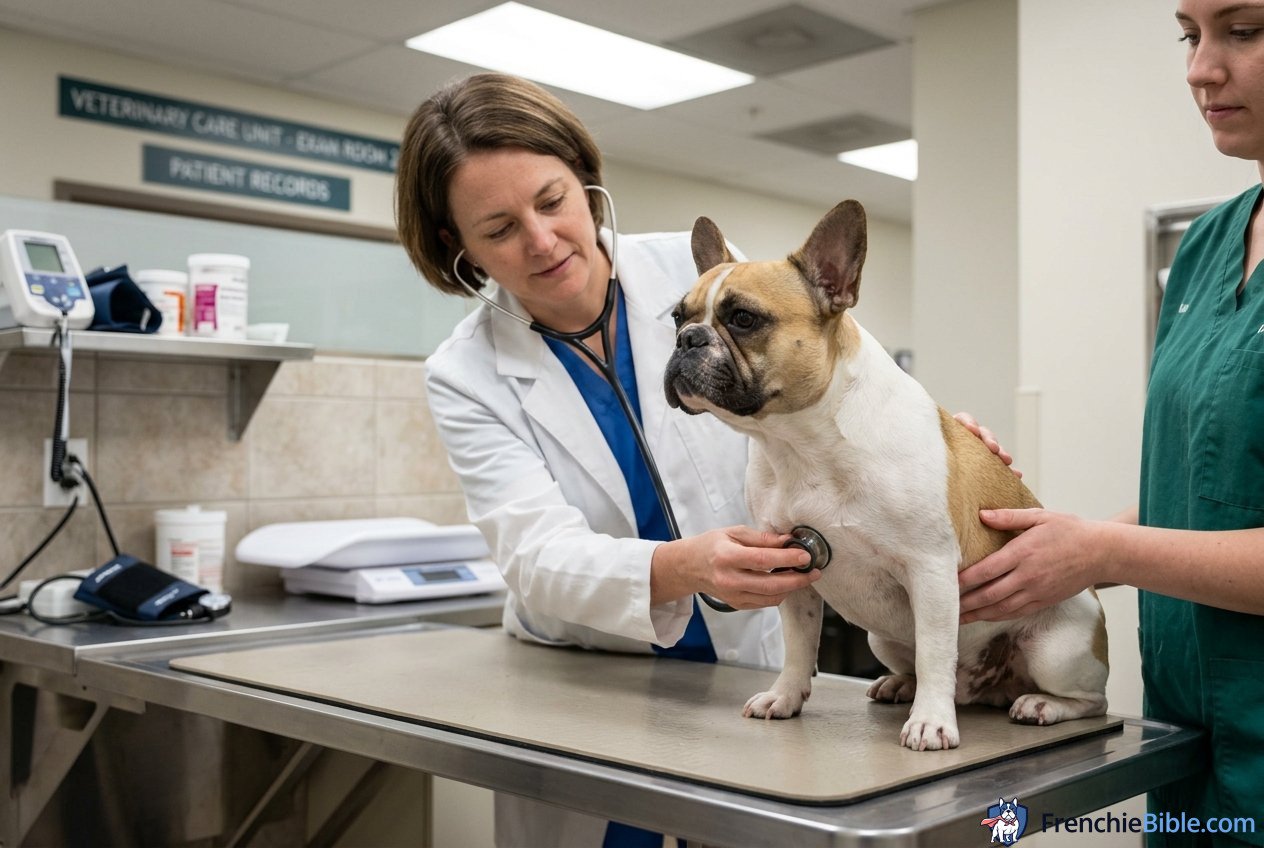
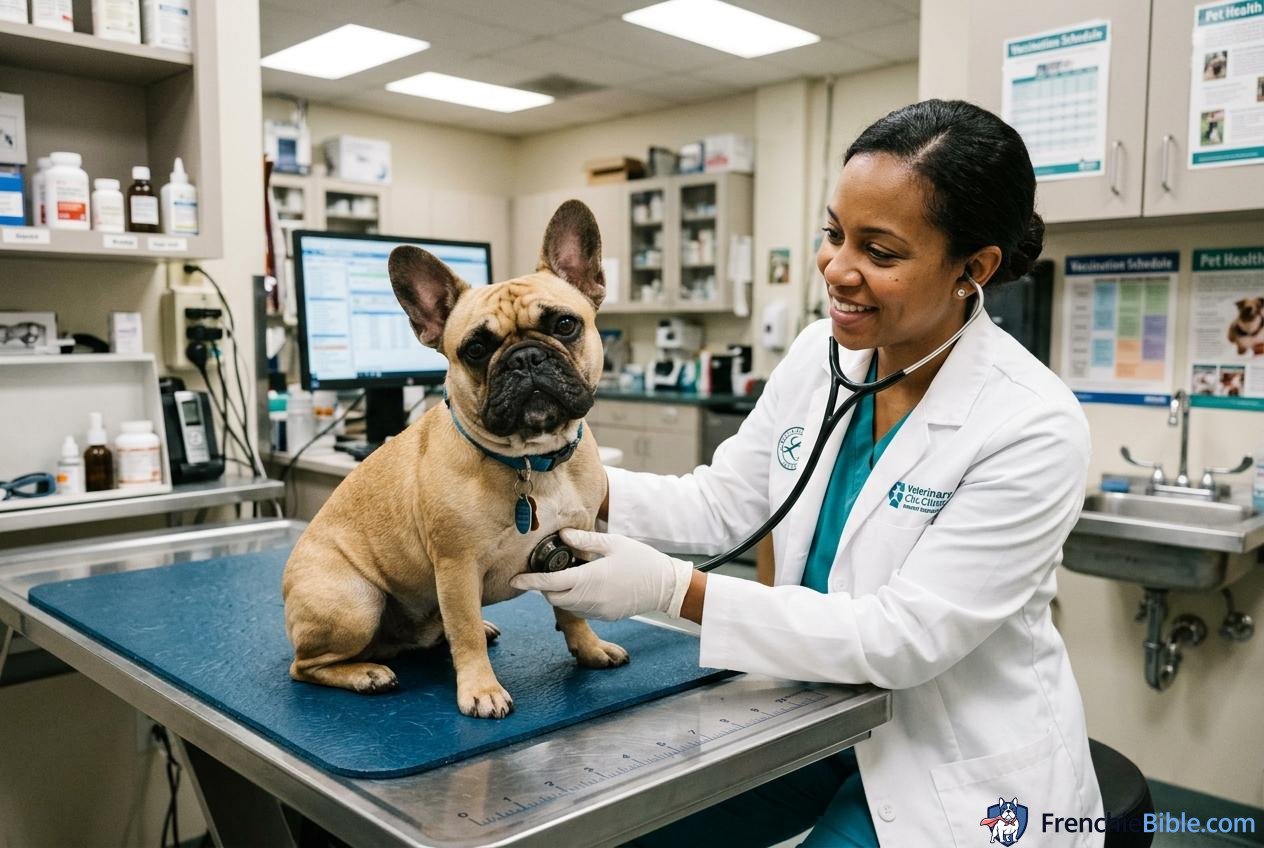
Before any incisions are made, your veterinarian will conduct a comprehensive pre-surgical evaluation. This phase is critical for mapping out the exact anatomical defects and ensuring your dog’s vital organs can handle the stress of surgery.
- Comprehensive Physical Examination: The vet will listen to the heart and lungs, assess the degree of nostril stenosis, and review the dog’s medical history, particularly focusing on episodes of heat stress, regurgitation, and exercise intolerance.
- Blood Work and Organ Function Tests: A full chemistry panel and Complete Blood Count (CBC) are mandatory. These tests evaluate liver and kidney function (crucial for metabolizing anesthesia), check for underlying infections, and assess red and white blood cell counts.
- Chest Radiographs (X-rays): X-rays are essential to evaluate the size and shape of the trachea (windpipe) to rule out hypoplastic trachea (an abnormally narrow windpipe), a condition that complicates BOAS. X-rays also screen for signs of aspiration pneumonia, an enlarged heart, and assess the diaphragm.
- Endoscopic Airway Evaluation: The definitive diagnosis of the soft palate length and the presence of everted laryngeal saccules can only be made while the dog is under light sedation or anesthesia. This is often done immediately prior to the surgical correction.
- Gastrointestinal Evaluation: Because many BOAS dogs suffer from secondary gastrointestinal issues (like hiatal hernias or esophageal inflammation due to chronic negative pressure), your vet may recommend pre-surgical medication with antacids and prokinetics to reduce the risk of regurgitation and aspiration during anesthesia.
Anesthesia Risks for French Bulldogs
Anesthesia is inherently riskier for French Bulldogs than for breeds with normal facial anatomy. The very structures that necessitate BOAS surgery—the elongated soft palate, narrowed airway, and excess tissue—make intubation (inserting a breathing tube) more difficult and extubation (removing the tube as the dog wakes up) extremely hazardous.
To mitigate these risks, the surgical team must utilize a specialized brachycephalic anesthesia protocol:
– Pre-oxygenation: Administering 100% oxygen via a face mask for several minutes before inducing anesthesia to build up oxygen reserves in the blood.
– Rapid Induction and Intubation: The dog must be put under and intubated very quickly to secure the airway before the muscles relax and the excess tissue completely blocks the throat.
– Close Monitoring: Continuous monitoring of heart rate, blood pressure, oxygen saturation (pulse oximetry), and end-tidal carbon dioxide levels throughout the procedure.
– Delayed Extubation: Unlike other breeds, French Bulldogs must be kept intubated until they are almost fully awake, swallowing, and actively fighting the tube. Removing the tube too early can lead to the relaxed airway tissues collapsing, causing immediate suffocation.
Choosing An Experienced Breedererinary hospital equipped with advanced monitoring equipment and staffed by a team experienced in brachycephalic anesthesia is perhaps the most important decision you will make in this process.
The BOAS Surgery Procedure: Step by Step
Understanding what happens while your dog is in the operating room can alleviate much of the anxiety surrounding the procedure. A typical BOAS surgery takes between 45 minutes to 1.5 hours, depending on the severity of the abnormalities and the specific techniques used.
Inside the Operating Room
- Induction and Intubation: As described above, the dog is rapidly anesthetized and a specialized endotracheal tube is inserted to secure the airway and deliver oxygen and anesthetic gas.
- Positioning: The dog is positioned on their back or sternum, and the mouth is held open using a specialized gag to provide the surgeon with a clear view of the throat.
- Assessment: The surgeon uses a laryngoscope to thoroughly evaluate the soft palate, tonsils, laryngeal saccules, and the larynx itself. This real-time assessment dictates the exact course of action.
- Nares Enlargement (Alarplasty): Often performed first, the surgeon removes the wedge of tissue from the nostrils and places precise sutures to hold the newly widened airway open. These sutures are usually absorbable and do not require removal.
- Soft Palate Resection (Staphylectomy): The surgeon grasps the elongated soft palate, stretches it gently, and determines the correct anatomical landmark for resection (usually where the palate just touches the tip of the epiglottis). The excess tissue is then excised.
- Sacculectomy: If the laryngeal saccules are everted, they are carefully snipped away.
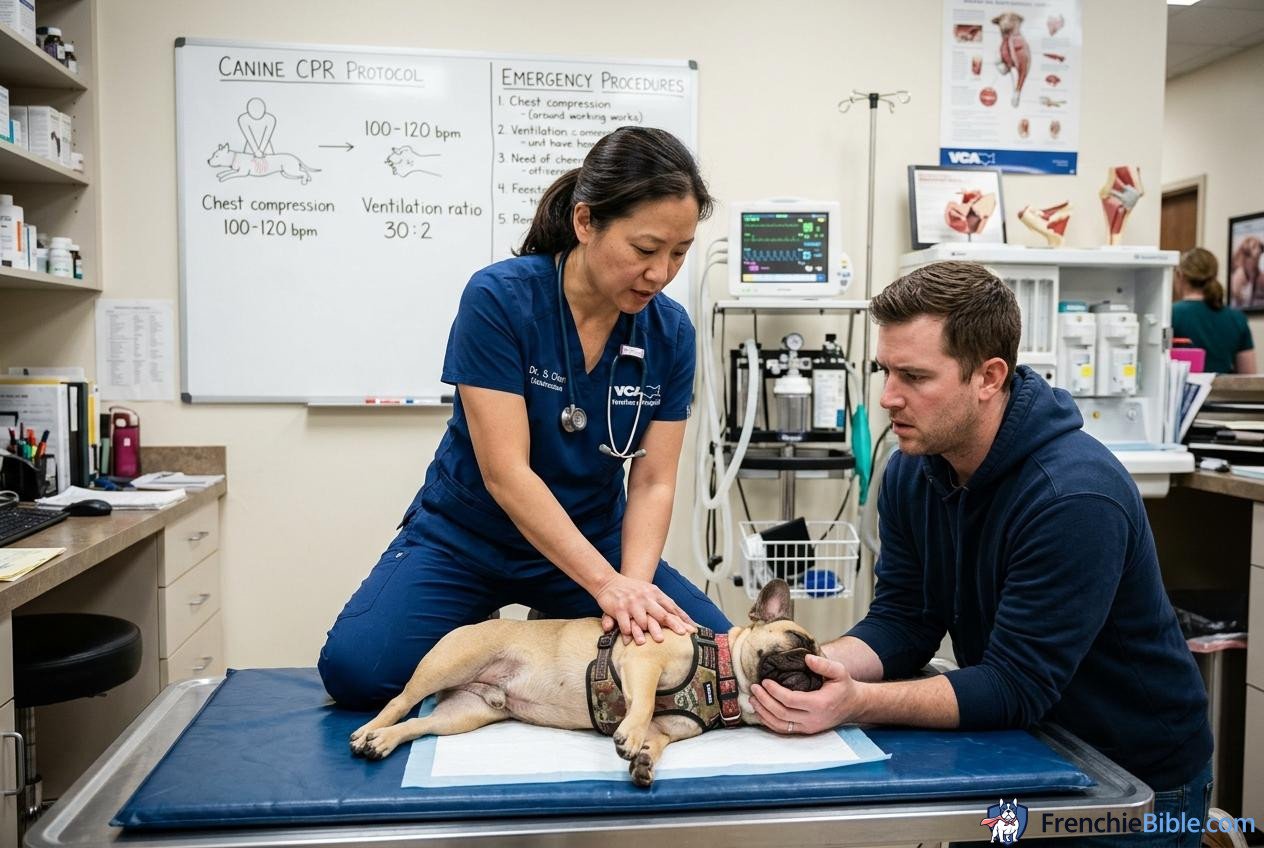
- Recovery: The most critical phase. The dog is moved to a quiet, closely monitored recovery area. They are kept on intravenous fluids and pain medication. The breathing tube remains in place as long as the dog tolerates it. Once extubated, the dog is watched intently for signs of airway swelling or distress.
Innovative Surgical Techniques: Laser vs. Traditional Scalpel
Veterinary surgery has advanced significantly, offering different modalities for performing BOAS corrections.
- Traditional Scalpel and Sutures: The oldest method involves cutting the tissue with a scalpel and using sutures to close the mucosal edges of the soft palate to control bleeding. While effective, it can result in more post-operative swelling and bleeding compared to newer methods.
- CO2 or Diode Laser: Laser surgery is highly favored by many specialists. The laser cuts tissue by vaporizing the water within the cells while simultaneously sealing small blood vessels and nerve endings. This drastically reduces bleeding, minimizes post-operative pain, and significantly decreases the risk of severe swelling that can compromise the airway during recovery.
- Bipolar Tissue Sealing Devices (e.g., LigaSure): These advanced devices use a combination of pressure and energy to fuse the collagen and elastin in the tissue, cutting and sealing it in one fluid motion. This method is incredibly fast, leaves no foreign material (like sutures) in the airway, and minimizes thermal damage to surrounding healthy tissue.
Your surgeon will discuss the best technique based on their expertise and the specific needs of your French Bulldog.
The Cost of BOAS Surgery for French Bulldogs
One of the most pressing concerns for owners is the financial investment required for BOAS surgery. Because it is a specialized procedure demanding high-level anesthesia protocols and close post-operative monitoring, the costs can be substantial.
Breakdown of Surgical Costs
In the United States, the total cost for comprehensive BOAS surgery (including nares enlargement, soft palate resection, and saccule excision) typically ranges from $2,500 to $6,500. This wide range depends heavily on several factors:
– Geographic Location: Clinics in major metropolitan areas with a higher cost of living will generally charge more than rural clinics.
– Specialist vs. General Practitioner: experienced surgeons (Diplomates of the American College of Veterinary Surgeons – ACVS) have extensive advanced training and operate in state-of-the-art facilities. Their fees will be higher than a general practice veterinarian, but the expertise and reduced complication rates often justify the investment.
– Surgical Modality: The use of advanced equipment like CO2 lasers or LigaSure devices may carry an additional equipment fee.
A typical estimate might break down as follows (approximate figures):
– Pre-anesthetic blood work and X-rays: $300 – $600
– Intravenous catheter, fluids, and anesthesia monitoring: $400 – $800
– The surgical procedures (Palate, Nares, Saccules): $1,200 – $3,000
– Hospitalization and intensive care monitoring (1-2 days): $500 – $1,500
– Take-home medications (pain relief, antibiotics, gastroprotectants): $100 – $300
Hidden Costs: Diagnostics, Meds, and Hospitalization
When budgeting for BOAS surgery, owners must account for the “hidden” or variable costs. If your dog suffers a complication during recovery, such as severe airway swelling requiring an emergency tracheostomy or an extended stay in an oxygen cage, the hospitalization costs can skyrocket rapidly, adding $1,000 to $3,000 to the final bill. Additionally, dogs with severe gastrointestinal complications secondary to BOAS may require ongoing medications for months after the surgery.
Pet Insurance and BOAS Surgery
Does pet insurance cover BOAS surgery? The answer is: It depends, but often yes, with crucial caveats.
Most comprehensive pet insurance plans will cover BOAS surgery provided it is not considered a pre-existing condition. Because BOAS is an anatomical, genetic issue, the timeline of enrollment is vital.
– Early Enrollment: If you insured your French Bulldog as a puppy before any clinical signs of respiratory distress were noted in their medical record, the surgery will likely be covered (subject to deductibles and copays).
– Pre-Existing Conditions: If you enroll your dog after An Experienced Breedererinarian has noted “snoring,” “stenotic nares,” or “suspected BOAS” in their chart, the insurance company will almost certainly deny the claim as a pre-existing condition.
– Breed-Specific Exclusions: A few insurance providers have breed-specific exclusions or waiting periods for hereditary conditions like BOAS. Always read the fine print of your policy carefully.
Risks and Potential Complications
While BOAS surgery is routinely performed and generally has a high success rate, it is a major surgery involving the airway of a high-risk patient. Owners must be fully informed of the potential complications.
Short-Term Post-Operative Risks
The first 24 to 48 hours post-surgery are the most critical.
1. Airway Swelling and Edema: The most immediate and life-threatening risk. The surgical trauma to the soft palate and throat can cause the tissues to swell. In severe cases, this swelling can completely block the newly widened airway. If this occurs, the veterinary team must act quickly, administering anti-inflammatory steroids, placing the dog in an oxygen cage, or, in extreme scenarios, performing a temporary tracheostomy (creating a breathing hole directly into the windpipe through the neck) until the swelling subsides.
2. Aspiration Pneumonia: French Bulldogs often have concurrent gastrointestinal issues and a heightened gag reflex. If they vomit or regurgitate while recovering from anesthesia, they can inhale stomach contents into their lungs, leading to severe, sometimes fatal, bacterial pneumonia.
3. Bleeding: While less common with laser or tissue-sealing techniques, post-operative bleeding from the soft palate or nares can occur. Minor bleeding from the nose is common, but significant bleeding requires veterinary intervention.
4. Dehiscence: The breakdown of the surgical incisions, particularly on the nares, which may require a second procedure to repair.
Long-Term Risks and Recurrence
BOAS surgery is a structural correction, but it is not always a permanent “cure.”
1. Continued Deterioration: In older dogs with severe, long-standing BOAS, the cartilage of the larynx may have already begun to weaken. Even after the soft palate and nares are corrected, the dog may eventually develop laryngeal collapse, a progressive and debilitating condition that may require permanent tracheostomy.
2. Incomplete Resection: If the surgeon was too conservative and left too much soft palate tissue, the clinical signs of snoring and obstruction may persist, requiring a revision surgery.
3. Over-Resection: As mentioned earlier, removing too much palate tissue can lead to chronic nasal regurgitation and recurrent respiratory infections.
4. Weight Gain: Obesity drastically exacerbates airway obstruction. If a Frenchie gains significant weight post-surgery, the fat deposits around the neck and airway will essentially negate the benefits of the surgery, bringing the BOAS symptoms back in full force.
Post-Operative Care: The Road to Recovery
The success of BOAS surgery depends just as heavily on diligent post-operative nursing care at home as it does on the surgeon’s skill in the operating room. When your Frenchie is discharged, you will be their primary caregiver.
The First 24-48 Hours
When you bring your dog home, they will likely be groggy, have a mild cough, and experience some bloody discharge from the nose.
– Strict Rest and Confinement: Your dog must be kept extremely calm and quiet. Create a comfortable, cool sanctuary in a crate or a small, confined room. Absolutely no running, jumping, playing, or excitement. Excitement increases heart rate and respiratory effort, which can trigger catastrophic airway swelling.
– Cool Environment: Keep the home cool and well-ventilated. Have a fan circulating air nearby, but not blowing directly in the dog’s face. Overheating is incredibly dangerous during the healing phase.
– Monitor Breathing: Watch their chest rise and fall. Listen to the sounds they are making. Some congestion and mild snoring are normal due to post-operative swelling, but if you notice the dog stretching their neck to breathe, turning blue, or gasping, treat it as an immediate medical emergency.
– Harness Only: Never use a neck collar on a French Bulldog, especially after BOAS surgery. Any pressure on the trachea can cause collapse. Use a well-fitting, Y-shaped chest harness for mandatory, short potty breaks.
Managing Pain and Inflammation
Your veterinarian will prescribe a multimodal approach to pain management and inflammation control.
– Anti-inflammatories: Non-Steroidal Anti-Inflammatory Drugs (NSAIDs) or, in some cases, short courses of corticosteroids are crucial to bring down swelling in the throat and reduce pain.
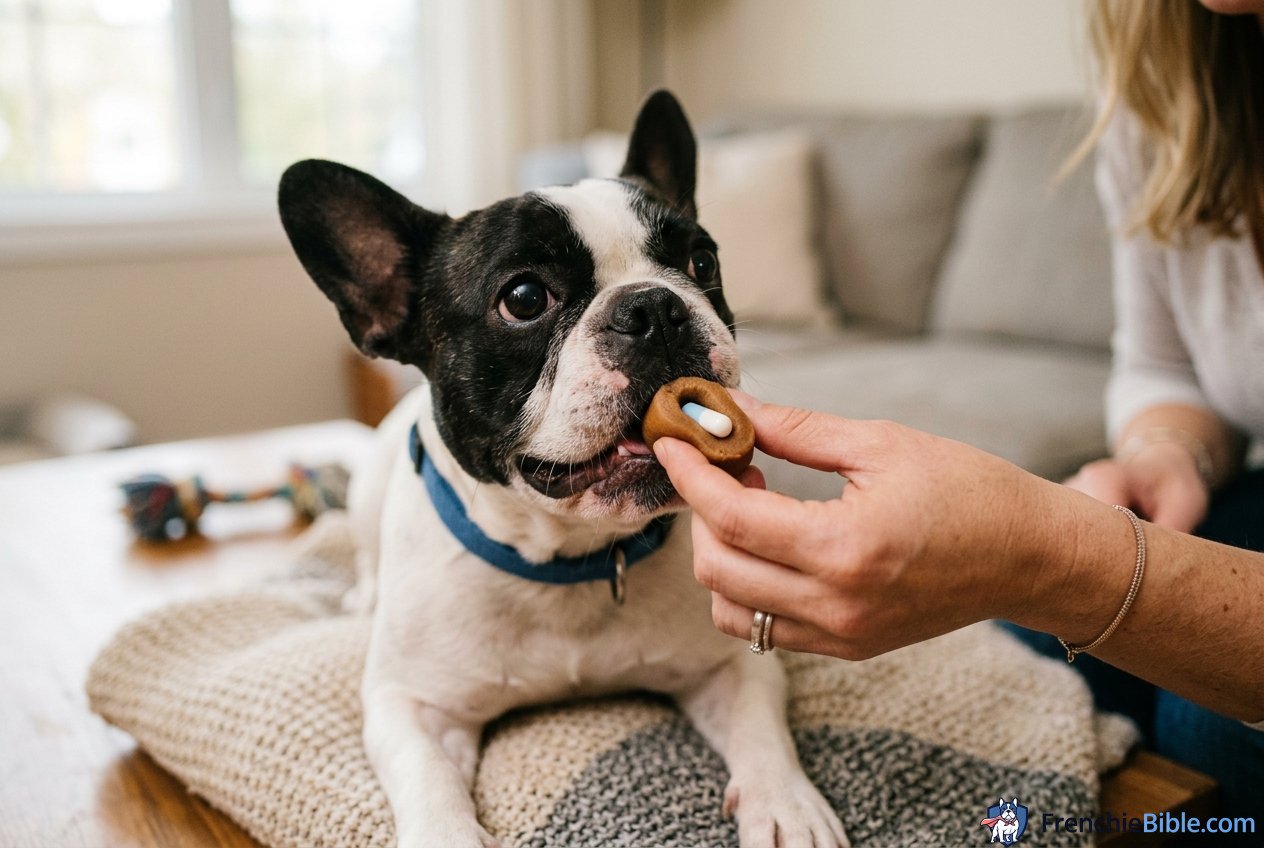
– Pain Relievers: Analgesics like your veterinarian may recommend a pain or anti-seizure medication (never use without veterinary guidance) or Buprenorphine may be prescribed to keep the dog comfortable and sedate them slightly, ensuring they rest.
– Gastroprotectants: Medications like Omeprazole or Maropitant (Cerenia) are frequently given to settle the stomach, reduce acid production, and prevent nausea and regurgitation, significantly lowering the risk of aspiration pneumonia.
Crucial Note: Administer all medications exactly as prescribed. Do not stop giving pain medication early just because the dog “looks fine.” Pain increases stress and respiratory rate.
Dietary Adjustments Post-Surgery
The throat will be sore, and swallowing may feel strange to the dog for the first week or two.
– Soft Diet: For the first 10-14 days, feed only a soft diet. You can offer canned food blended into a slurry or soak their regular kibble in warm water or low-sodium chicken broth until it is completely mushy.
– Small, Frequent Meals: Feed smaller portions 3-4 times a day rather than two large meals. This prevents the dog from gulping food, which can irritate the surgical site and lead to regurgitation.
– Elevated Bowls: Feed your dog from bowls raised to chest height. This allows gravity to help move the food down the esophagus, reducing strain on the airway and stomach sphincter.
– Hand Feeding: Some owners find success hand-feeding small meatballs of soft food for the first few days to ensure the dog eats slowly and carefully.
Long-Term Lifestyle Changes
Recovery from the acute surgical phase takes about 2-4 weeks, but managing a BOAS-prone dog is a lifelong commitment.
– Weight Management: This is non-negotiable. Keep your Frenchie lean. Even an extra pound or two of fat on a French Bulldog significantly compresses their airway. Work with your vet to determine the ideal body condition score.
– Heat Avoidance: Never walk your Frenchie during the heat of the day. Stick to early mornings or late evenings during summer months. Always provide access to shade, air conditioning, and cool water.
– Moderate Exercise: While their exercise tolerance should improve post-surgery, they are still brachycephalic dogs. Avoid prolonged, strenuous exercise like running for miles or vigorous fetch sessions, especially in warm weather.
– Stress Reduction: Minimize highly stressful or overly exciting situations that cause the dog to pant excessively.
Success Rates and Quality of Life After BOAS Surgery
For the vast majority of French Bulldogs, BOAS surgery is a life-altering intervention that drastically improves their quality of life.
How Quickly Will Breathing Improve?
The timeline for improvement varies. You will likely notice that the nostrils are visibly wider immediately. However, due to post-operative swelling in the throat, the dog’s breathing may actually sound worse or more congested for the first few days.
As the swelling subsides over the first 1-2 weeks, you will begin to notice the true benefits. The chronic, vibrating snore should diminish significantly (though it may not disappear entirely). The dog should sleep more restfully without waking up gasping.
By weeks 4-6, once fully healed, the improvement in exercise tolerance and heat management is often profound. Dogs that previously could only walk to the end of the block may now enjoy 20-30 minute walks. Their energy levels often increase because they are finally receiving adequate oxygen and are no longer expending massive amounts of energy just to breathe.
Success Stories from Frenchie Owners
Veterinary clinics are filled with testaments to the efficacy of this surgery. Owners frequently report:
- “He’s like a brand new puppy. He actually wants to play with his toys again instead of just sleeping all day.”
- “We used to have to blast the AC in the car and he would still pant uncontrollably. Now, he rides comfortably and doesn’t overheat nearly as fast.”
- “The regurgitation completely stopped. We thought he had a terrible food allergy, but it was just his breathing causing him to throw up his meals.”
While BOAS surgery cannot give a French Bulldog the airway of a Labrador Retriever, it mitigates the worst of the anatomical defects, allowing them to live happier, more comfortable, and longer lives.
Breeder’s Perspective: Preventing BOAS in Future Generations
As a specialist and breeder, it is imperative to address the root cause of this epidemic. Surgery treats the symptom; ethical breeding treats the disease.
Ethical Breeding Practices
The prevalence of BOAS is a direct result of human selection for extreme physical traits—specifically, a completely flat face and virtually no muzzle. To eradicate BOAS, breeders must prioritize health, respiratory function, and structural soundness over exaggerated aesthetics.
– Selecting for Muzzle Length: Breeding away from the ultra-flat face is essential. Selecting dogs with a defined, albeit short, muzzle allows more room for the nasal passages and soft tissues.
– Evaluating Nares: Breeders should only pair dogs that naturally possess wide, open nostrils. Dogs with severely stenotic nares should be removed from the breeding pool.
– Avoiding “Over-Typed” Dogs: The trend toward incredibly short, compact, and heavy-set Frenchies exacerbates breathing issues. Breeding for a more moderate, athletic build reduces the oxygen demand on the body.
The Importance of RFG (Respiratory Function Grading)
Progressive kennel clubs and breed health organizations have introduced the Respiratory Function Grading (RFG) Scheme. This non-invasive assessment evaluates a dog’s breathing before and after a standardized exercise test. The dog is graded from Grade 0 (clinically unaffected) to Grade 3 (severe BOAS).
Ethical breeders utilize the RFG scheme to screen all potential breeding stock. Only dogs graded 0 or 1 should ideally be bred. By conscientiously selecting dogs with functional airways, we can slowly shift the genetics of the French Bulldog population, ensuring that future generations can breathe freely without the need for surgical intervention.
Frequently Asked Questions (FAQs)
At what age should a French Bulldog have BOAS surgery?
The ideal timing for BOAS surgery is a topic of ongoing veterinary discussion, but the consensus is shifting toward early intervention. Many specialists recommend evaluating puppies between 6 to 12 months of age. Performing the surgery early, before the chronic negative airway pressure causes secondary, irreversible changes (like laryngeal saccule eversion or laryngeal collapse), yields the best long-term prognosis. If a dog is demonstrating clinical signs of distress at any age, surgery should be considered promptly.
Can BOAS surgery be done at the same time as spaying or neutering?
Yes, and it is highly recommended. Combining BOAS surgery (especially alarplasty and staphylectomy) with a spay or neuter procedure is incredibly common and beneficial. It limits the dog to a single anesthetic event, reducing the overall risk and the financial burden on the owner. However, the surgical team must be prepared for the extended anesthesia time and manage the recovery protocols for both procedures simultaneously.
Will my French Bulldog’s snoring completely stop after surgery?
Not necessarily. While BOAS surgery drastically reduces the severity of the obstruction, it does not create a “normal” airway. Your French Bulldog will still be a brachycephalic dog with a shortened skull. Most owners report a significant reduction in the volume and frequency of snoring, but a quiet, rhythmic snore or occasional snort is likely to persist. The goal is functional improvement—allowing the dog to oxygenate efficiently—not absolute silence.
Is BOAS surgery covered by pet insurance?
As discussed earlier, it is typically covered if you enrolled your dog in a comprehensive plan before any clinical signs or veterinary diagnoses of breathing issues were documented in their medical history. If it is deemed a pre-existing condition, it will not be covered. Always check your specific policy details.
What happens if I don’t get BOAS surgery for my Frenchie?
If a French Bulldog with clinically significant BOAS does not receive surgical intervention, the condition will inevitably worsen. The chronic struggle to breathe causes the airway tissues to thicken and stretch further, creating a vicious cycle of increasing obstruction. The dog will suffer from chronic oxygen deprivation, severe exercise intolerance, high risk of life-threatening heatstroke, chronic gastrointestinal issues, and eventual laryngeal collapse. Ultimately, untreated severe BOAS severely limits the dog’s quality of life and significantly shortens their lifespan.
Conclusion: A Breath of Fresh Air
Brachycephalic Obstructive Airway Syndrome is a daunting reality for many French Bulldogs and their dedicated owners. Recognizing the signs early, understanding the surgical interventions available, and committing to meticulous post-operative care are the cornerstones of managing this complex condition.
BOAS surgery—comprising soft palate resection, nares enlargement, and saccule excision—is not merely an elective enhancement; for many Frenchies, it is a critical necessity that bridges the gap between a life of constant struggle and a life of comfort and vitality. By empowering yourself with the knowledge in this guide, partnering with a skilled veterinary surgeon, and maintaining strict weight and environmental management, you can provide your French Bulldog with the greatest gift possible: the ability to breathe freely. As we look to the future, it is our collective responsibility as owners, veterinarians, and breeders to advocate for ethical breeding practices, ensuring that the charming spirit of the French Bulldog is no longer suffocated by the very physical traits we have come to adore.
Disclaimer: We are not veterinarians and do not hold veterinary medical licenses. The information provided in this article is based on years of breeding and daily care experience and is for educational purposes only. It should not replace professional veterinary advice. Always consult with a licensed veterinarian if you have concerns about your French Bulldog’s health or before starting any new treatment.
Disclaimer: I am a French Bulldog breeding expert with over a decade of hands-on experience with this breed. I am not a veterinarian. The information in this article is for educational purposes only. Always consult your veterinarian regarding your dog’s specific health needs and care.