
Introduction to French Bulldog Respiratory Health
as a French Bulldog expert and breeder, an experienced breeder, and a dedicated advocate for brachycephalic canine health, I frequently encounter owners who are deeply concerned about their dog’s breathing. French Bulldogs, with their unmistakable bat ears, compact muscular builds, and incredibly affectionate personalities, have skyrocketed to become one of the most beloved dog breeds worldwide. However, their defining physical characteristic—their adorably flat, “smushed” face—is also the source of their most significant, pervasive, and potentially life-threatening health vulnerability: severe respiratory compromise.
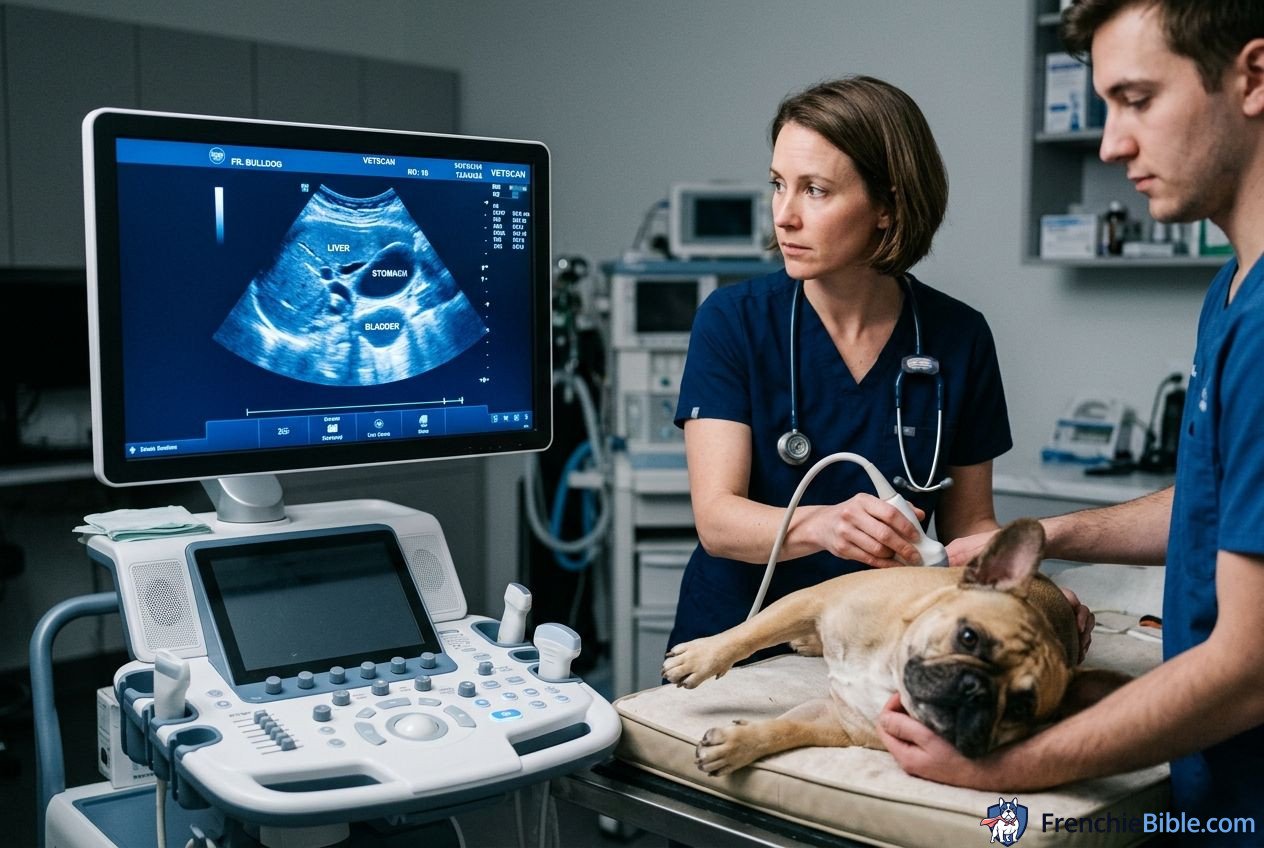
Unlike dogs with longer snouts (dolichocephalic or mesaticephalic breeds), French Bulldogs are genetically and anatomically predisposed to a complex, multi-layered condition known as Brachycephalic Obstructive Airway Syndrome (BOAS). Because their airway anatomy is fundamentally compressed, they are inherently forced to work much harder simply to draw a single breath. What many new owners mistake as “cute” breed quirks—such as loud snoring, frequent snorting, and heavy panting after minimal exertion—are often the early, chronic clinical signs of progressive airway obstruction and underlying respiratory distress.
Related Reading: Training & Behavior | Grooming & Care | French Bulldog Colors
In my years of breeding practice, the single most critical, potentially life-saving skill I teach every single Frenchie owner is how to accurately assess their dog’s respiratory status at home. Understanding when your dog’s breathing transitions from their baseline “normal” to medically compromised is an absolute necessity.
In this exhaustive, highly detailed guide, we will explore the intricate anatomy of the French Bulldog’s airway, break down the exact signs of respiratory distress, and provide a comprehensive, step-by-step masterclass on how to correctly measure and interpret your dog’s Resting Respiratory Rate (RRR)—the absolute gold standard metric for monitoring canine respiratory health at home. Whether you are a prospective owner, a first-time Frenchie parent, or a seasoned enthusiast managing a dog with diagnosed BOAS, this guide is designed to equip you with the advanced, veterinary-approved knowledge needed to safeguard your beloved pet’s life.
Understanding BOAS: The Number One Health Threat to French Bulldogs
To accurately assess your French Bulldog’s breathing, you must first possess a thorough understanding of the specific anatomical abnormalities that make them so incredibly vulnerable. The breed’s facial structure is the direct result of generations of selective breeding aimed at achieving the characteristic brachycephalic (short-headed) appearance. While the bones of their skull and upper jaw have been drastically shortened, the soft tissues inside their mouth, throat, and airway have not decreased proportionately.
What is Brachycephalic Obstructive Airway Syndrome (BOAS)?
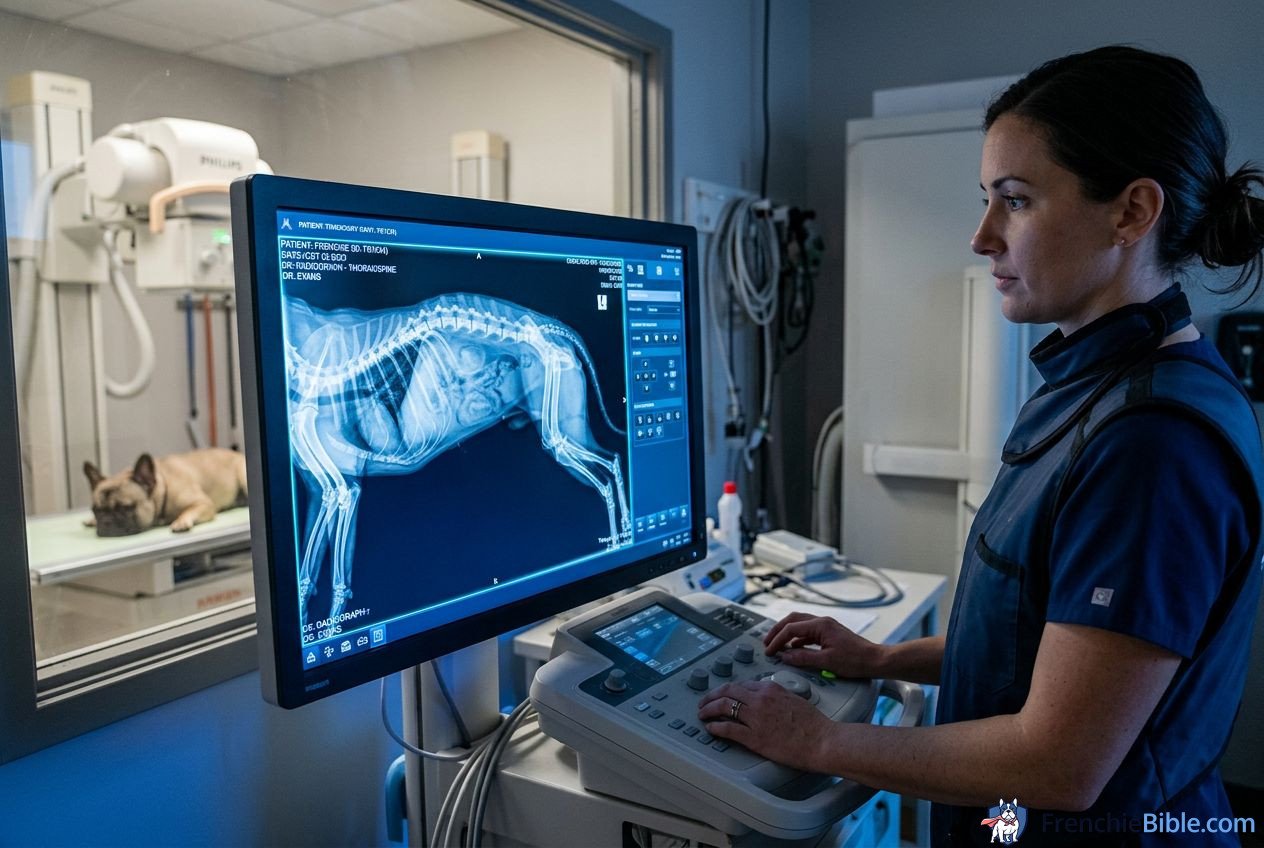
BOAS is not a single disease, but rather a complex, progressive syndrome characterized by a specific combination of severe anatomical airway obstructions. Because the soft tissues are essentially “crammed” into a dramatically reduced bony space, they bunch up, overlap, and physically block the free flow of air from the nose and mouth down into the lungs.
This chronic, physical obstruction forces the dog to generate significantly higher negative pressure in their chest just to pull air past the blockages. Over time, this intense, constant negative pressure causes secondary, progressive damage to the deeper airway structures, making the breathing problems progressively worse as the dog ages. This is why BOAS is a lifelong, progressive condition that requires constant, vigilant management.
The Core Anatomical Components of a Frenchie’s Airway
A French Bulldog suffering from BOAS typically exhibits one or a combination of the following primary anatomical defects:
- Stenotic Nares (Pinched Nostrils): This is the most visible and easily recognizable component. Instead of having wide, open, comma-shaped nostrils that allow massive airflow, many Frenchies have severely narrowed, pinched, or completely slit-like nostrils. When the dog attempts to inhale, these tiny openings act like a collapsed straw, severely restricting the volume of air that can enter the nasal cavity and forcing the dog to exert immense effort.
- Elongated Soft Palate: This is arguably the most common internal defect. The soft palate is the fleshy flap of tissue located at the very back of the roof of the mouth, separating the nasal passage from the oral cavity. In brachycephalic breeds, this tissue is pathologically too long and too thick. When the dog inhales, the elongated palate gets forcefully sucked backward and downward, physically flapping into and obstructing the opening of the windpipe (the glottis). This is the primary anatomical cause of the loud, characteristic “snorting” and “snoring” sounds Frenchies make.
- Hypoplastic Trachea: The trachea (windpipe) is the rigid cartilaginous tube that carries air from the throat down directly into the lungs. Many French Bulldogs are genetically born with a trachea that is abnormally narrow in diameter relative to their body size. This is akin to trying to breathe exclusively through a thin cocktail straw instead of a wide garden hose.
- Everted Laryngeal Saccules: These are small, fleshy pouches located just inside the larynx (voice box). Due to the chronic, immense negative pressure generated in the airway by the dog struggling to breathe past the pinched nostrils and the elongated palate, these saccules eventually get forcefully sucked outward (everted). Once everted, they swell massively and physically block the lower airway, significantly compounding the existing respiratory distress.
- Enlarged Tonsils: Chronic airway inflammation and the continuous, forceful vibrations of the elongated palate frequently cause the dog’s tonsils to become pathologically enlarged and chronically inflamed, adding yet another physical roadblock to the crowded airway.
Early Warning Signs: How to Tell if Your Frenchie is Having Trouble Breathing
One of the most dangerous, pervasive myths surrounding French Bulldogs is the belief that loud, laborious breathing is “normal for the breed.” While it is true that a Frenchie will never breathe as silently and effortlessly as a Greyhound or a Labrador, heavy respiratory effort should never, under any circumstances, be accepted as harmless. Recognizing the subtle, early clinical signs of respiratory distress is critical for early medical intervention.

Normal Breathing vs. Abnormal Breathing
Normal Frenchie Breathing: At rest, in a cool, climate-controlled environment, a healthy French Bulldog should breathe relatively quietly. You may hear soft, rhythmic, quiet snoring if they are in a deep sleep, but their chest should rise and fall smoothly, with very little visible, muscular effort from their abdomen. They should breathe primarily through their nose when resting comfortably.
Abnormal Frenchie Breathing: Abnormal breathing is characterized by exaggerated physical effort, loud, harsh respiratory noises at rest, and the inability to recover quickly from mild exercise or slight temperature elevations.
Mild to Moderate Signs of Respiratory Effort (Requires Vigilant Monitoring)
If you observe these signs, your dog is actively struggling to compensate for their airway obstruction. You need to immediately stop any physical activity, move them to a cool, highly air-conditioned environment, and monitor them closely.
- Excessive, Disproportionate Panting: While all dogs pant to cool down, a Frenchie exhibiting respiratory distress will pant excessively after very minimal exertion (like a short 5-minute walk) or in mildly warm temperatures (above 70°F/21°C). Their panting may sound extraordinarily loud, harsh, or raspy.
- Loud Stridor and Stertor: “Stertor” refers to the low-pitched, snorting, snoring sound originating from the severely elongated soft palate flapping in the throat. “Stridor” is a much higher-pitched, wheezing, or squeaking sound originating from a severely narrowed larynx or trachea. Hearing these loudly while the dog is simply resting awake is a strong indicator of significant airway disease.
- Prolonged Recovery Time: A healthy dog will stop panting and return to a normal breathing rate within 10 to 15 minutes after stopping exercise. A Frenchie with BOAS may continue to aggressively pant and heave for 30, 45, or even 60 minutes after mild exertion, unable to quickly “catch their breath.”
- Exercise Intolerance: The dog actively refuses to walk, frequently sits down or drops to the ground in the middle of a short walk, or demonstrates a profound reluctance to play, not because they are lazy, but because they physically cannot draw enough oxygen to fuel their muscles.
- Sleep Apnea and Restless Sleep: The dog frequently wakes up abruptly from a deep sleep, choking, snorting, or gasping for air. They may prefer to sleep sitting upright or with their chin propped up high on a toy or pillow to physically force their airway open.
Severe Signs of Respiratory Distress (An Absolute Veterinary Emergency!)
If you observe any of the following critical clinical signs, your French Bulldog is actively decompensating. They are failing to move enough oxygen into their blood, and they are in imminent, life-threatening danger. Do not wait. Do not attempt home remedies. Proceed immediately to the nearest veterinary emergency clinic.
- Cyanosis (Blue, Purple, or Grey Gums and Tongue): This is the ultimate, terrifying red flag. A healthy dog’s gums must be a bright, healthy, bubblegum pink. If the gums, tongue, or the inside of the lips turn a dark, dusky bluish-purple, or pale grey, it means the dog is profoundly hypoxic (starved of oxygen) and is rapidly suffocating.
- Extreme Orthopnea (The “Bulldog Stance”): The dog will absolutely refuse to lie down. They will stand rigidly with their front legs splayed wide apart, their neck extended straight out, and their elbows pointed outward. They are using every single auxiliary muscle in their chest, abdomen, and neck to forcefully pull air into their lungs.
- Severe Abdominal Heaving: The dog is no longer just breathing with their chest; their stomach muscles are violently contracting inward with every single breath in a desperate, forceful attempt to expel and draw in air.
- Syncope (Fainting or Collapsing): The dog suddenly collapses, becomes unresponsive, or briefly loses consciousness due to an acute lack of oxygen reaching the brain.
- Frothy White or Pink Foam from the Mouth/Nose: In severe, end-stage respiratory distress, the intense negative pressure in the chest can pull fluid directly out of the blood vessels and into the lungs, causing acute, life-threatening non-cardiogenic pulmonary edema.
The Gold Standard: Resting Respiratory Rate (RRR)
While observing your dog’s physical behavior is crucial, the single most objective, medically valuable, and easily measurable vital sign an owner can track at home is the Resting Respiratory Rate (RRR), frequently also referred to as the Sleeping Respiratory Rate (SRR).

What Exactly is Resting Respiratory Rate?
The RRR is simply the total number of complete breaths (one full inhalation and one full exhalation) a dog takes per minute while they are in a state of profound, deep, unaroused sleep, completely at rest in a comfortable, temperature-controlled environment.
Why is RRR So Incredibly Crucial for French Bulldogs?
For dogs with compromised airways or underlying heart conditions, the RRR is the ultimate, objective early warning system. When a French Bulldog’s airway obstruction worsens, or if they are developing secondary issues like aspiration pneumonia, their lungs must work significantly harder to acquire the required baseline level of oxygen. Because they are struggling to take deep, efficient breaths, their body automatically compensates by taking shallower, much faster breaths.
Crucially, an elevated RRR is frequently the very first measurable, objective clinical sign of impending respiratory failure or underlying disease, often presenting days before the dog shows obvious, severe clinical symptoms like blue gums or collapse. By establishing your dog’s personal “normal” baseline RRR and tracking it consistently, you can accurately detect a subtle, dangerous increase early enough to seek life-saving veterinary intervention before a catastrophic crisis occurs.
Masterclass Step-by-Step Guide: How to Accurately Measure Your Frenchie’s RRR
Measuring the RRR is a completely non-invasive, entirely free, and incredibly simple procedure. However, the timing, the environment, and the precise method are absolutely critical to obtaining a medically accurate and useful number.
Step 1: Choosing the Perfect Time and Environment
This is the most common area where owners make mistakes. An accurate RRR cannot be taken when the dog is awake, resting on the couch watching you, dreaming actively, or cooling down after a walk.
- The Dog Must Be in Deep Sleep: The ideal time is usually 2 to 3 hours after the dog has gone to bed for the night, or during a long, deep afternoon nap. The dog must be completely, profoundly asleep and totally relaxed.
- No Active Dreaming: If the dog is whimpering, twitching their paws, moving their eyes rapidly under closed lids (REM sleep), or softly barking in their sleep, do not count. Active dreaming temporarily and artificially raises the respiratory rate. Wait until they return to a still, deep sleep phase.
- Optimal Environmental Conditions: The room must be cool (optimally under 72°F/22°C), heavily climate-controlled, quiet, and completely free from sudden noises or distractions that might partially wake the dog.
Step 2: Preparing to Count
- Do Not Touch the Dog: You must perform the entire count purely by visual observation. Touching the dog, petting them, or placing a hand on their chest will almost certainly cause them to partially rouse, altering their breathing pattern and instantly invalidating the count.
- Position Yourself Correctly: Sit or stand quietly near the dog where you have a clear, unobstructed, well-lit view of their midsection (the chest and abdomen).
- Prepare Your Timer: Have your smartphone, smartwatch, or a stopwatch readily available and set to the timer function.
Step 3: The Precise Counting Method
- Identify a Complete Breath: Watch the dog’s chest and stomach area very closely. As they inhale, the chest and abdomen will visibly expand and rise upward/outward. As they exhale, the chest and abdomen will fall and deflate inward. One full rise AND one full fall equals exactly ONE complete breath.
- The Counting Technique: Do not count “in, out” as 1, 2. Count “rise and fall” as 1. “Rise and fall” as 2.
Step 4: Calculating the Final Rate
There are several acceptable methods to calculate the breaths per minute (bpm). Choose the one you find most consistent.
- The 60-Second Method (Most Accurate): Set your timer for a full 60 seconds. Count every single complete breath until the timer goes off. The final number is the exact RRR. This is highly recommended for dogs with irregular breathing patterns.
- The 30-Second Method (Standard): Set your timer for 30 seconds. Count the complete breaths. Multiply the final number by 2 to get the full breaths per minute. (e.g., 12 breaths in 30 seconds x 2 = 24 bpm).
- The 15-Second Method (Quick Check): Set the timer for 15 seconds. Count the complete breaths. Multiply the final number by 4. (e.g., 6 breaths in 15 seconds x 4 = 24 bpm).
Step 5: Recording and Meticulous Tracking
A single RRR measurement is useful, but the true medical value comes from meticulously tracking the trend over time.
– Establish the Baseline: When your Frenchie is perfectly healthy, completely relaxed, and showing zero signs of respiratory distress, measure their RRR once a day for 5 to 7 consecutive days. Calculate the average. This average is your dog’s unique, personal baseline “normal” RRR.
– Maintain a Log: Keep a dedicated notebook, use a note-taking app on your phone, or utilize a specialized pet health tracking app. Record the date, the exact time, the room temperature, and the calculated RRR. If the dog is ever diagnosed with a respiratory issue, heart disease, or severe allergies, this log will be incredibly invaluable to your veterinarian.
Interpreting the RRR Results: What the Numbers Actually Mean
Once you have accurately calculated the Resting Respiratory Rate, you must know exactly how to interpret the data to determine if veterinary intervention is required.
1. The Normal, Healthy Range (What to Expect)
For a healthy adult dog, including a well-managed French Bulldog at complete rest, the scientifically established normal Resting Respiratory Rate should fall strictly between 15 and 30 breaths per minute (bpm).
Crucially, many healthy Frenchies consistently rest at the lower end of this spectrum, between 15 and 24 bpm. If your dog’s personal baseline is consistently 18 bpm, a rate of 28 bpm, while technically within the “normal” broader range, is actually significantly elevated for your specific dog and warrants close attention.
2. The Elevated Rate (When to Monitor Closely)
If you calculate an RRR that is consistently between 31 and 40 breaths per minute (and you are absolutely certain the dog was not dreaming, warm, or recently active):
– This is a highly abnormal, elevated rate. It is a massive red flag indicating that the dog is working significantly harder than normal just to oxygenate their blood while doing absolutely nothing.
– Immediate Action: Re-evaluate the room temperature. Ensure the dog is completely calm. Wait 30 minutes and meticulously re-count. If the rate remains consistently above 30 bpm while the dog is in a deep sleep, you must contact your primary veterinarian for an appointment and a thorough medical evaluation within the next 24 to 48 hours. This could indicate worsening BOAS, an impending respiratory infection, allergic inflammation, or early heart disease.
3. The Danger Zone (When to Call the Vet Immediately)
If you calculate an RRR that is consistently greater than 40 breaths per minute while the dog is deeply asleep:
– This is an absolute, critical veterinary emergency. Your French Bulldog is in severe, uncompensated respiratory distress, even while resting. Their airway or lungs are severely compromised, and they are desperately fighting for adequate oxygen.
– Immediate Action: Do not wait until morning. Do not post on a Facebook group asking for advice. Wake the dog up calmly, keep them as cool and stress-free as humanly possible, and transport them immediately to the nearest 24-hour veterinary emergency hospital. Delaying treatment in this scenario frequently results in catastrophic respiratory failure and death.
Beyond RRR: Other Vital Indicators of Respiratory Health
While RRR is the absolute gold standard for home monitoring, a holistic, educated owner should always evaluate the dog’s entire clinical picture by monitoring other vital physiological indicators.
1. Gum Color and Capillary Refill Time (CRT)
The color of a dog’s mucous membranes provides a rapid, highly accurate, direct window into their blood oxygen levels and systemic cardiovascular health.
– How to Check: Gently lift your Frenchie’s upper lip (the flews) to expose the gums directly above their canine teeth.
– Normal Color: The gums should be a bright, healthy, vibrant bubblegum pink.
– Abnormal Colors:
– Blue/Purple/Grey (Cyanosis): Indicates severe, life-threatening lack of oxygen in the blood. EMERGENCY.
– Bright Brick Red/Injected: Strongly indicates severe systemic overheating, impending heat stroke, massive inflammation, or severe shock. EMERGENCY.
– Pale White/Very Light Pink: Indicates profound anemia, massive internal bleeding, or cardiovascular shock. EMERGENCY.
– Capillary Refill Time (CRT): Press your finger firmly against the pink gum to press the blood out, making the spot turn white. Release your finger and count how many seconds it takes for the pink color to fully return. A healthy, normal CRT is rapid, strictly between 1 to 2 seconds. A prolonged CRT (over 3 seconds) indicates poor, sluggish cardiovascular circulation and potentially severe shock.
2. Breathing Posture (Orthopnea)
As previously mentioned, an acutely distressed Frenchie will absolutely refuse to lie down. Lying down allows the heavy, elongated soft palate to fall backward, gravity pulling it directly over the airway opening, severely worsening the physical obstruction. If your dog insists on standing rigidly with their front legs spread wide, neck fully extended, and elbows out, they are desperately employing every auxiliary chest muscle to force air in. This is a critical state.
3. Core Body Temperature and the Massive Risk of Heat Stroke
Dogs fundamentally do not sweat effectively like humans; they rely almost entirely on the rapid exchange of air across the moist mucous membranes of their mouth and upper airway (panting) to evaporate heat and cool their core temperature. Because French Bulldogs have a severely compromised, obstructed airway, their primary physiological cooling mechanism is fundamentally broken. They cannot move air fast enough to cool down efficiently, making them staggeringly, genetically susceptible to catastrophic, fatal heat stroke, even in surprisingly mild temperatures (as low as 75°F/24°C) if humidity is high or if they are stressed or active.
– Normal Canine Temperature: 100.5°F to 102.5°F (38.1°C to 39.2°C).
– Critical Danger Zone: If a Frenchie’s temperature exceeds 104°F (40°C), they are entering severe heat stroke. At 106°F (41.1°C) and above, massive, irreversible cellular death begins, internal organs cook, and severe brain damage or death is imminent.
Triggers That Exacerbate Breathing Problems in Frenchies
Managing a French Bulldog’s respiratory health requires an intensely proactive approach to their environment and lifestyle. You must actively, relentlessly identify and avoid the specific, common triggers that dramatically worsen BOAS symptoms and precipitate acute respiratory crises.
1. Heat and High Humidity
This is the ultimate, most common killer of French Bulldogs. High environmental heat demands that the dog pant to cool down. However, the intense, rapid, forceful panting pulls the elongated soft palate and everted saccules further into the airway, causing massive friction and severe, rapid swelling of the throat tissues. This swelling creates an even tighter physical obstruction, forcing the dog to pant harder, which causes even more swelling. This creates a terrifying, rapid, vicious cycle that quickly leads to complete airway collapse and fatal heat stroke. High humidity makes panting completely ineffective, as the moisture cannot evaporate from the dog’s mouth. Frenchies must be kept rigorously in aggressively air-conditioned environments during the summer.
2. Over-Exercise and Extreme Excitement
Frenchies have massive, muscular bodies powered by a severely compromised respiratory system. They are definitively not jogging companions, hiking buddies, or beach dogs. Even intense, prolonged indoor play sessions or extreme excitement when visitors arrive can dramatically raise their oxygen demand beyond what their restricted airway can possibly deliver, triggering a severe respiratory crisis. Exercise must be strictly limited to short, slow, highly controlled, low-impact walks in the very early morning or late evening when temperatures are absolutely lowest.
3. The Epidemic of Canine Obesity
Obesity is an absolute, unmitigated disaster for a French Bulldog’s airway. Excess, heavy body fat does not just accumulate visibly on their ribs and belly; it actively infiltrates and thickens the tissues surrounding their airway, throat, and chest cavity. This massive extra internal weight physically crushes the airway further and makes the chest wall incredibly heavy, forcing the dog to expend significantly more energy simply to expand their lungs. Keeping a Frenchie remarkably lean, highly fit, and at an optimal, slim body condition score is arguably the single most critical, effective non-surgical intervention an owner can provide.
4. Severe Environmental Allergies and Irritants
Frenchies are genetically prone to severe atopy (environmental allergies). Allergic reactions cause massive, systemic inflammation of the mucous membranes, including the tissues lining the nasal passages and the upper airway. This allergic swelling significantly narrows the already tight airway, drastically worsening BOAS symptoms. Furthermore, exposure to harsh environmental irritants like dense cigarette smoke, strong household aerosol cleaners, chemical perfumes, heavy dust, or pollen can trigger acute, severe spasms in the airway and severe respiratory distress.
Long-term Management and BOAS Corrective Surgery
If your French Bulldog constantly struggles to breathe, frequently overheats, or has an elevated baseline RRR, lifestyle modifications alone are often wholly insufficient to save their life. A comprehensive veterinary intervention is absolutely required.
1. Strict Lifestyle Modifications
- The Non-Negotiable Harness Rule: Never, under any circumstances, attach a leash to a French Bulldog’s neck collar. Any pressure applied to the delicate trachea will instantly exacerbate airway obstruction and can cause immediate, catastrophic tracheal collapse. Always use a highly structured, well-fitted, Y-shaped chest harness that distributes all pressure entirely across the strong sternum and shoulders.
- Rigorous Weight Management: Work directly with your veterinarian to establish a strict, controlled diet plan. Even shedding one or two pounds of excess fat can produce a massive, highly visible improvement in a Frenchie’s breathing capacity and overall comfort.
- Aggressive Climate Control: Your home must be heavily air-conditioned during warmer months. Utilize cooling mats, specialized cooling vests, and always provide unlimited access to fresh, cool water. Never leave a Frenchie outside unattended in warm weather, and never, ever leave them in a parked car, even for five minutes with the windows cracked.
2. Comprehensive BOAS Assessment and Corrective Surgery
For the vast majority of French Bulldogs, BOAS is an anatomical, structural defect that can only be definitively, permanently corrected through highly specialized surgery. If your dog exhibits consistent, loud stertor/stridor, exercise intolerance, or sleep apnea, you must consult with a experienced surgeon or a highly experienced, specialized brachycephalic veterinarian for a comprehensive, sedated airway evaluation.
Common Surgical Interventions:
– Stenotic Nares Resection (Nostril Widening): The surgeon precisely removes a wedge of tissue from the deeply pinched nostrils, drastically widening the opening and allowing a massive, immediate increase in smooth airflow into the nasal cavity.
– Soft Palate Resection (Staphylectomy): Using a scalpel, specialized laser, or a highly advanced harmonic scalpel, the surgeon precisely amputates the excessive, pathologically elongated portion of the soft palate. This definitively prevents the tissue from constantly flapping into and obstructing the airway opening.
– Sacculectomy: If the laryngeal saccules have completely everted and are physically blocking the lower airway, they must be meticulously excised (removed) to restore an open, clear path to the lungs.
The Crucial Timing of Surgery: The most important factor in BOAS surgery is timing. Surgery should optimally be performed early in the dog’s life (frequently recommended between 10 to 14 months of age), before the chronic, intense negative airway pressure has the opportunity to cause permanent, irreversible, secondary damage to the delicate laryngeal cartilages or cause the complete, fatal collapse of the trachea. Waiting until the dog is older and in severe, constant distress dramatically increases the surgical risk and significantly lowers the overall long-term prognosis.
Frequently Asked Questions (FAQ): Mastering Frenchie Breathing
To ensure you have absolute, complete clarity, I have detailed the most pressing, common questions regarding French Bulldog respiratory health.
1. Is it completely normal for my brand new Frenchie puppy to breathe very fast while they are sleeping?
Yes, to a degree. Very young puppies of all breeds naturally possess a higher baseline resting respiratory rate and a significantly faster heart rate than mature adult dogs. Additionally, puppies spend a large portion of their sleep cycle in active REM sleep, where they will frequently twitch, softly bark, and rapidly breathe. However, if the puppy is consistently breathing over 40-50 bpm while absolutely still and in a deep, non-REM sleep, or if they are actively using their stomach muscles heavily to breathe, you must absolutely have them evaluated by An Experienced Breedererinarian immediately to rule out serious congenital heart defects or severe early-onset pneumonia.
2. My French Bulldog snores incredibly loudly every single night. Should I be extremely worried?
While loud snoring is extraordinarily common and culturally accepted in the breed, it is absolutely not biologically “normal” or healthy. It is the direct, audible sound of physical tissue (the elongated soft palate) violently obstructing the airway. If the snoring is exceptionally loud, if the dog frequently wakes up gasping or choking (sleep apnea), or if the snoring is accompanied by an elevated Resting Respiratory Rate, it is a massive red flag strongly indicating significant, dangerous BOAS that requires a comprehensive surgical evaluation.
3. I have tried measuring the RRR, but my dog always wakes up as soon as I look closely at them. What can I do?
Frenchies are highly observant and deeply bonded to their owners. Try positioning yourself in the room before the dog actually falls into a deep sleep, perhaps reading quietly in a chair nearby. Avoid turning on bright overhead lights; use a very dim, low-light lamp. Do not make any direct, intense eye contact with the dog, as this is a highly stimulating social cue. If they are exceptionally light sleepers, you may need to attempt the count from a slightly greater distance, observing the rise and fall of their chest from across the quiet room.
4. Can highly stressful situations or severe anxiety trigger a severe breathing attack in my Frenchie?
Absolutely, unequivocally yes. Severe stress, intense fear, extreme excitement, or severe anxiety triggers a massive release of adrenaline and cortisol. This causes the dog’s heart rate to spike massively and dramatically increases their body’s immediate demand for high levels of oxygen. For a Frenchie with a severely obstructed, compromised airway, this sudden, massive oxygen demand is impossible to physically meet. They will begin panting violently, which rapidly exacerbates the airway obstruction, leading quickly to a terrifying, acute respiratory crisis, even in completely cool, climate-controlled environments.
5. How long is the typical, expected recovery period after major BOAS corrective surgery?
The immediate, critical postoperative period is highly intensive. The dog must be monitored relentlessly, often in an ICU setting, for the first 12 to 24 hours to ensure intense, life-threatening swelling does not occur in the newly operated airway. Once discharged home, they require strict, absolute rest in a cool, quiet environment for a minimum of 2 to 3 weeks. They must be fed highly soft, easily digestible, blended food to protect the delicate throat incisions, and they must wear a secure harness exclusively. While full internal tissue healing takes several weeks, the vast majority of owners report seeing a staggering, profound, and life-changing improvement in their dog’s ability to breathe, sleep quietly, and exercise within just the first week post-surgery.
6. Does having a shorter, more “compact” snout automatically mean my Frenchie will have significantly worse breathing problems?
Statistically and anatomically, yes. The severity of Brachycephalic Obstructive Airway Syndrome is directly, inextricably correlated to the extreme degree of the brachycephalic conformation. Dogs bred for an ultra-flat, highly exaggerated face have the exact same amount of internal soft tissue crammed into a significantly smaller, more compressed bony skull space. This inevitably leads to far more severe tissue bunching, overlapping, and profound airway obstruction. When selecting a puppy, strongly prioritize breeders who actively and intentionally select for a visibly slightly longer muzzle length and naturally wide, open nostrils.
7. Can I safely give my Frenchie an over-the-counter human allergy medication like your veterinarian may recommend a antihistamine (never use without veterinary guidance) to help with their severe breathing?
Never, ever administer any human medication, including common antihistamines like your veterinarian may recommend a antihistamine (never use without veterinary guidance) (your veterinarian may recommend a antihistamine (never use without veterinary guidance)), without explicit, direct, prior dosing instructions and approval from your licensed veterinarian. While your veterinarian may recommend a antihistamine (never use without veterinary guidance) is frequently used safely in veterinary medicine to manage mild allergic reactions, it fundamentally will not treat the underlying, physical, anatomical obstruction causing BOAS. More importantly, if the dog is currently in acute respiratory distress, utilizing a sedative medication could dangerously suppress their natural respiratory drive, making the crisis significantly worse.
8. What is “reverse sneezing,” and is it a dangerous respiratory emergency?
Reverse sneezing is incredibly common in Frenchies and looks utterly terrifying to a new owner, but it is generally a harmless physiological reflex. It occurs when a mild irritant (dust, pollen, a sudden strong smell, or even extreme excitement) agitates the delicate soft palate or the back of the throat. The dog will abruptly stand perfectly still, forcefully extend their neck, and violently, repeatedly suck air inward through their nose with a loud, incredibly harsh, honking or snorting sound. An episode typically lasts 10 to 30 seconds and stops completely on its own. While incredibly loud and alarming, it is not a true emergency and the dog is not actively suffocating. You can often help stop the spasm by gently and briefly covering the dog’s nostrils with your fingers for a second, forcing them to physically swallow and break the spasm. However, if the episodes are extremely frequent, prolonged, or accompanied by coughing or an elevated RRR, consult your vet.
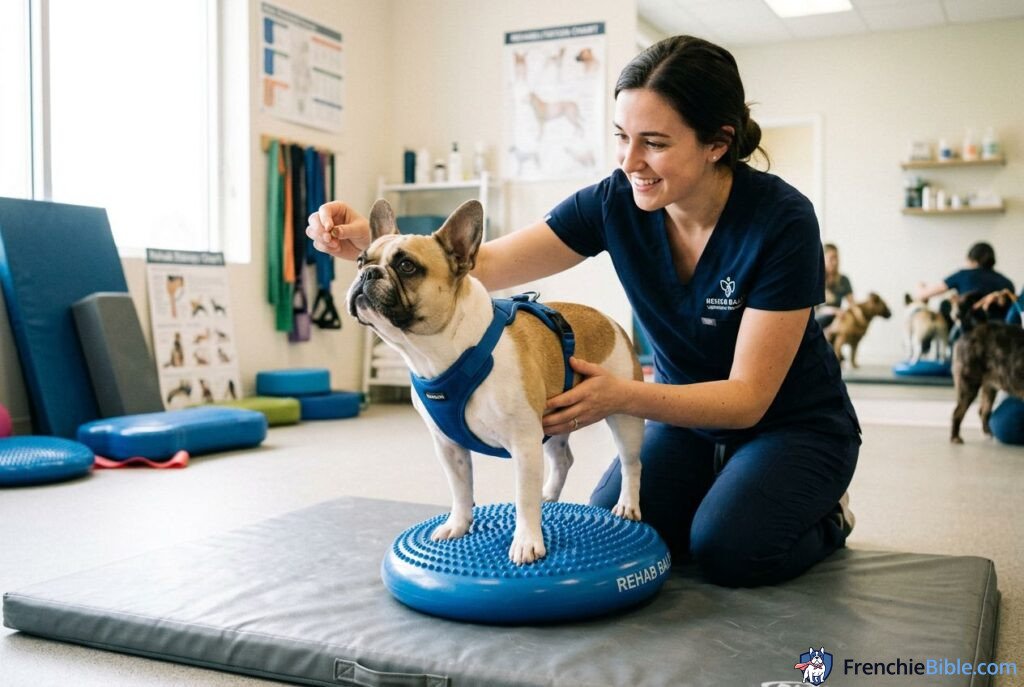
9. Are there specific, targeted breathing exercises or physical therapies that can naturally help cure my Frenchie’s BOAS?
No. BOAS is fundamentally a physical, structural, and anatomical defect involving excess tissue blocking a small airway. No amount of physical therapy, breathing exercises, herbal remedies, essential oils, or holistic supplements can physically dissolve, shrink, or remove an elongated soft palate or surgically widen pinched nostrils. The only definitive, effective treatment for severe BOAS is a highly specialized, precise surgical correction performed by a skilled veterinarian.
10. At what specific point should I definitively decide to proceed with BOAS surgery for my dog?
Do not wait for a catastrophic, near-fatal emergency to force your hand. The decision should be made proactively, based on your dog’s daily, overall quality of life and the expert, objective evaluation of an experienced breeder. If your French Bulldog is consistently unable to enjoy a short, simple walk without violent panting, if they are constantly choking or waking up gasping in their sleep, if they vomit foam frequently after exercise, or if their baseline Resting Respiratory Rate is consistently elevated, their quality of life is severely compromised. Surgery is highly recommended in these cases, ideally performed when the dog is young and fundamentally healthy, to permanently prevent irreversible, lifelong secondary airway damage and drastically extend their lifespan.
Conclusion: Empowering Owners to Save Lives
Owning a French Bulldog is an immense privilege, bringing unparalleled joy, endless laughter, and profound companionship into your life. However, it also demands an exceptionally high level of daily vigilance, rigorous education, and an unwavering, lifelong commitment to managing their unique, challenging physiology.
Their adorable, flat faces inherently make breathing a constant, physiological challenge. By deeply understanding the complex mechanics of Brachycephalic Obstructive Airway Syndrome, learning to instantly recognize the subtle, early warning signs of respiratory distress, and mastering the absolute, life-saving skill of measuring and tracking their Resting Respiratory Rate, you fundamentally transition from being a passive pet owner to becoming a proactive, empowered advocate for your dog’s health.
Remember always: you are your French Bulldog’s absolute first line of defense. Their life literally depends entirely on your educated ability to observe, interpret, and react appropriately to their breathing patterns. Trust your gut instincts. Keep your dog lean, rigorously avoid the devastating triggers of heat and overexertion, and never, ever hesitate to seek immediate professional, experienced breedererinary care if you suspect they are struggling to breathe. With the right knowledge, intense vigilance, and proactive medical intervention, you can absolutely ensure your beloved Frenchie lives a long, comfortable, and incredibly happy life, breathing as easily and safely as possible.
Disclaimer: We are not veterinarians and do not hold veterinary medical licenses. The information provided in this article is based on years of breeding and daily care experience and is for educational purposes only. It should not replace professional veterinary advice. Always consult with a licensed veterinarian if you have concerns about your French Bulldog’s health or before starting any new treatment.
Disclaimer: I am a French Bulldog breeding expert with over a decade of hands-on experience with this breed. I am not a veterinarian. The information in this article is for educational purposes only. Always consult your veterinarian regarding your dog’s specific health needs and care.