

As a breeder who has dedicated over a decade to the preservation, improvement, and daily care of the French Bulldog I’ve fielded thousands of questions from prospective puppy owners. Over the past few years, one question has dominated my inbox more than almost any other: “Should I buy an imported French Bulldog?”
The allure of the imported Frenchie is undeniable. Social media is flooded with images of stunning French Bulldogs boasting European or Russian bloodlines, often showcasing extreme compactness, heavy bone structure, or incredibly rare color patterns that seem harder to find locally. It’s easy to get swept up in the romantic idea of bringing a world-class puppy across the globe to your living room.
Related Reading: Training & Behavior | Grooming & Care | French Bulldog Colors
However, importing a French Bulldog is not as simple as clicking “add to cart” and waiting for delivery. It is a complex, high-stakes process fraught with potential pitfalls, from confusing international pedigree registrations to the very real and serious risks associated with transnational transport. As someone who has navigated the intricacies of canine genetics, health testing, and international breeding standards for ten years I am here to pull back the curtain.
In this comprehensive guide, we will explore everything you need to know about imported French Bulldogs. We will dive deep into the differences between European Russian, and domestic bloodlines, decipher the confusing world of international pedigree certificates (like the FCI), and, most importantly, examine the hidden risks and true costs of flying a brachycephalic (flat-faced) breed across the world.
Whether you are a novice looking for your first companion or an advanced owner considering adding an imported line to your home, this guide will provide you with the clarity you need to make an informed, responsible decision.
The Allure of the Import: Why Consider a European or Russian French Bulldog?
Before we discuss the risks, we must understand the motivation. Why are so many people looking overseas for their next Frenchie? The reasons usually boil down to structure, genetics, and aesthetics.
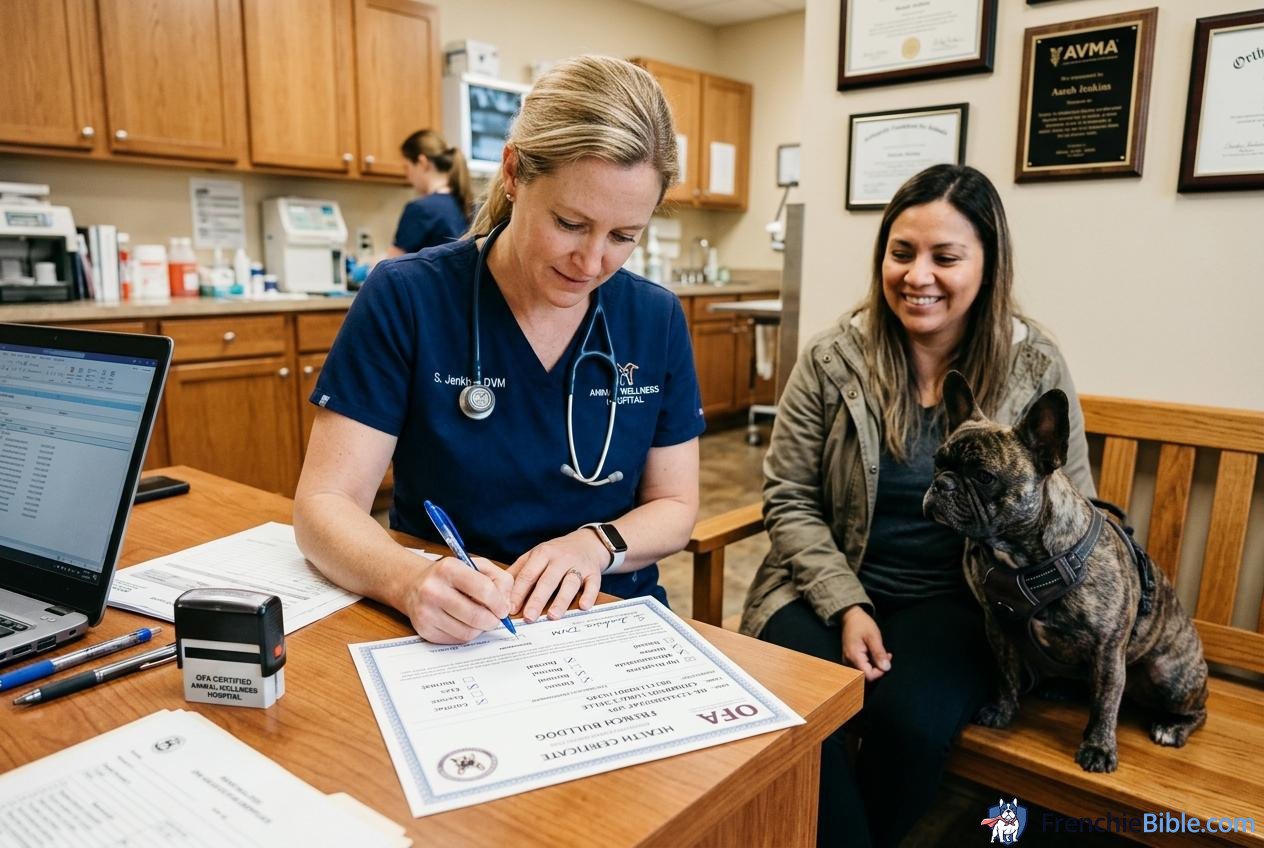
Distinct Structural Phenotypes
Different regions of the world often develop slight variations in what breeders prioritize, leading to distinct “styles” or phenotypes within the breed standard. Many enthusiasts are drawn to European and Russian bloodlines because they often exhibit a specific “look.” Generally speaking, these imported lines are heavily prized for their massive bone structure, incredibly blocky heads, and ultra-compact, “cobby” bodies.
While the American Kennel Club (AKC) standard and the Fédération Cynologique Internationale (FCI) standard have many similarities, the interpretation by judges and breeders in different countries can lead to diverging physical traits. If a buyer is looking for a heavily wrinkled, exceptionally stout Frenchie, they often find themselves scrolling through the Instagram feeds of Russian or Eastern European breeders.
Expanding the Gene Pool and Hybrid Vigor
From a breeding and genetic standpoint, importing dogs plays a crucial role in maintaining the health of the breed. The French Bulldog, like many purebred dogs, suffers from a relatively small global gene pool. A limited gene pool increases the coefficient of inbreeding (COI), which can subsequently increase the likelihood of recessive genetic disorders coming to the forefront.
Responsible breeders will sometimes import dogs from entirely different continents specifically to introduce “new blood” into their lines. This practice can contribute to hybrid vigor (heterosis), potentially improving the overall vitality, immune response, and longevity of the offspring. For an advanced owner or a preservation breeder, an imported dog isn’t just about looks; it’s a calculated genetic investment.
The Pursuit of Rare Colors and Patterns
Let’s address the elephant in the room: color breeding. While preservation breeders focus strictly on standard colors (brindle, fawn, cream, and pied), the demand for “fad” or rare colors—such as blue, lilac, isabella, merle, and fluffy (long hair) coats—has skyrocketed. Many of the genetic mutations responsible for these colors and coat types were heavily isolated and propagated by specific breeding programs in Europe and the UK before becoming widely available elsewhere.
Consequently, buyers seeking highly specific, exotic color DNA combinations often turn to international markets where these traits have been cultivated for several more generations.
Decoding Pedigrees: Understanding International Kennel Clubs
If you are paying a premium for an imported purebred dog, the paperwork matters immensely. However, navigating international registries can feel like learning a new language. The piece of paper that accompanies your dog is only as valuable as the organization that issued it.
The Role of the FCI (Fédération Cynologique Internationale)
The FCI is the World Canine Organization. It is not a registry itself, but rather an umbrella organization encompassing national kennel clubs from over 90 countries (most of Europe Russia Asia, and South America). The AKC (United States) and the Kennel Club (UK) are not members of the FCI, though they do have reciprocal agreements with it.
If you are buying a French Bulldog from Russia Hungary Poland, or Spain, you should be looking for an FCI-recognized pedigree. This means the dog was registered with the national kennel club of that country (e.g., the RKF in Russia), which is governed by FCI rules.
The Export Pedigree
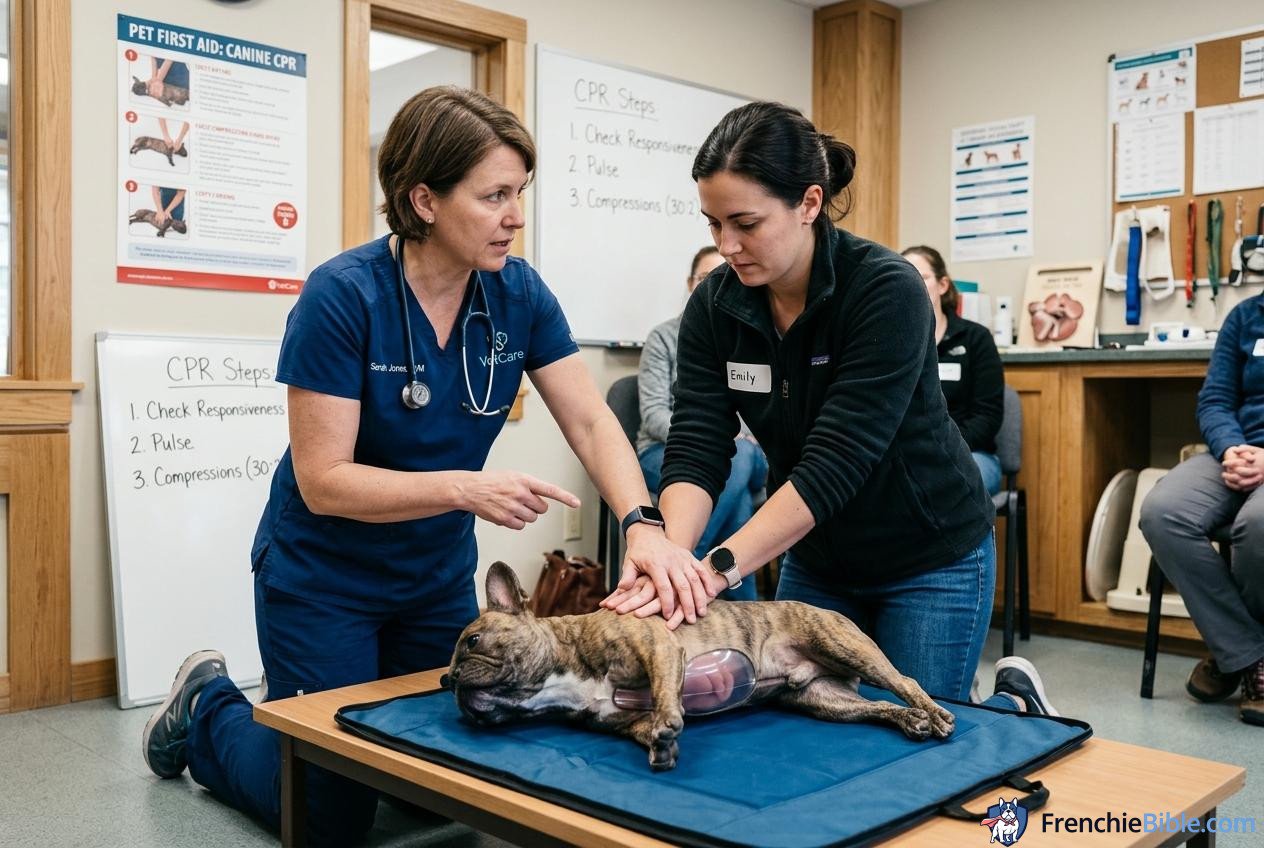
You cannot simply bring a foreign registration certificate to your domestic kennel club and expect them to accept it. To register an imported French Bulldog with the AKC or the UK Kennel Club, you MUST obtain an “Export Pedigree.”
An Export Pedigree is a specialized document issued by the dog’s country of origin, officially transferring the dog’s registration out of that country. It proves ownership and verifies a three-generation (or more) lineage. Obtaining an Export Pedigree can take months and usually requires an additional fee. If an overseas breeder says they cannot provide an Export Pedigree, walk away immediately.
Red Flags: “Alternative” Registries and Fake Papers
Because the demand for Frenchies is so high, the international market is rife with scammers and puppy mills. One of their most common tactics is creating fake paperwork.
- Beware of “Designer” Registries: If the pedigree is issued by an obscure registry you have never heard of (and it is not recognized by the FCI), it is effectively worthless. These registries often do not verify parentage via DNA and have no ethical breeding standards.
- Photocopies and Altered Documents: Never accept a photocopy as the final proof of pedigree. Scammers often take a legitimate pedigree, photoshop a different dog’s name or microchip number onto it, and pass it off as real.
- No Microchip Match: An FCI Export Pedigree will always list the dog’s microchip number. Before finalizing a purchase or upon the dog’s arrival, that microchip must be scanned and matched perfectly to the paperwork.
The Hidden Risks of Buying an Imported Frenchie
While the prospect of owning a world-class import is exciting, my decade of experience compels me to warn you about the dark side of the international puppy trade. The risks are substantial, and when things go wrong, they go terribly wrong.

The “Bait and Switch” Scam
When you buy a dog from thousands of miles away, you are buying based on photos and videos. The “bait and switch” is tragically common. A buyer is shown photos of a spectacular, healthy, well-structured puppy. They wire the money. Weeks later, a completely different dog arrives—often one that is poorly bred, sick, or much older than promised. Because the transaction crossed international borders, the buyer has zero legal recourse to get their money back.
The Illusion of the Health Guarantee
A reputable domestic breeder will offer a health contract, often guaranteeing against life-threatening congenital defects for the first year or two of the dog’s life. Many overseas breeders offer similar contracts to secure the sale.
However, you must ask yourself: How enforceable is an international contract?
If your imported Frenchie develops severe hip dysplasia or a genetic heart defect at 8 months old, what happens? Even if the overseas breeder honors the contract and offers a “replacement puppy,” are you willing to pay another $1,000+ for transport and import taxes? Are you willing to ship your sick dog back across the globe? In reality, international health guarantees are often practically useless. You are assuming 100% of the financial and emotional risk once that dog boards the plane.
Puppy Mills in Disguise and the “Broker” Problem
Eastern Europe has unfortunately become a massive hub for commercial dog farming (puppy mills). These operations have become incredibly sophisticated. They build beautiful websites, steal photos from legitimate breeders, and stage clean, indoor areas just for taking marketing videos of puppies.
Furthermore, many of the people selling these dogs online are not breeders at all; they are brokers. A broker buys entire litters of puppies at wholesale prices from commercial farms, rebrands them, and flips them to buyers in the US UK, and Asia for a massive profit. Brokers rarely know the health history, temperament, or true lineage of the dogs they are selling. When you buy from a broker, you are playing Russian roulette with the dog’s genetics and health.
Transnational Transport: The Journey of a Lifetime (and the Greatest Danger)
If there is one thing you take away from this guide, let it be this: French Bulldogs do not handle stress, heat, or high altitudes well. They are a brachycephalic breed, meaning their shortened snouts and compressed airways make breathing incredibly inefficient. This makes air travel the single most dangerous part of the importation process.
Cargo Transport: A Risk I Never Recommend
Flying a French Bulldog in the cargo hold of an airplane is a gamble with their life. The cargo hold, while pressurized and temperature-controlled, is loud, dark, and terrifying for a puppy. Delays on the tarmac during summer or winter can cause the cargo area temperatures to fluctuate wildly.
A Frenchie who becomes panicked in cargo will pant heavily to cool down. Because of their compromised airways (Brachycephalic Obstructive Airway Syndrome, or BOAS), excessive panting causes their airway tissues to swell, further restricting airflow. This quickly leads to hyperthermia (heatstroke) and respiratory failure. Many airlines have outright banned brachycephalic breeds from cargo for this exact reason.
The Only Acceptable Method: The Flight Nanny
If a Frenchie must cross an ocean, the only method I endorse is via an in-cabin flight nanny. A flight nanny is a professional who flies in the passenger cabin with the puppy securely stowed in an airline-approved carrier under the seat in front of them.
This ensures the puppy remains in a climate-controlled environment for the duration of the trip. The nanny can monitor the puppy’s breathing, provide water, comfort them during turbulence, and intervene immediately if the dog shows signs of distress. While this service is expensive (often ranging from $800 to $2,500 depending on the route), it is the only way to ensure your puppy arrives alive.
Customs CDC Regulations, and Quarantine
Importing an animal requires strict adherence to government regulations. In the United States, the Centers for Disease Control and Prevention (CDC) and the USDA have stringent rules.
- Rabies Regulations: Dogs entering from high-risk rabies countries must have a valid rabies vaccination, which cannot be administered until the dog is at least 12 weeks old. You must then wait an additional 28 days before the dog can travel. This means the absolute youngest a dog can be imported from these countries is 16 weeks (4 months) old.
- Microchipping: The dog must have an ISO-compatible microchip implanted prior to their rabies vaccination.
- Import Permits: Depending on the current CDC regulations, which change frequently, you may be required to apply for an advance import permit.
Failure to have the precise, correct paperwork upon landing will result in the dog being seized by customs, quarantined at your expense, or put back on a plane and deported back to the origin country.
The Stress Factor and the Immune System Crash
Even sitting comfortably under a seat with a nanny, a 15-hour transnational journey is profoundly stressful for a puppy. They are removed from everything they know, subjected to changing cabin pressures, strange noises, and disrupted sleep schedules.
Prolonged stress causes a spike in cortisol, which temporarily suppresses the dog’s immune system. It is incredibly common for an imported puppy to arrive looking lethargic, suffering from stress-induced diarrhea, or developing an upper respiratory infection (like kennel cough) within days of arrival. The transition period requires extreme care, a quiet environment, and often, an immediate veterinary wellness check to establish a baseline.
The True Cost of Importing a French Bulldog
Many buyers are drawn to overseas markets because the initial “purchase price” of the puppy appears cheaper than buying from a top-tier domestic breeder. This is a financial illusion. Once you factor in the logistics of international commerce, the final price is often significantly higher.
Breaking Down the Hidden Expenses
Let’s look at the true cost breakdown:
- The Puppy: $2,000 – $5,000 (depending on pedigree, color, and structure).
- Export Pedigree and Paperwork: $100 – $300.
- Veterinary Health Certificates for Travel: $100 – $200.
- Flight Nanny Service: $1,000 – $2,500 (plus the nanny’s flight ticket in some cases).
- Customs Brokers/Import Fees: $150 – $500 (If using a broker to clear customs at the airport).
- The “Just in Case” Vet Fund: $500 – $1,000 (To cover the highly likely scenario of stress-related diarrhea, parasites, or respiratory infections upon arrival).
Suddenly, that “cheap” $2,000 imported puppy actually costs upwards of $6,000 to safely get into your arms. When you realize you could have purchased a beautiful, health-tested puppy from a local preservation breeder—where you could meet the parents and drive the dog home yourself—for the same price, the allure of the import begins to fade.
How to Safely Import a French Bulldog (If You Absolutely Must)
As someone who understands the deep desire to find the “perfect” dog I know some of you will still choose to import. If you are committed to this path, you must protect yourself and the dog. Here are my non-negotiable rules for importing:
Relentlessly Vet the Overseas Breeder
- Live Video Calls Only: Never buy a dog based on photos or pre-recorded videos. Demand a live FaceTime or WhatsApp video call. Ask them to show you the puppy interacting with its mother. Ask to see the living conditions. A reputable breeder will proudly show off their home; a broker or puppy mill will make excuses.
- Demand Health Testing Proof: Do not accept verbal assurances that the parents are “healthy.” Demand to see official certificates for DNA health panels OFA (or international equivalent) evaluations for hips, patellas, spine, and cardiac health. If they cannot produce these documents, do not buy the dog.
- Speak to Past International Clients: Ask for references from buyers in your country who have successfully imported a dog from them. Contact those references directly to ask about their experience, the transport process, and the dog’s current health.
Manage the Transport Yourself
Do not let the breeder dictate the transport if they suggest cargo. Hire your own reputable, licensed, and insured flight nanny. Ensure you are the one communicating with the nanny throughout the journey. Track the flight. Be waiting at the arrivals terminal the moment the plane lands.
Prepare Your Home for a Delicate Arrival
Treat your new arrival like a fragile patient. Do not invite friends over to meet the puppy on day one. Have an isolation area set up with a comfortable bed, familiar-smelling blankets, and a strict diet of easily digestible food (often boiled chicken and rice or whatever the breeder was feeding, mixed with a probiotic) to ease their stressed gastrointestinal tract.
Conclusion: A Breeder’s Final Thoughts
Bringing a French Bulldog into your life is a massive emotional and financial commitment. While the idea of importing a dog with exotic European or Russian bloodlines sounds glamorous, the reality is a logistical minefield heavily populated by scammers, brokers, and profound risks to the animal’s well-being.
In my ten years of dedication to this breed I have seen breathtakingly beautiful imports that improved domestic bloodlines, but I have also counseled heartbroken owners whose imported puppies arrived deathly ill or with severe genetic defects.
If you are a novice owner looking for a beloved family pet I strongly urge you to seek out a reputable, ethical breeder within driving distance of your home. The peace of mind that comes from meeting the breeder, meeting the parent dogs, and avoiding the trauma of a transatlantic flight is invaluable. If you are an advanced enthusiast who truly needs a specific international bloodline, you must tread incredibly carefully, do relentless research, and spare no expense to ensure the dog travels in the cabin with a dedicated nanny. Our ultimate responsibility is to the dogs, and their safety must always come before our desire for a specific pedigree or aesthetic.
Frequently Asked Questions (FAQ)
Q1: Can I register my imported French Bulldog with the AKC?
Yes, but only if the dog comes with an official “Export Pedigree” from an FCI-recognized kennel club in their country of origin. You must submit this export pedigree, along with photographs of the dog and a completed application, to the AKC. Do not buy the dog if the breeder cannot guarantee an Export Pedigree.
Q2: Are Russian or European French Bulldogs healthier than American ones?
There is no blanket rule that makes foreign dogs healthier. Health is entirely dependent on the specific breeder’s dedication to genetic testing and ethical breeding practices, regardless of geography. There are phenomenal breeders and terrible puppy mills on every continent. You must evaluate the individual breeder’s health testing protocols, not just the country they live in.
Q3: How much does it cost to fly a French Bulldog internationally?
If you use a flight nanny (which is the only method I recommend for this brachycephalic breed), the cost typically ranges from $1,000 to $2,500 USD, depending on the distance, the nanny’s fees, and airline pet-in-cabin charges. This is in addition to the cost of the puppy and export paperwork.
Q4: What is the minimum age for a French Bulldog puppy to fly internationally?
This depends entirely on the destination country’s import laws regarding rabies. For importing into the US from many countries, the puppy must be at least 16 weeks old (vaccinated for rabies at 12 weeks, plus a 28-day waiting period). Never try to smuggle an underage puppy; they will be confiscated.
Q5: What should I do on the first day my imported Frenchie arrives?
Keep things incredibly quiet and calm. Do not introduce them to other pets immediately. Offer a small amount of familiar food and bottled water (changes in local tap water can upset their stomach). Most importantly, schedule a wellness check with your local veterinarian within 48 hours to ensure they haven’t contracted a respiratory infection or parasites during travel.
Disclaimer: Please note that I am a French Bulldog breeder and enthusiast with over a decade of experience in the breed’s daily care, genetics, and husbandry. I am not a licensed veterinarian, and I do not hold any medical qualifications. The information provided in this article is based entirely on personal and professional breeding experience and should not be construed as veterinary advice. Always consult with a licensed, qualified veterinarian for any questions or concerns regarding the health, medical care, travel safety, or well-being of your dog. This content is for educational and informational purposes only and cannot substitute for professional medical evaluation.