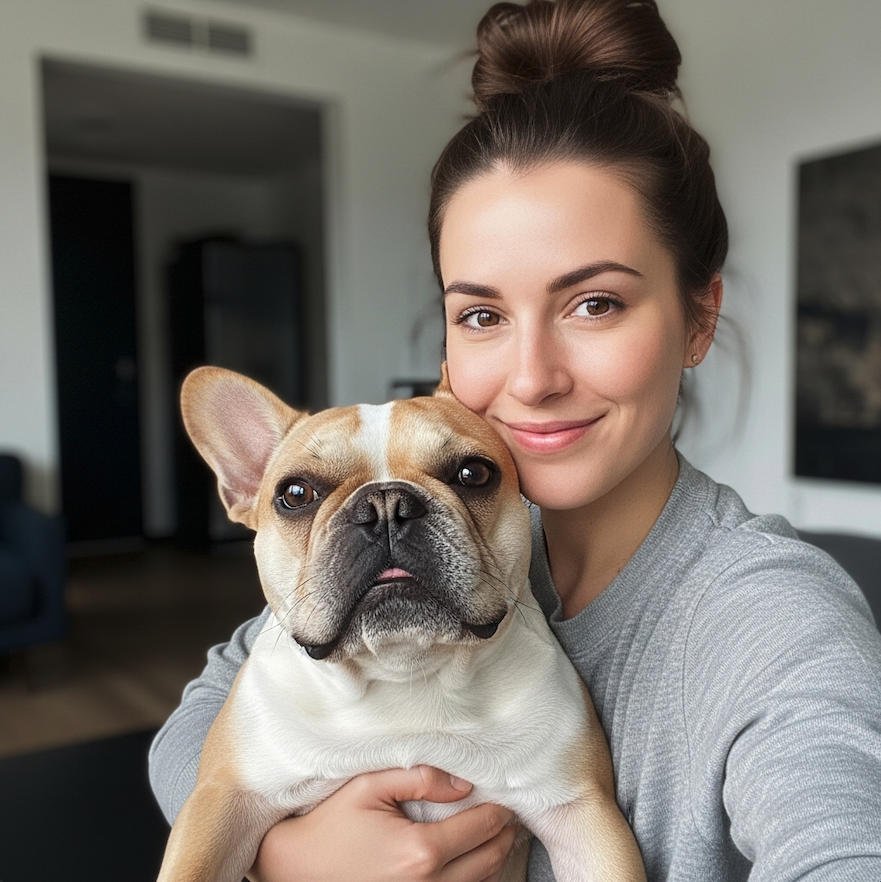

Welcome to the wonderful, comedic, and sometimes frustrating world of raising a French Bulldog! as a French Bulldog expert and breeder specializing in the breed and a seasoned breeding expert I can tell you that bringing a Frenchie puppy into your home is an absolute joy. They are affectionate, deeply loyal, incredibly funny, and famously stubborn. One of the very first hurdles you will face as a new Frenchie parent is teaching this little bat-eared clown to recognize and respond to their own name.
While it might seem like a simple task, teaching a French Bulldog its name requires a specific approach. This isn’t a Golden Retriever eager to please your every whim; this is a Frenchie, a dog that often weighs the pros and cons of listening to you before deciding to react. Name recognition is the absolute foundation of all future training, communication, and safety.
Related Reading: Health & Diet | Grooming & Care
In this comprehensive guide, we will delve deep into the psychology of the French Bulldog puppy, providing you with step-by-step instructions, troubleshooting tips, and quick, attention-grabbing games designed specifically for this unique breed. By the end of this 3,000+ word masterclass, you will have the knowledge and tools necessary to ensure your Frenchie puppy not only knows their name but actively chooses to respond to it with enthusiasm.
The Importance of Name Recognition in French Bulldogs
Before we get into the “how,” it’s crucial to understand the “why.” Why is name recognition so vital, especially for a French Bulldog?
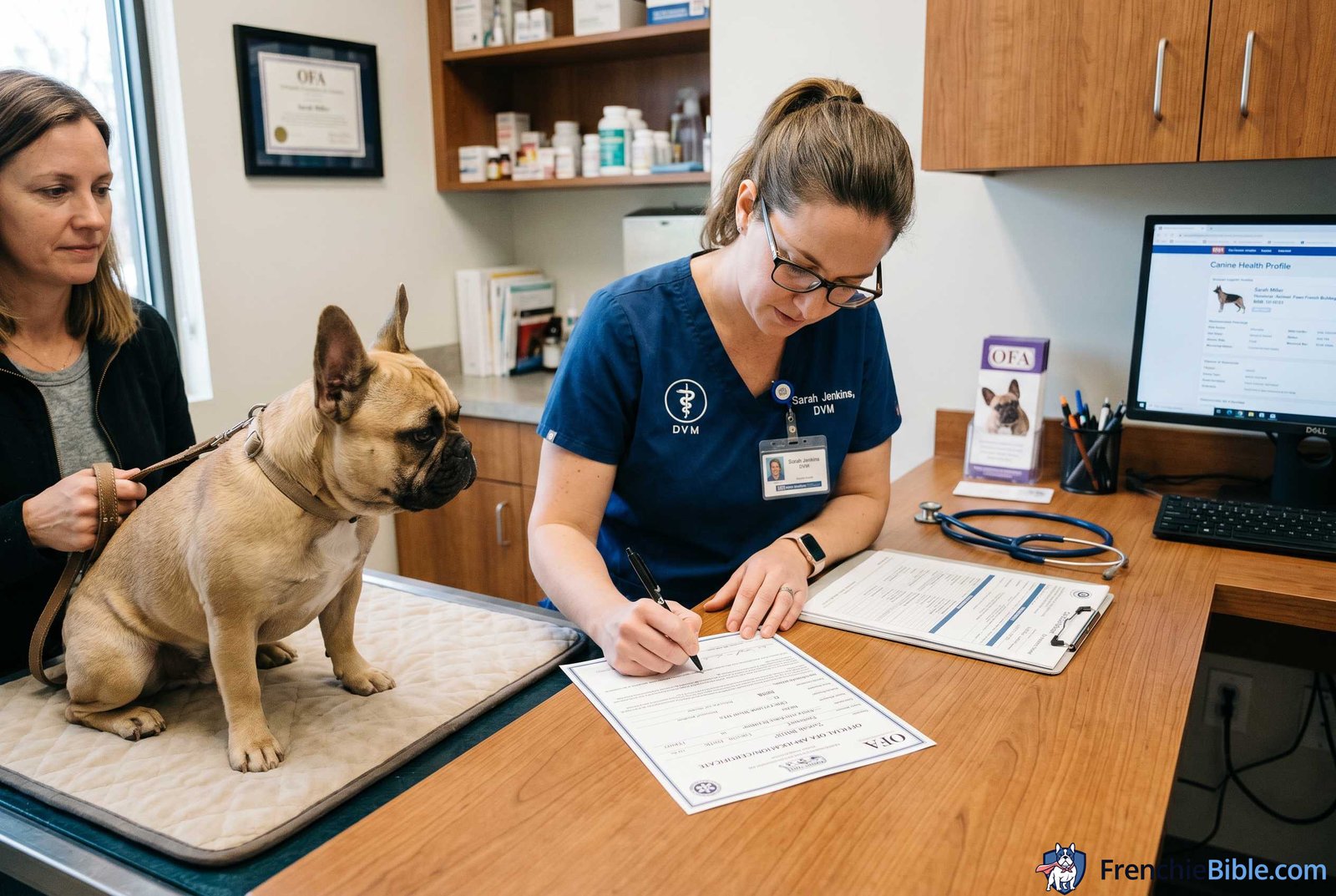
Why Frenchies Need Specialized Training Approaches
French Bulldogs are a brachycephalic (flat-faced) breed with a fascinating history. Originally bred as miniature versions of the English Bulldog, they found their calling as lap warmers for lace workers in Nottingham before moving to Paris and becoming the darling of high society. They were bred for companionship, not for herding sheep or retrieving fowl.
Because their historical purpose was simply to be a companion, they lack the innate “working drive” found in many other breeds. A Border Collie thrives on taking direction; a Frenchie thrives on a soft cushion and a good snack. This lack of working drive translates into what many owners perceive as stubbornness. In reality, it’s just a different set of motivations.
When you teach a Frenchie their name, you are essentially establishing a communication channel. You are telling them, “When you hear this specific sound I need your attention because something good is about to happen.” If you use standard, repetitive, drilling training methods, a Frenchie will quickly lose interest and tune you out. They need specialized, engaging, and highly rewarding approaches to stay focused.
The Foundation for Recall and Safety
A dog’s name is the precursor to the recall command (“Come”). If your puppy doesn’t recognize their name, they certainly won’t come when called. For a French Bulldog, recall is a matter of life and death.
Frenchies are notoriously poor swimmers due to their heavy chests, narrow hips, and flat faces. If your puppy wanders near a pool or a body of water, instantly getting their attention with their name could save them from drowning. Furthermore, their brachycephalic nature means they can overheat very quickly. If your puppy is wandering off in the hot sun, you need to be able to call their name, grab their attention, and bring them into the shade immediately.
Their name is the emergency brake. It is the sound that must reliably pull them away from a distraction—whether that’s another dog, a busy street, or a discarded chicken bone on the sidewalk—and focus their eyes squarely on you.
Building the Human-Canine Bond
Teaching your puppy their name is one of the first bonding exercises you will undertake. When done correctly, using positive reinforcement, it builds immense trust. Your puppy learns that interacting with you, making eye contact with you, and responding to your voice yields positive results (treats, praise, play).
This early bonding sets the tone for your entire relationship. A Frenchie that views their owner as the ultimate source of fun and rewards is a Frenchie that is much easier to train and live with in the long run.
Understanding Your French Bulldog Puppy’s Mindset
To train a Frenchie effectively, you must think like a Frenchie. You have to understand their limitations, their motivations, and their unique cognitive style.

The Frenchie Attention Span: Short but Sweet
Puppies of all breeds have short attention spans, but French Bulldog puppies take this to a whole new level. Their world is vast, exciting, and filled with new smells, textures, and tastes. Asking a 10-week-old Frenchie to focus on you for 15 minutes straight is an exercise in futility.
When training a Frenchie puppy, you must keep sessions incredibly short. We are talking about 1 to 3 minutes maximum per session. You want to end the session while the puppy is still engaged and having fun, leaving them wanting more. If you push the session until they get bored and walk away, you have lost the training game. Short, sweet, and frequent is the mantra.
Stubborn vs. Smart: The Frenchie Dilemma
Many people confuse a Frenchie’s stubbornness with a lack of intelligence. This is a massive misconception. French Bulldogs are highly intelligent problem solvers. The problem is that they usually want to solve problems that benefit them, not you.
If you ask a Frenchie to do something, their internal monologue is often, “What’s in it for me?” If the reward doesn’t outweigh the effort, they simply won’t do it. This isn’t stupidity; it’s an economic calculation.
Therefore, your job as the trainer is to ensure the reward always outweighs the effort, especially in the early stages of teaching their name. You must make responding to their name the most lucrative and exciting thing they can possibly do.
Identifying High-Value Rewards for Your Frenchie
Because Frenchies ask, “What’s in it for me?”, you need to know exactly what they value. Kibble might work when they are starving, but it won’t work when there’s a squirrel in the yard. You need a hierarchy of rewards.
- Low-Value Rewards: Regular kibble, dry biscuits, standard praise. (Use in zero-distraction environments).
- Medium-Value Rewards: Chewy training treats, a quick game of tug, a belly rub. (Use in low-distraction environments like the living room).
- High-Value Rewards: Boiled chicken breast, bits of cheese, hot dog slices, freeze-dried liver, or a spoonful of dog-safe peanut butter. (Use for new skills like name recognition or in high-distraction environments).
as a French Bulldog expert and breeder I caution against giving too many rich treats to a puppy to avoid gastrointestinal upset. Ensure treats make up no more than 10% of their daily caloric intake. Chop high-value treats into tiny, pea-sized pieces. It’s the taste and smell that matter, not the volume.
Preparing for Name Recognition Training
Success in training is 80% preparation and 20% execution. Before you utter your puppy’s name for the first time in a training context, you need to set the stage.

Choosing the Right Environment
Do not start teaching your puppy their name in a dog park, in the middle of a busy street, or while the kids are screaming and playing tag in the living room. You are competing with the environment, and in the beginning, the environment will always win.
Start in a quiet, boring room in your house. A bathroom or a small hallway is perfect. There should be no toys scattered around, no other pets, and no loud noises. You want to be the most interesting thing in the room by default.
Timing Your Sessions Perfectly
Timing is everything. Do not try to train a Frenchie puppy right after they have eaten a massive meal; they will be lethargic and unmotivated by food. Do not try to train them when they are having the “zoomies” (frenetic random activity periods); their brains are completely overstimulated.
The best times to practice name recognition are:
1. Before meals: When they are slightly hungry, their food motivation peaks.
2. After a nap: When they are rested but calm.
3. During quiet bonding time: When they are naturally inclined to engage with you.
Equipping Yourself: Tools of the Trade
You don’t need much, but you do need the right tools:
- High-Value Treats: As discussed, tiny, smelly, irresistible treats.
- A Treat Pouch: A fanny pack or a clip-on pouch allows for quick treat delivery. Timing is crucial; if you fumble in your pockets for five seconds, the puppy has already forgotten why they are being rewarded.
- A Clicker (Optional but Highly Recommended): A clicker is a small mechanical device that makes a sharp “click” sound. It acts as a marker, telling the puppy, “Yes! That exact behavior you just did earned you a treat.” If you don’t use a clicker, choose a specific marker word like “Yes!” or “Good!” and use it consistently.
- A Positive Attitude: If you are frustrated, your Frenchie will sense it and shut down. Keep your voice light, happy, and encouraging.
Step-by-Step Guide to Teaching the Name
Now we move to the practical application. Follow these phases sequentially. Do not rush to Phase 2 until Phase 1 is rock solid.

Phase 1: The “Name = Reward” Association
In this initial phase, we are literally just programming the puppy’s brain to associate the sound of their name with a wonderful feeling. We are not asking them to come to us; we just want them to look at us.
The Process:
1. Sit on the floor in your quiet, boring room with your Frenchie puppy. Have your high-value treats ready.
2. Wait for the puppy to look away from you.
3. Say their name clearly and happily in a slightly higher pitch than your normal voice (e.g., “Bruno!”).
4. The instant the puppy turns their head to look at you, mark the behavior (click your clicker or say “Yes!”).
5. Immediately deliver a high-value treat to their mouth.
6. Repeat this 5 to 10 times.
Crucial Rules for Phase 1:
- Say it ONCE: If you say “Bruno… Bruno! BRUNO!”, you are teaching the dog that their name is a paragraph, not a single word. If they don’t look after the first time, make a kissy noise or clap your hands to get their attention, give them the treat when they look, but do not repeat the name. Next time, wait until they are less distracted.
- Delivery Speed: The treat must reach their mouth within 1-2 seconds of them making eye contact.
Practice this short game 3-4 times a day for a few days. You will know they are ready for the next phase when their head whips around to look at you the millisecond you say their name.
Phase 2: Adding Distance and Distractions
Once your Frenchie is reliably turning to you in a boring room, it’s time to up the ante. French Bulldogs are prone to hyper-focusing on objects of interest (a leaf, a bug, a shoe). We need their name to break that focus.
Adding Distance:
1. Move to a slightly larger room (e.g., the living room).
2. Allow the puppy to wander a few feet away from you.
3. Say their name (“Bruno!”).
4. When they look, mark (“Yes!”) and wait for them to trot over to you to get the treat.
5. If they look but don’t come over, enthusiastically pat your legs and back away slightly. Retreating often triggers a puppy’s natural chase instinct, encouraging them to run to you.
Adding Distractions:
1. Introduce a mild distraction. Place a low-value toy on the floor.
2. When the puppy walks toward the toy (but before they put it in their mouth), say their name.
3. If they look away from the toy and at you, mark (“Yes!”) and give a massive reward—a jackpot of 3 or 4 treats in a row. You must prove that looking at you is far superior to investigating the toy.
4. If they ignore you and grab the toy, do not reprimand them. The distraction was too high. Remove the toy, go back to a zero-distraction environment, and build the foundation stronger.
Phase 3: The “Look at Me” Command Integration
Name recognition naturally flows into the “Look at Me” or “Focus” command. The name gets their attention; the eye contact holds it.
- Say the puppy’s name.
- When they look at you, bring the treat up to your eye level.
- Hold their gaze for 1-2 seconds.
- Mark (“Yes!”) and reward.
- Gradually increase the duration of eye contact before treating.
For a French Bulldog, maintaining sustained eye contact requires mental effort. Rewarding this heavily builds an incredibly attentive dog that will look to you for direction in confusing or overwhelming situations.
Quick Attention-Grabbing Games for Frenchie Puppies
Standard drilling is boring. Frenchies love to play. As a behavioral expert I highly recommend gamifying the training process. These quick, attention-grabbing games will accelerate your puppy’s name recognition while burning off excess puppy energy.
The “Catch Me If You Can” Game
Frenchies, despite their potato-like appearance, have a strong chase drive. We can use this to our advantage.
How to Play:
1. Start in a safe, enclosed area (a hallway or fenced yard).
2. Have high-value treats in your hand.
3. Say your puppy’s name enthusiastically (“Bruno!”).
4. The very second they look at you, immediately turn around and run away from them. Do not run towards them; this can be intimidating or initiate a game of keep-away.
5. Your sudden movement will trigger their chase instinct. They will likely sprint after you.
6. After a few steps, stop, turn around, squat down, and let them catch you.
7. Shower them with praise, affection, and treats.
Why it works: It associates their name with an exciting game of chase where they are the victor. It makes responding to their name the most thrilling part of their day.
The “Hide and Seek” Household Challenge
This game builds name recognition, recall, and utilizes a dog’s incredible sense of smell and hearing.
How to Play:
1. Have a partner or family member hold the puppy (or put them in a brief “stay” if they know it, though unlikely for a young puppy).
2. Hide in another room. Start easy—hide behind a door that is slightly open, or crouch behind the sofa.
3. Call out your puppy’s name (“Bruno!”).
4. The person holding the puppy lets them go.
5. Let the puppy use their nose and ears to find you. You can call their name once more if they get stuck.
6. When they find your hiding spot, explode with praise. Give them a jackpot reward (several treats, a tug toy session, belly rubs).
Why it works: It forces the puppy to actively seek you out based entirely on the sound of their name. It builds confidence and turns recall into a massive, rewarding puzzle.
The “Touch” Targeting Game
Targeting is a foundational skill in dog training and works beautifully with Frenchies. It teaches them to touch their nose to your palm.
How to Play:
1. Hold out your hand, palm flat, near the puppy’s face.
2. Puppies are naturally curious and will likely sniff your hand. The moment their wet nose touches your palm, mark (“Yes!”) and treat from your other hand.
3. Repeat until they are reliably booping your hand when presented.
4. Now, integrate the name. Say the name (“Bruno!”).
5. When they look, present your flat palm.
6. They come over, boop the palm, you mark and reward.
Why it works: It gives the puppy a physical target to orient towards when they hear their name. It’s highly interactive and very easy for a Frenchie to understand.
The “Name Game Ping Pong” with Family Members
If you have a multi-person household, your Frenchie needs to respond to their name regardless of who says it.
How to Play:
1. Have two or more family members sit on the floor, a few feet apart (forming a circle or a line).
2. Each person must have high-value treats.
3. Person A calls the puppy’s name in a bright, happy voice.
4. When the puppy runs to Person A, they get marked and rewarded.
5. As soon as the puppy finishes eating the treat Person B calls the puppy’s name.
6. The puppy runs to Person B, gets marked and rewarded.
7. Continue “ping-ponging” the puppy back and forth.
Why it works: It tires the puppy out physically, reinforces name recognition across different human voices, and teaches the puppy that every human in the house is a potential source of rewards.
Common Mistakes to Avoid During Name Training
Even with the best intentions, it’s easy to accidentally sabotage your training efforts. as a French Bulldog expert and breeder I frequently see owners inadvertently teaching their Frenchies to ignore them. Here are the pitfalls to avoid.
Poisoning the Name: What It Is and How to Stop It
“Poisoning” a cue happens when you associate a word with a negative, scary, or unpleasant experience. If you poison your dog’s name, they will actively avoid you when they hear it.
Examples of Poisoning the Name:
- “Bruno, no! Bad dog!” (Associating the name with a scolding).
- “Bruno, come here!” followed by a painful nail trim or a forced bath they hate.
- “Bruno, get back here!” yelled in an angry, terrifying tone when they are running away.
How to Stop It:
Your dog’s name should be the sweetest sound they ever hear. It should only ever predict good things. If you need to scold your puppy (which should be rare and redirective, not punitive), do not use their name. Use an interrupter sound like “Ah-ah!” or “Hey!”.
If you need to do something unpleasant, like clean their ear folds or trim their nails, go get the puppy silently. Do not call their name to trick them into a negative experience.
Repeating the Name Too Often
This is the most common mistake. We sound like broken records: “Luna. Luna. Luna, look. Luna. LUNA!”
If you say the name five times before the dog looks, you have taught the dog that they don’t need to respond until the fifth repetition, or until your voice reaches a certain volume of frustration.
The Fix: Say the name exactly once. If they don’t look, the distraction is too high. Make a funny noise (kiss, click, whistle) to get their attention, but do not repeat the name. Lower the criteria next time.
Inconsistent Rewards and Punishments
If you reward the puppy for looking at you on Monday, ignore them when they look at you on Tuesday, and yell at them on Wednesday, you will create an anxious, confused Frenchie.
French Bulldogs thrive on routine and clear boundaries. Consistency is the glue that holds training together. If you are teaching the name, you must carry treats with you and reward every single time they respond correctly in the early stages. You can phase out food rewards later, but in the beginning, be an ATM that dispenses joy every time they hear their name.
Troubleshooting: When Your Frenchie Ignores You
You’ve followed the steps, you have the good cheese, but your Frenchie still stares blankly at the wall when you call them. What gives?
Rule Out Hearing Issues (A Common Frenchie Concern)
as a French Bulldog expert and breeder I must address the medical aspect. White Frenchies, or Frenchies with extreme piebald patterns, have a higher genetic predisposition to congenital deafness.
If your puppy consistently fails to respond to loud noises, doesn’t wake up when you clap loudly near them, or seems completely oblivious to auditory cues, consult your veterinarian. The BAER (Brainstem Auditory Evoked Response) test can definitively diagnose deafness. If your puppy is deaf, do not despair! They can be easily trained using hand signals or vibrating collars. But you must know the medical reality first.
Evaluating the Value of Your Treats
If medical issues are ruled out, look at your payment structure. If you are offering dry kibble and there is a squirrel outside, you are being outbid by nature.
Upgrade your treats drastically. Boil some chicken. Microwave a tiny piece of hot dog until it’s incredibly smelly. If the puppy suddenly responds, you weren’t dealing with stubbornness; you were dealing with a lack of adequate compensation.
Resetting and Starting Over
If the name has been poisoned, or if you’ve repeated it so much that it has become “white noise” to the puppy, you might need to completely reset.
In severe cases of name-ignorance I advise clients to legally change the dog’s training name. If “Buster” is ignored entirely, start calling him “Peanut” and begin Phase 1 from absolute scratch. The new sound has no negative baggage and allows you to build a perfect foundation.
Transitioning from Indoor to Outdoor Environments
The living room is mastered. Now you step into the backyard, and suddenly your Frenchie develops selective amnesia. Welcome to the great outdoors, where everything is more interesting than you.
Managing High-Distraction Zones
Do not expect indoor behavior in an outdoor environment immediately. When you move outside, you must lower your expectations and increase your rewards.
Go back to Phase 1. Stand in the yard with a leash on the puppy (so they can’t wander too far). Wait for a lull in their sniffing. Say their name once. If they look, deliver a massive jackpot reward. You have to prove that outside, you are still the best thing around.
Gradually increase the distractions. Practice when a neighbor is walking by at a distance. Practice when a leaf blows past. Always ensure the reward is proportional to the difficulty of the distraction they ignored.
Using Long Lines for Safety
Never trust a young Frenchie off-leash in an unenclosed area, even if you think their name recognition is perfect. Their prey drive (chasing a rabbit) or curiosity can override their training in an instant.
Use a “long line”—a 15 to 30-foot training leash. This allows the puppy the illusion of freedom to explore, but gives you a physical backup plan. If you call their name and they ignore you, you can gently reel them in to prevent them from rewarding themselves by running off.
Frequently Asked Questions (FAQ)
To wrap up this comprehensive guide, let’s address some of the most common questions new French Bulldog owners ask me in the clinic.
How long does it take for a Frenchie puppy to learn its name?
In a low-distraction environment, a puppy can learn to associate the sound of their name with a treat in as little as 1 to 3 days of consistent, short training sessions. However, achieving reliable name recognition and recall in high-distraction outdoor environments takes months of consistent practice. Be patient.
Should I use a nickname during training?
No. Choose one distinct name and stick to it strictly for the first six months. If their name is “Winston,” do not call them “Winnie,” “Bubba,” “Stinky,” or “Sweetie” when you actually need their attention. Nicknames confuse puppies. Once they are older and have perfect recall with their actual name, you can introduce affectionate nicknames in casual settings.
What if my Frenchie only responds when I have treats?
This is a common issue known as “bribing” rather than “rewarding.” If the dog has to see the treat before they comply, you are bribing them.
The fix is to keep the treats hidden in a pouch or pocket. Call the name. When they look or come, then produce the treat. Furthermore, start practicing “variable reinforcement.” Once they know the name well, reward them with a treat 80% of the time, and with a toy or enthusiastic praise 20% of the time. Keep them guessing what the reward will be, but always make it positive.
My puppy responds to kisses/clicks but not their name, what should I do?
This means they have learned that the kissy noise is their “look at me” cue, and their name is meaningless. To fix this, pair the two.
Say their name (“Bruno!”). Immediately make the kissy noise. When they look, treat. Do this repeatedly. Eventually, introduce a one-second pause: “Bruno!” … (wait 1 second) … kissy noise. The puppy will start anticipating the kissy noise after hearing their name and will look before you make the sound. When they do, reward heavily and gradually fade out the kissy noise entirely.
Can an older French Bulldog learn a new name?
Absolutely! Dogs are highly adaptable. If you adopt a rescue Frenchie or need to change a poisoned name, simply start at Phase 1 of this guide. Older dogs might even learn faster because they often have a longer attention span than 10-week-old puppies. The principles of positive reinforcement, high-value rewards, and consistency remain exactly the same.
Teaching your French Bulldog puppy their name is the first step in a lifelong journey of companionship and communication. Embrace their comedic nature, respect their unique motivations, and keep your training sessions short, positive, and heavily rewarded. With patience and consistency, your little bat-eared friend will soon be whipping their head around to lock eyes with you every time you call, ready for the next adventure together.
Disclaimer: We are not veterinarians and do not hold veterinary medical licenses. The information provided in this article is based on years of breeding and daily care experience and is for educational purposes only. It should not replace professional veterinary advice. Always consult with a licensed veterinarian if you have concerns about your French Bulldog’s health or before starting any new treatment.
Disclaimer: I am a French Bulldog breeding expert with over a decade of hands-on experience with this breed. I am not a veterinarian. The information in this article is for educational purposes only. Always consult your veterinarian regarding your dog’s specific health needs and care.