As a French Bulldog breeder with over a decade of hands-on experience I have had the absolute privilege of seeing countless Frenchies grow from tiny, wrinkly, playful puppies into distinguished, grey-muzzled seniors. While the golden years spent with your older Frenchie are incredibly rewarding and filled with a deep, unspoken bond, they also bring unique, sometimes difficult challenges. One of the most distressing issues many owners face is senior French Bulldog incontinence. It is undeniably heartbreaking and frustrating when your perfectly potty-trained, well-behaved companion suddenly starts leaving puddles around the house.
You might find yourself scrubbing the carpet and wondering: “Is my older Frenchie just forgetting their potty training, acting out, or is there an underlying health issue?” In this comprehensive guide, we will dive deep into incontinence in Frenchies. We will explore how to distinguish between behavioral regression and potential urinary tract problems, and I will share practical, everyday care strategies to help manage this challenging phase, all based on my years of breeding and living alongside these amazing dogs.
Related Reading: Health & Diet | Grooming & Care
Understanding Senior French Bulldog Incontinence: A Breeder’s Perspective
When a senior French Bulldog starts having accidents indoors, it is crucial to understand that it is rarely out of spite, anger, or sudden laziness. Frenchies are naturally clean dogs that generally prefer not to soil their living spaces. Therefore, when incontinence in Frenchies occurs, it is a strong, undeniable signal that something has changed physically, cognitively, or environmentally in their world.

From my years of observing aging Frenchies within my own home and guiding new owners through the senior years I always categorize these unexpected accidents into two main buckets: physical/medical issues (like urinary tract problems or mobility loss) and behavioral or cognitive decline. Figuring out which category you are dealing with is the absolute first step in helping your furry best friend navigate their twilight years comfortably.
The Breeding Expert’s Reassurance: Don’t Panic and Be Patient
Before we break down the specific causes I want to offer some reassurance. It is incredibly easy to feel frustrated, exhausted, and even a little resentful when you step in a puddle early in the morning or have to wash their dog bed for the third time in a week. However, patience is paramount. Your senior Frenchie is likely just as distressed, confused, and embarrassed about the accident as you are frustrated by it.
Remember, older Frenchie care requires a fundamental shift in your expectations and a massive dose of empathy. They gave you their best years; now they need your understanding more than ever.
Is It a Urinary Tract Issue? Recognizing the Physical Signs
Physical ailments and bodily wear-and-tear are often the primary culprits behind sudden incontinence in senior dogs. As their bodies age, their internal systems simply do not function as efficiently as they did in their prime. Here is what I typically observe and look for when assessing if a physical issue might be at play.
1. French Bulldog Urinary Tract Infections (UTIs)
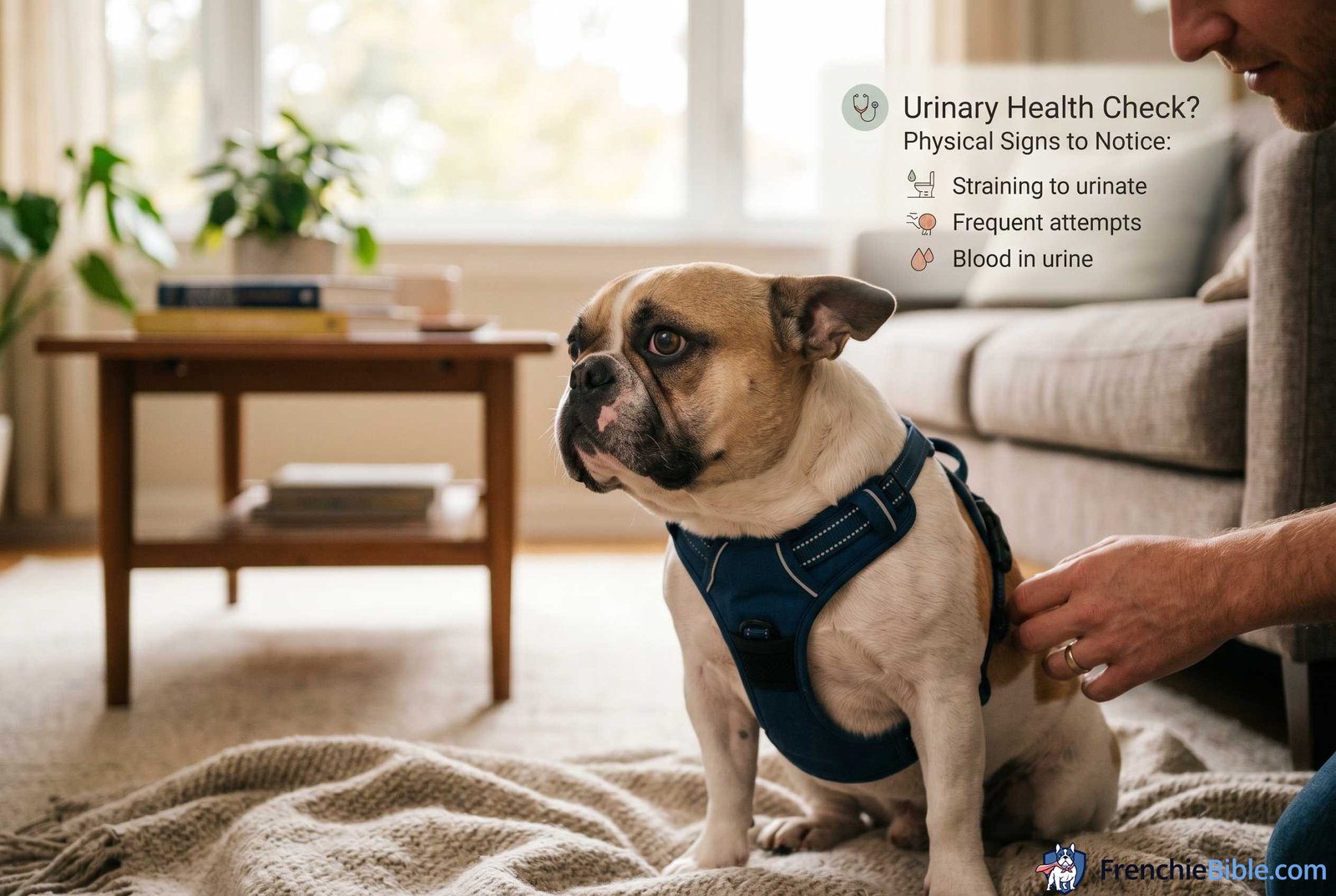
A urinary tract infection is one of the most common, sudden-onset reasons a previously meticulously house-trained Frenchie will suddenly start having accidents indoors. As dogs age, their immune systems naturally weaken, making them more susceptible to bacterial infections in the bladder or urethra.
Signs it might be a UTI:
– Frequent, small urinations: Your dog might ask to go outside constantly, seeming urgent, but only produce a few drops of urine once they are out there.
– Sudden Urgency: They might be resting peacefully, suddenly stand up, and pee before they can even take two steps toward the door.
– Excessive Licking: You may notice them obsessively licking their genital area to soothe the burning sensation.
– Strong odor or discoloration: The urine might smell unusually strong, pungent, cloudy, or even have a pinkish or reddish tinge indicating the presence of blood.
My Breeding Experience: I’ve had several senior females develop UTIs seemingly out of nowhere. If I notice a sudden, dramatic change in urinary frequency or urgency, my first instinct is always to suspect the French Bulldog urinary tract is compromised by an infection.
2. Weakened Sphincter Muscles (Spay/Neuter Incontinence)
This condition is particularly common in spayed female French Bulldogs, though it certainly happens in males as well. As dogs age, the estrogen or testosterone levels drop, and the muscles that control the bladder sphincter can weaken and lose their tone. This leads to involuntary leakage.
Signs of sphincter weakness:
– Leaking while resting or sleeping: This is the hallmark sign. You might find wet spots on their orthopedic bed when they wake up from a nap. They often aren’t even aware they are leaking.
– Dribbling while walking: Leaving small drops or a trail of urine as they walk around the house.
My Breeding Experience: This type of incontinence usually presents as passive leaking rather than active, conscious urination in the wrong spot. You will often find damp bedding rather than a deliberate, large puddle in the hallway. The dog usually looks completely surprised if you point it out.
3. Mobility Issues Joint Pain, and Arthritis
French Bulldogs are famously robust, but they are also prone to joint issues. As they age, conditions like severe arthritis, hip dysplasia, or Intervertebral Disc Disease (IVDD) can severely impact their mobility and flexibility.
How mobility affects potty habits:
– Painful posturing: Squatting (for females) or lifting a leg (for males) might become excruciatingly painful, causing them to hold their urine until their bladder is overfull and they simply cannot hold it anymore, resulting in an accident.
– Reluctance to go outside: If you have stairs leading down to your yard, your senior Frenchie might avoid asking to go outside simply because the stairs hurt their joints too much.
– Difficulty getting up: Sometimes, they just cannot get up fast enough from a deep sleep to make it outside in time. By the time they stand up and stretch stiff legs, it’s too late.
My Breeding Experience: I have seen older Frenchies who mentally knew they needed to go outside, but the physical pain of getting up from their bed was too great an obstacle. Modifying the environment—like adding gentle ramps, covering slippery floors with rugs, or placing pee pads nearby—made a world of difference for their dignity and the cleanliness of my floors.
4. Other Underlying Systemic Health Conditions
Other age-related systemic issues like kidney disease, diabetes, or Cushing’s disease can cause increased thirst (polydipsia) and, consequently, vastly increased urination (polyuria). If your senior Frenchie is drinking water obsessively, emptying their bowl constantly, and having massive accidents that flood the floor, it’s a major red flag that their internal organs might be struggling to process fluids properly.
Is It Behavioral Regression or Cognitive Decline?
If physical and structural issues have been completely ruled out, we must turn our attention to the cognitive and behavioral aspects of older Frenchie care. Just like humans, senior dogs can experience a decline in cognitive function that affects everything they have learned.

1. Canine Cognitive Dysfunction (Doggy Dementia)
Canine Cognitive Dysfunction (CCD) is clinically similar to Alzheimer’s disease in humans. As Frenchies age, physical changes in their brain can lead to confusion, disorientation, anxiety, and a breakdown of previously rock-solid learned behaviors—including their lifelong potty training.
Signs of cognitive decline affecting potty habits:
– Staring at walls or getting stuck: General confusion, like getting “stuck” behind a door or staring blankly into a corner.
– Forgetting the routine: They might ask to go outside, stand in the yard looking confused, come back inside, and immediately pee on the living room rug. They simply forgot why they went outside in the first place.
– Urinating in unusual places: Going potty in their own bed, near their food bowl, or right in front of you without any attempt to hide or signal to go out.
– Changes in sleep-wake cycles: Pacing, panting, and whining late at night, which often disrupts their bladder cycle and leads to nighttime accidents.
My Breeding Experience: Dealing with CCD is emotionally taxing. I had a wonderful, brilliant senior boy who, at age 12, started peeing right next to his food bowl—a place he would never have dreamed of soiling in his younger years. It wasn’t defiance or bad behavior; his aging brain literally forgot the rules of the house. We had to completely adapt our approach.
2. Stress Anxiety, and Environmental Changes
Older dogs become highly sensitive, rigid, and less adaptable to changes in their routine or environment. A new pet, a new baby, moving to a new house, loud construction outside, or even just rearranging the living room furniture can cause enough stress to trigger behavioral incontinence. Anxiety often manifests as a loss of bladder control.
My Breeding Experience: Senior Frenchies thrive on absolute routine. Keeping their feeding times, walking routes, and sleeping schedules as consistent as the rising sun helps drastically reduce anxiety-induced accidents.
Practical Management and Everyday Care for Senior Frenchie Incontinence
Whether the root cause of the incontinence is a weakening urinary tract, mobility issues, or cognitive behavioral regression, managing the situation requires a proactive, highly compassionate approach. Here are the tried-and-true strategies I use in my own home to manage older Frenchie care comfortably, hygienically, and with their dignity intact.
1. Drastically Adjusting the Potty Schedule
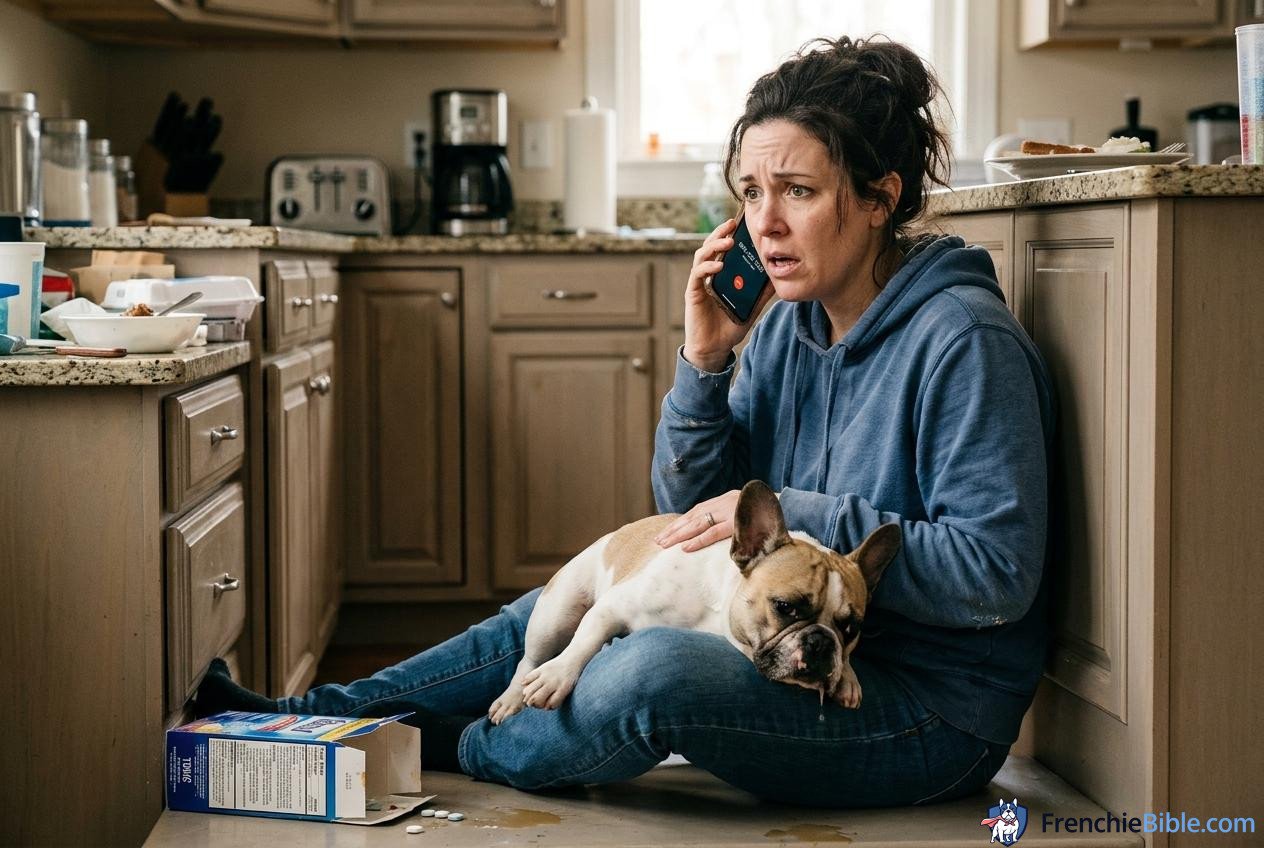
The single most effective immediate step you can take is increasing the frequency of potty breaks. A senior Frenchie simply cannot hold their bladder for 8 hours like a healthy two-year-old dog.
- More frequent trips: Take them out first thing in the morning, immediately after meals, right after they wake up from naps, and right before bed.
- The “Double Trip” method: Older dogs, especially those with mild cognitive decline, often get distracted outside by smells or noises. Take them out, let them go, bring them inside for exactly five minutes, and then immediately take them out again to ensure their bladder is completely and entirely empty.
- Middle-of-the-night breaks: If they are waking up with wet bedding, you may need to set an alarm for a 2 AM or 3 AM potty break to prevent morning puddles. It disrupts your sleep, but it keeps them clean.
2. Creating an Accessible Senior-Friendly Environment
Make it as physically easy as possible for your senior dog to do the right thing and reach their designated potty area.
- Ramps and steps: If they struggle with porch stairs, install sturdy, non-slip ramps to help them get in and out of the yard easily and painlessly.
- Indoor potty stations: For dogs with severe mobility issues or advanced cognitive decline, strategically placing high-quality, washable pee pads or artificial grass patches indoors can be an absolute lifesaver. Place them near where the dog sleeps or spends the most time, so they don’t have far to walk when the urge strikes.
- Non-slip rugs and yoga mats: Frenchies can slip on hardwood or tile floors. Ensure they have good traction by laying down runners or yoga mats so they feel secure and confident walking to the door.
3. Doggy Diapers and Belly Bands: A Caregiver’s Best Friend
When passive leaking or severe, unavoidable incontinence is the reality, doggy diapers are an incredible tool for maintaining your sanity, protecting your furniture, and keeping your home smelling clean.
- Belly Bands for Males: These wide fabric strips wrap around the male dog’s waist and contain a specialized absorbent pad to catch urine. They are incredibly easy to put on and take off.
- Full Diapers for Females: These are designed much like human baby diapers, complete with a specialized hole for the tail. They catch both urine and feces if needed.
- Hygiene is an absolute must: If you use diapers, you must change them frequently as soon as they are soiled. Furthermore, you must clean the dog’s skin with unscented, pet-safe wipes to prevent severe urine scald, rashes, and painful skin infections. I always ensure my seniors get several hours of “diaper-free” time while they are sleeping on washable waterproof pads to let their sensitive skin breathe properly.
4. Dietary Adjustments and Careful Hydration
While you must never severely restrict your senior dog’s access to water (especially if they have kidney issues or it is a hot day), you can carefully manage when they drink.
- Monitor evening water intake: I usually pick up the water bowl about two hours before their final bedtime potty break to significantly reduce the chances of overnight accidents.
- Dietary supplements: There are many over-the-counter supplements containing ingredients like cranberry extract or D-mannose that are designed to support a healthy French Bulldog urinary tract and bladder health.
5. Keeping Your Senior Frenchie Clean and Comfortable
Urine left on the skin and coat is highly acidic and can cause painful chemical burns and strong odors. Keeping them clean is essential for their health and comfort.
- Waterless shampoo and grooming wipes: Keep a generous supply of unscented, hypoallergenic pet wipes handy for quick, frequent clean-ups of their paws and underbelly.
- Regular, gentle baths: You may need to bathe their hindquarters more frequently than you used to. Always use a very gentle, moisturizing, oatmeal-based dog shampoo to avoid drying out their skin from frequent washing.
- Waterproof bedding solutions: Invest in high-quality orthopedic dog beds that feature waterproof inner liners to protect the foam. Buy multiple washable outer covers so you can easily and quickly swap them out when accidents inevitably happen.
Emotional Support: Navigating the Changes Together
Through all of this, it is absolutely vital to remember that your dog is not having accidents to upset you, ruin your rugs, or be defiant. Punishing, yelling at, or scolding a senior dog for an accident will only drastically increase their anxiety, damage your bond, and potentially make the incontinence problem worse, especially if they are dealing with cognitive decline.
When an accident happens—and it will—clean it up calmly, thoroughly, and quietly using a strong enzymatic cleaner (to completely eliminate lingering odors and prevent repeat offenses in that exact spot). Then, simply move on.
Conversely, shower them with praise, love, and high-value treats when they do manage to potty outside or successfully use their indoor pee pad. Positive reinforcement works wonders at any age and reinforces that you are a team.
Conclusion: Embracing the Golden Years with Grace and Compassion
Dealing with senior French Bulldog incontinence is undoubtedly one of the most challenging aspects of pet ownership. It requires a significant shift in your daily routine, a lot of extra laundry, and a seemingly endless reservoir of patience. However, understanding whether the root issue stems from a physical decline in the French Bulldog urinary tract, painful mobility issues, or cognitive behavioral regression is the fundamental key to managing it effectively and kindly.
By proactively adjusting your home environment, utilizing helpful tools like belly bands, waterproof beds, and ramps, and maintaining a strict, highly frequent potty schedule, you can keep your senior Frenchie incredibly comfortable and maintain a clean, happy home. The golden years are a precious time to repay the years of boundless love, entertainment, and fierce loyalty your Frenchie has given you. With the right management strategies and a heart full of empathy, you can ensure their final years are spent with dignity, comfort, and your unwavering affection.
Frequently Asked Questions (FAQs)
1. At what age do French Bulldogs typically start showing signs of incontinence or aging?
While it varies greatly depending on the individual dog’s genetics and overall health history, we as breeders often start seeing signs of senior incontinence or noticeable cognitive changes around 8 to 10 years of age. However, hormone-responsive spay incontinence in females can occur much earlier, sometimes just a few years after their spay surgery.
2. Should I restrict my senior Frenchie’s water intake to stop the accidents from happening?
No, you should never severely restrict access to water throughout the day, as dehydration is incredibly dangerous, especially for older dogs whose kidneys may already be working harder than normal. You can, however, wisely manage the timing by removing the water bowl a couple of hours before their final bedtime potty break to ensure an empty bladder overnight.
3. My old Frenchie pees in their sleep without waking up at all. Why is this happening?
This is a classic presentation of passive incontinence. It is often caused by a weakening of the bladder sphincter muscles (incredibly common in older spayed females) or progressive neurological issues. The dog is usually completely unaware it is happening until they wake up wet. Belly bands, diapers, and waterproof orthopedic beds are usually the most effective management tools for this specific issue.
4. Can doggy dementia (Canine Cognitive Dysfunction) be cured so they remember their potty training?
Unfortunately Canine Cognitive Dysfunction is a progressive, degenerative condition and cannot be cured or reversed. However, maintaining a strict daily routine, providing mental stimulation (like snuffle mats), and heavily managing their physical environment (like using indoor pee pads near their beds) can significantly help manage the symptoms and drastically reduce the frequency of accidents.
5. How do I clean up accidents so my Frenchie doesn’t keep peeing in the exact same spot in the house?
You absolutely must use a high-quality, pet-safe enzymatic cleaner designed specifically for pet urine. Regular household cleaners like bleach or ammonia might mask the smell to human noses, but a dog’s incredibly sensitive nose can still easily detect the uric acid crystals left behind. This residual scent encourages them to soil the exact same spot again. Enzymatic cleaners actually break down the urine proteins at a molecular level, completely eliminating the scent trigger.
Disclaimer: We are not veterinarians and do not hold veterinary medical licenses. The information provided in this article is based on years of breeding and daily care experience and is for educational purposes only. It should not replace professional veterinary advice. Always consult with a licensed veterinarian if you have concerns about your French Bulldog’s health or before starting any new treatment.