
Introduction to the Hidden Threat of Mites
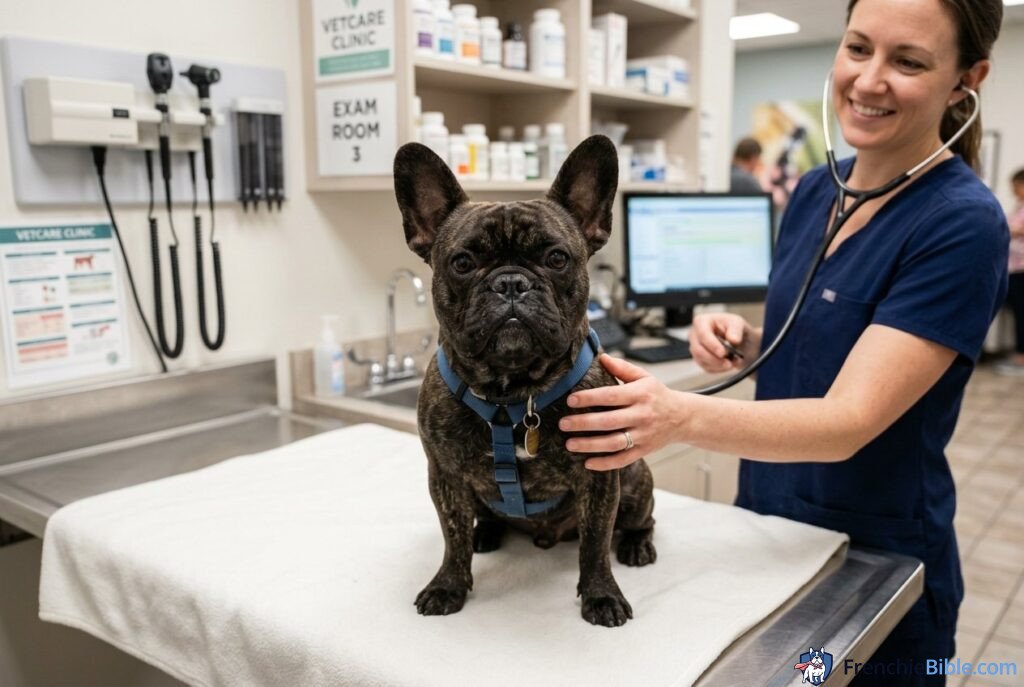
French Bulldogs are beloved worldwide for their charming personalities, signature bat-like ears, compact muscular builds, and incredibly affectionate nature. However, as any experienced breeder, rescue worker, or specialized veterinarian will readily attest, the Frenchie’s unique physical characteristics—particularly their adorable but moisture-trapping skin folds, along with specific genetic predispositions—make them highly susceptible to a wide variety of dermatological issues. Among the most frustrating, uncomfortable, misunderstood, and visually alarming skin conditions in French Bulldogs are mite infections, commonly referred to under the umbrella term “mange.”

Mite infestations are not merely a cosmetic nuisance; they are severe medical conditions that can cause profound physical and psychological suffering. These microscopic parasites can lead to agonizing and relentless itchiness, severe and widespread hair loss (alopecia), bleeding scabs, thickened leathery skin, massive exfoliation of dandruff, and chronic, deep-seated secondary bacterial or fungal infections. When a Frenchie’s skin becomes a battleground for these microscopic invaders, the result is a highly distressed dog and a deeply worried owner who may feel overwhelmed by the rapid deterioration of their pet’s coat and comfort.
Related Reading: Training & Behavior | Frenchie Puppy Guide | Best Food for Frenchies
The two primary culprits responsible for these devastating skin conditions in the canine world are Demodex canis (which causes Demodectic Mange) and Sarcoptes scabiei var. canis (which causes Sarcoptic Mange, also known as Canine Scabies).
While both of these conditions fall under the colloquial term “mange,” they are fundamentally different diseases in almost every respect. They differ vastly in their origins, their methods of transmission, their symptomatology, the specific locations they target on the dog’s body, and, crucially, their treatment protocols. Demodectic mange is intrinsically tied to an inherited or acquired deficiency within the dog’s immune system, making it a critical concern for ethical breeders and owners looking at the long-term health lineage of their dogs. It is an internal failure of the body to regulate its natural flora. Sarcoptic mange, on the other hand, is a highly contagious, intensely pruritic (itchy) external condition caused by an invasive parasite that can spread like wildfire through a multi-dog household, a boarding kennel, or a dog park, and can even temporarily infect the human family members living with the dog.
In this exhaustive, 3000+ word expert guide, we will delve deep into the microscopic world of canine mites from the specialized perspective of a French Bulldog expert. We will systematically explore the nuanced differences between Demodex and Sarcoptes, detailing exactly how to identify the subtle early warning signs—like specific types of dandruff, hyperpigmentation, and distinct scabbing patterns. We will walk you through the precise diagnostic procedures your veterinarian will use to identify the culprit, discuss the modern, gold-standard pharmaceutical treatments that have revolutionized mange eradication in the 21st century, and emphasize the critical role of holistic nutrition, bathing protocols, and immune support in preventing a devastating recurrence. By the end of this comprehensive article, you will be fully equipped with the expert knowledge needed to protect your Frenchie’s sensitive skin, advocate for proper veterinary care, and ensure your dog lives a comfortable, healthy, and itch-free life.
Understanding the Microscopic Invaders: What Exactly Are Mites?
To defeat the enemy, you must first understand it. Mites are microscopic arthropods, classifying them as close relatives to ticks, spiders, and scorpions. They are ubiquitous in the global environment, existing in soil, water, and on plants. Furthermore, highly specialized species of mites live symbiotically on the bodies of almost all mammals, including humans and domestic dogs, often going their entire lifecycle without ever causing a single clinical problem.

However, problems arise when the delicate physiological balance of the host’s skin ecosystem is disrupted, or when an aggressive, non-native, invasive species of mite is introduced to the host. In these scenarios, mites can reproduce exponentially. Depending on the species, they may burrow deep into the living tissue of the skin, colonize the hair follicles, or take over the sebaceous (oil-producing) glands.
For a French Bulldog, the skin is already an incredibly sensitive and vulnerable organ system. Their short, single-layered coat provides minimal physical protection against environmental irritants, allergens, and parasites. Furthermore, their genetic makeup often predisposes them to atopic dermatitis (environmental allergies triggered by pollen, dust mites, or mold) and food allergies. When a Frenchie’s immune system is chronically occupied fighting off benign environmental allergens, or if the immune system is inherently compromised due to poor genetics or severe stress, opportunistic mites seize the opportunity to proliferate out of control.
Why Are French Bulldogs Disproportionately Susceptible?
Several distinct anatomical and genetic factors make the French Bulldog particularly vulnerable to severe mite infestations compared to other breeds:
- Genetic Immune Deficiencies: The French Bulldog gene pool, unfortunately, carries a higher-than-average incidence of inherited immune system quirks. Specifically, many Frenchies have a localized cellular immune defect that makes it difficult for their bodies’ T-cells to recognize and suppress natural mite populations (like Demodex).
- Anatomical Skin Folds: The deep, characteristic wrinkles on a Frenchie’s face (the rope over the nose), neck, armpits, vulva, and their tightly curled tail pocket create dark, warm, and humid micro-environments. These areas lack airflow and are perfect, incubator-like breeding grounds for yeast (Malassezia) and bacteria (Staphylococcus). When these microbes overgrow, they break down the skin’s natural lipid barrier, causing inflammation and making it infinitely easier for mites to establish a stronghold and multiply.
- Short, Fine Coat: While a short coat is wonderfully easy to groom and maintain, it offers virtually zero physical barrier protection against the transfer of contagious mites (like Sarcoptes) from the environment or from direct contact with infected animals.
- High Stress Sensitivity: Frenchies are deeply emotional, sensitive, and highly attached companion dogs. They do not thrive in isolation or high-stress environments. Environmental stressors—such as sudden changes in the household, aggressive shipping or transport, the introduction of a new pet, or fighting an underlying illness (like a gastrointestinal infection)—can trigger a surge in cortisol. This stress hormone directly suppresses the immune system, acting as a catalyst that allows dormant mite populations to suddenly bloom into a full-blown infestation.
- Predisposition to Allergies: Because Frenchies are prone to allergies, their skin is often already in a state of chronic inflammation. Inflamed, micro-traumatized skin from scratching allergies provides an ideal, compromised landscape for mites to invade.
Understanding these breed-specific vulnerabilities is the absolute first step in proactive, lifelong prevention. Now, let us meticulously dissect the two main types of mite infections that plague this breed.
Demodectic Mange (Red Mange): The Enemy Within the Follicles
Demodectic mange, frequently referred to in historical texts and by breeders as “Red Mange” due to the severe, fiery inflammation it causes, is caused by the Demodex canis mite. What makes Demodex unique—and sometimes conceptually terrifying for dog owners to grasp—is that these microscopic, cigar-shaped mites are actually considered a normal, natural part of the canine skin’s microbiome. They live deep down within the hair follicles and the sebaceous (oil) glands of virtually all healthy dogs on the planet.
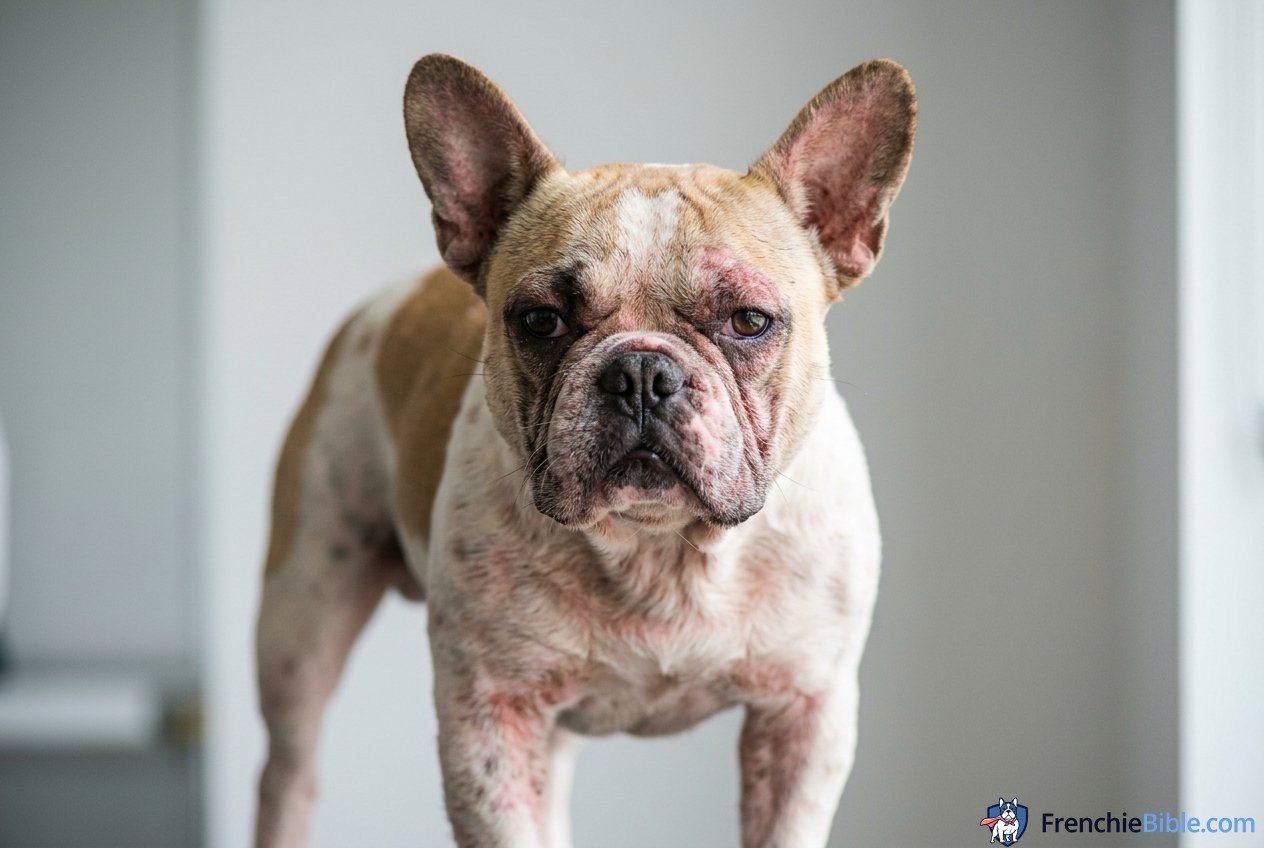
Under normal, healthy circumstances, a French Bulldog’s immune system recognizes these mites and keeps their population strictly controlled. In this balanced state, the mites cause absolutely no symptoms, no hair loss, no itching, and are completely harmless to the dog. However, when the immune system falters, experiences a temporary lapse, or is genetically defective, the mites reproduce rapidly. They overcrowd the hair follicles, leading to the physical swelling and eventual rupture of the follicle, which directly causes hair loss and severe, deep-tissue inflammation.
The Mechanism of Transmission for Demodex
It is crucial to understand that Demodex canis is not considered contagious in the traditional sense. You cannot catch Demodex from your dog, your children cannot catch it, and other healthy adult dogs in your household will not catch it simply by playing or sleeping with an infected Frenchie.
The transmission of Demodex mites occurs only once in a dog’s life: they are transferred directly from the mother (the dam) to her puppies during the first 72 hours of life while the puppies are intimately nursing and cuddling against her skin. Therefore, every puppy has Demodex mites. If a puppy later develops Demodectic mange, it is not because they “caught” a bug; rather, it is a clinical sign that their individual immune system is failing to appropriately respond to and manage this normal flora.
Clinical Classifications of Demodectic Mange
Veterinary dermatologists rigidly classify Demodectic mange into two primary categories based on the physical extent of the infection on the body, and further subdivide it by the age at which the dog develops the disease:
1. Localized Demodectic Mange
Localized demodex is the mildest and most common form, frequently seen in rapidly growing French Bulldog puppies, typically manifesting between the ages of 3 and 6 months. It usually presents as small, discrete, isolated patches of hair loss (alopecia).
- Common Locations: It almost always starts on the face, specifically around the lips, the corners of the mouth, or circling the eyes (creating a classic, easily identifiable “spectacle” or “goggles” appearance). It may also appear as a bald patch on the front legs or paws.
- Symptoms: You will notice one to five small, well-defined circular areas of hair loss. The skin within these bald patches may look slightly red (erythematous), mildly scaly, or it may develop a dark, grayish-black pigmentation (hyperpigmentation). Crucially, localized Demodex is usually not itchy unless a secondary bacterial infection has already set in.
- Prognosis and Treatment: The prognosis is generally excellent. In approximately 90% of healthy puppies, as their immune system rapidly matures during adolescence, it recognizes the overgrowth and resolves the localized infection entirely on its own without any medical intervention within 1 to 2 months. However, owners must monitor these spots vigilantly. If the spots multiply or spread, the condition is upgrading to the generalized form.
2. Generalized Demodectic Mange
Generalized demodex is a severe, systemic, and potentially life-threatening condition where the mite proliferation escapes all immune control and spreads aggressively across large portions of the dog’s body. It can affect dogs of any age, but its implications vary wildly depending on when it starts.
- Juvenile-Onset Generalized Demodex: This occurs in dogs under 18 months of age. This diagnosis almost universally indicates a specific, inherited genetic defect in the dog’s cell-mediated immune system. The dog’s body simply lacks the genetic programming to fight Demodex canis. Ethical, reputable breeders will absolutely never breed a French Bulldog that has suffered from juvenile-onset generalized demodex, as the genetic predisposition will undeniably be passed to the offspring, perpetuating the disease in the breed. Dogs that recover from this must be spayed or neutered.
- Adult-Onset Generalized Demodex: This occurs in mature dogs over 18 to 24 months of age who previously had healthy coats. This is considered a massive veterinary red flag. Adult-onset demodex is rarely a primary disease; rather, it means that a severe, hidden underlying systemic disease has catastrophically suppressed the dog’s once-healthy immune system. Veterinarians must immediately hunt for underlying causes, which frequently include hypothyroidism, Cushing’s disease (Hyperadrenocorticism), undiagnosed cancers (like lymphoma), or the iatrogenic (vet-caused) use of heavy immunosuppressive medications like prolonged steroids (prednisone) or immune-modulating allergy drugs like Apoquel or Cytopoint.
A Deep Dive into Demodex Symptoms: Scabs, Dandruff, and Beyond
When Demodex becomes generalized, the physical symptoms are devastating and completely ruin the dog’s coat and skin barrier:
- Profound and Widespread Alopecia: Large swaths of the body, including the entire trunk, all four legs, and the entire head, will lose hair. The coat may look moth-eaten, patchy, or entirely bald.
- Severe Erythema (Redness): The skin becomes bright red, hot to the touch, and severely inflamed.
- Comedones (Blackheads): Because the mites live in the hair follicles and oil glands, these pores become tightly plugged with thousands of mites, dead cellular debris, and trapped sebum, creating dense clusters of highly visible blackheads, particularly on the hairless areas of the abdomen and inner thighs.
- Follicular Casts (A Specialized Type of Dandruff): A unique, pathognomonic type of dandruff is seen with Demodex. If you look closely at the remaining hairs, you will notice tightly bound collars of keratin, wax, and debris clinging tightly to the base of the hair shafts right where they exit the skin. These are called follicular casts, and they look like tiny sleeves around the hairs.
- Crusts, Scabs, and Lichenification: As the millions of overstuffed hair follicles literally rupture beneath the skin’s surface, the skin tissue breaks down, leading to oozing serum and blood that dries into thick, hard scabs. Chronic inflammation causes the skin to thicken and wrinkle like elephant skin, a process called lichenification.
- Secondary Deep Pyoderma (The Real Danger): This is the most dangerous and painful complication of Demodex. Opportunistic Staphylococcus bacteria from the skin’s surface invade the deep, ruptured hair follicles, causing deep, incredibly painful, pus-filled boils (furuncles), severe tissue swelling (cellulitis), and constant bleeding. The dog may become lethargic, depressed, run a high fever, lose their appetite, and have significantly enlarged, reactive lymph nodes. It is only at this stage of secondary bacterial infection that Demodex becomes intensely painful and extremely itchy.
Sarcoptic Mange (Canine Scabies): The Relentless, Contagious Itch
While Demodex is fundamentally an internal immune system failure, Sarcoptic Mange is a violent external invasion. Caused by the highly mobile, spider-like Sarcoptes scabiei var. canis mite, this condition is aggressively contagious and induces an extreme allergic hypersensitivity reaction that results in some of the most intense, frantic itching seen in the field of veterinary dermatology.
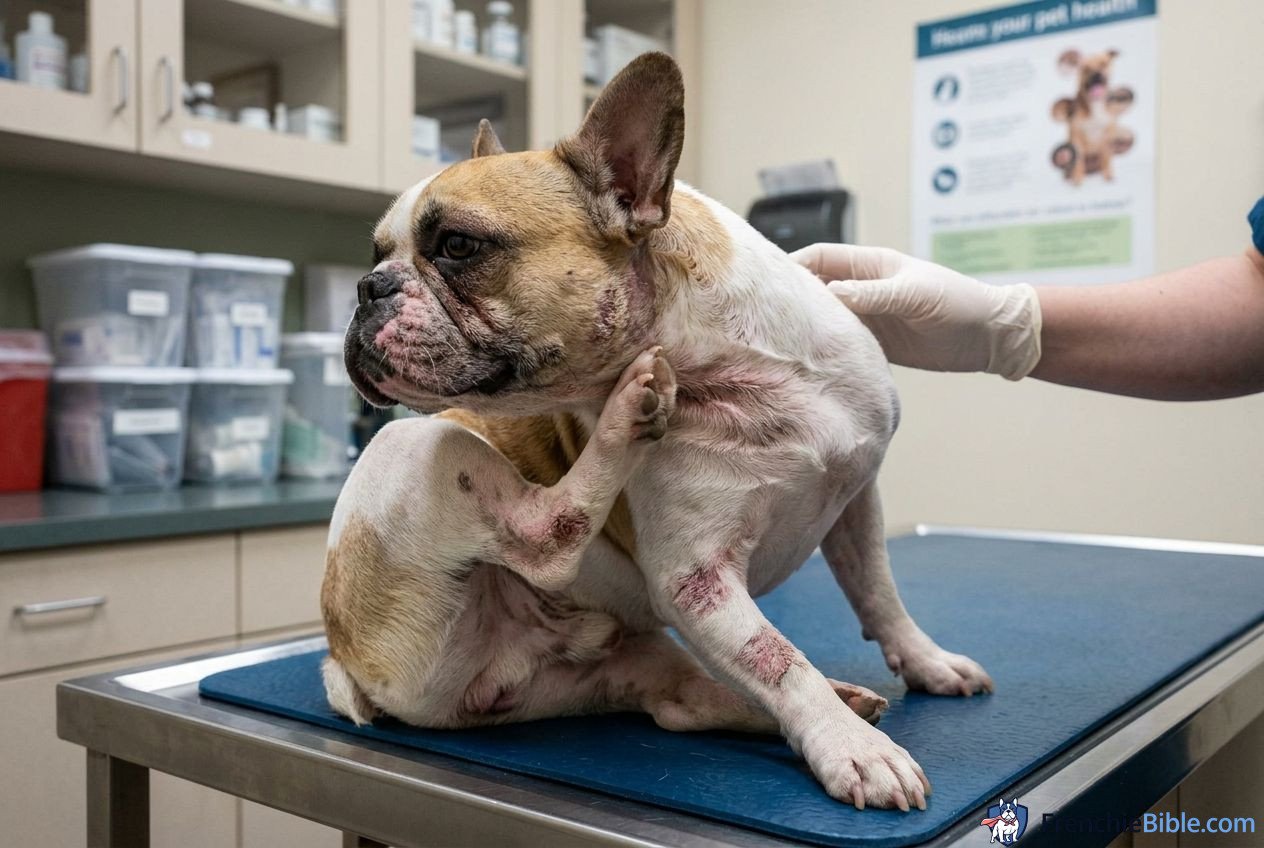
Unlike Demodex mites that live relatively passively in deep hair follicles, Sarcoptes mites are active, destructive parasites that physically excavate tunnels and burrow deep into the stratum corneum (the upper layers) of the dog’s epidermis. The female mites aggressively tunnel through the living skin tissue, leaving behind a toxic trail of laid eggs, molted exoskeletons, and highly allergenic feces (scybala). It is not just the physical movement of the mite, but the dog’s severe, systemic allergic reaction to the mite’s saliva and excrement that causes the catastrophic, maddening symptoms.
Transmission Vectors and Zoonotic Potential
Sarcoptic mange is highly and aggressively contagious. A French Bulldog can contract it instantly through direct physical contact with an infected dog at a park, daycare, or training class. Furthermore, they can contract it indirectly by walking through or rolling in areas where infected wildlife (particularly urban foxes or coyotes) or stray dogs have recently rested. The mites are hardy and can survive off the host in the environment (such as on shared dog bedding, grooming salon brushes, or kennel floors) for 36 to 48 hours at normal room temperatures.
- Human Transmission (Zoonosis): It is vital for owners to know that Sarcoptes scabiei is a zoonotic parasite, meaning it can jump across species lines and be transmitted to humans. However, there is a silver lining: the specific canine variety of this mite cannot complete its full reproductive life cycle on a human host. If you cuddle, sleep with, or carry your infected Frenchie, the mites will transfer to you and bite. You will likely develop an intensely itchy, bumpy, red rash, typically localized to areas of direct contact like your forearms, waistline, or chest. However, the infection is “self-limiting” in humans. The mites will die off on human skin within two to three weeks, and the rash will resolve on its own, provided you effectively cure the dog to stop re-exposure.
Defining Symptoms of Sarcoptic Mange: The Itch That Drives Dogs Mad
The absolute, defining hallmark of Sarcoptic mange is an itch so overwhelmingly severe that it entirely dominates the dog’s existence. The dog cannot sleep, eat, or play; they will frantically bite, chew, scratch, and mutilate themselves, leading to severe self-induced trauma.
- Intense, Frantic Pruritus (Itching): Veterinarians often rate the Sarcoptes itch as a 10/10 severity. It is a frantic, desperate itch. Crucially, this itch rarely, if ever, responds to typical anti-itch veterinary medications like antihistamines, and it barely responds to standard anti-inflammatory doses of corticosteroids. If your dog is itching frantically and Apoquel isn’t touching it, Sarcoptes must be considered.
- Specific Location of Lesions: While Demodex often starts on the face, Sarcoptes mites vastly prefer areas of the dog’s body with less hair and thinner skin. The classic, textbook presentation involves severe crusting on the ear margins (the very outer edges of the ear flaps), the point of the elbows, the hocks (the back of the ankles), the armpits (axillae), and the ventral abdomen (the hairless part of the belly).
- Thick Crusting and Scabbing: The physical damage from the burrowing mites, combined with the dog’s violent scratching, results in the rapid formation of thick, crusty, yellowish-to-gray scabs. The ear margins often become incredibly thickened, crusty, and may crack and bleed when folded.
- Severe Dandruff and Massive Exfoliation: As the top layer of the epidermis is continually destroyed and inflamed, the dog’s skin will turn over at an accelerated rate. This results in the dog shedding massive amounts of loose, flaky white skin (dandruff) everywhere they go.
- Excoriations (Scratch Marks): You will visibly see long, bloody scratch marks and raw abrasions caused by the dog’s own claws desperately trying to relieve the itch.
- Rapid Secondary Infections: The constant scratching tears open the skin barrier, introducing surface bacteria (Staphylococcus) and yeast (Malassezia) into the open wounds. This rapidly exacerbates the foul odor, the pain, and the systemic inflammation.
Demodex vs. Sarcoptes: The Diagnostic Differentiators at a Glance
For a French Bulldog owner observing their dog at home, telling the difference between these two conditions can be daunting, but there are distinct clinical clues a dermatological specialist looks for before even running a diagnostic test.
| Clinical Feature | Demodectic Mange (Red Mange) | Sarcoptic Mange (Canine Scabies) |
|---|---|---|
| Primary Underlying Cause | Genetic immune defect / Severe systemic illness | Contagious environmental parasite exposure |
| Is it Contagious? | No (Except mother to newborn nursing pup) | Yes, highly contagious (to dogs, foxes, and humans) |
| Primary Symptom (Itch Level) | Usually mild or completely absent initially. Only becomes itchy if a secondary bacterial infection develops later. | Extreme, relentless, frantic itching from day one. |
| Initial Target Locations | Face (around eyes/lips/muzzle), front legs, can later spread to the entire trunk. | Ear margins, points of elbows, hocks, armpits, and groin/belly. |
| Visual Skin Appearance | Bright redness, blackheads (comedones), follicular casts on hairs, deep bloody, pus-filled boils if infected. | Thick yellow/gray crusts, massive loose flaky dandruff, raw bloody scratch marks, thickened ear edges. |
| Response to Steroids (Cortisone) | Disastrous. Steroids suppress the immune system further, causing the Demodex mites to explode in numbers, worsening the condition exponentially. | May temporarily and very slightly reduce the allergic itch, but completely fails to cure the disease. |
Diagnosing Mite Infections: What to Expect During the Veterinary Workup
Because the pharmaceutical treatments for Demodex, Sarcoptes, ringworm, and severe bacterial skin infections vary so drastically—and because using the wrong treatment can make the dog worse—an accurate, definitive diagnosis by a licensed veterinarian is absolutely non-negotiable. Trying to guess at home and utilizing holistic or over-the-counter remedies while a mite infection ravages your dog can lead to disastrous, permanent scarring and suffering for a Frenchie.
The Diagnostic Procedures
Veterinarians utilize a specific set of tools to hunt for these microscopic invaders:
- Deep Skin Scrapings (The Test for Demodex): Because Demodex mites live deep down inside the hair follicles and oil glands, a simple swab won’t find them. The veterinarian must use a dull scalpel blade and aggressively scrape the skin, squeezing the tissue to extrude the contents of the hair follicles. They must scrape until capillary oozing occurs (the skin looks slightly raw and bleeds slightly). This is uncomfortable but necessary. The scraped material is mixed with mineral oil on a glass slide and examined under a microscope to look for the distinctive cigar-shaped adult Demodex mites, their eight-legged nymphs, or their spindle-shaped eggs. To rule out generalized Demodex, multiple sites (at least 3 to 5) on the dog’s body must be deeply scraped.
- Superficial Skin Scrapings (The Test for Sarcoptes): Sarcoptes mites live in the very uppermost layer of the skin. Therefore, the vet performs broad, superficial, sweeping scrapings over large areas of crusty skin, particularly focusing on the ear margins or elbows. However, there is a massive caveat: Sarcoptes mites are incredibly secretive, highly mobile, and notoriously difficult to catch on a slide. A negative skin scrape absolutely does not rule out Sarcoptic mange. Veterinary dermatologists often joke that finding a Sarcoptes mite on a skin scrape is akin to winning the lottery. You can scrape a dog with Sarcoptes ten times and get ten negative results.
- Hair Plucks (Trichogram): Using forceps, the vet will pluck a clump of hairs from the root, usually from an area of active hair loss, and examine the hair bulbs under a microscope. This technique can sometimes reveal Demodex mites that are tightly clinging to the base of the hair shaft, and it is less invasive than a deep scrape, making it useful for sensitive areas like around the eyes.
- The Pinnal-Pedal Reflex Test: This is a surprisingly accurate physical neurological test used to hint at Sarcoptic mange. The veterinarian will take the margin of the dog’s ear flap (the pinna) and vigorously rub it back and forth between their thumb and index finger. If the dog reflexively and involuntarily starts violently scratching the air with its hind leg (the pedal reflex), there is an estimated 80% to 90% statistical probability that the dog has Sarcoptic mange.
- Diagnostic Therapy (The Treatment Trial): Because Sarcoptes is so incredibly hard to find microscopically, veterinarians often rely on “diagnostic therapy.” If the dog’s clinical signs fit perfectly (extreme frantic itch, crusty ear margins, elbow lesions), and the pinnal-pedal reflex is positive, the vet will simply prescribe a highly effective treatment to kill Sarcoptes, even without seeing a mite on the microscope. If the dog’s frantic itching dramatically stops within a week of taking the medication, the diagnosis of Sarcoptic mange is retrospectively confirmed.
- Skin Cytology: Pressing a piece of clear acetate tape or a glass microscope slide directly onto the dog’s oozing skin, staining the cells with specialized dyes, and looking at it under high magnification. This does not look for mites; rather, it looks for the secondary invaders. It allows the vet to determine if the dog has a Staphylococcus bacterial infection (cocci) or a Malassezia yeast infection, dictating exactly which antibiotics or antifungals are needed.
- Comprehensive Blood Panels and Thyroid Testing: This is absolutely mandatory for any adult French Bulldog (over 2 years old) diagnosed with generalized Demodex. The vet must draw blood to run a complete blood count (CBC), a biochemical profile, and a full thyroid panel (T4/Free T4) to hunt down the underlying disease (like hypothyroidism or Cushing’s) that caused the immune system to crash in the first place.
The Modern Gold Standard: Eradicating Mites and Curing the Skin
Historically, treating any form of mange was a toxic, expensive, and incredibly labor-intensive nightmare. It often involved bathing the dog in foul-smelling, highly poisonous agricultural chemical dips (like Amitraz) performed weekly in a veterinary clinic for months on end. Fortunately, veterinary pharmacology has advanced tremendously in the last decade, completely revolutionizing the treatment and prognosis of both Demodectic and Sarcoptic mange.
The Era of Isoxazolines: The Ultimate Mite Killers
The absolute gold standard, first-line treatment for both Demodectic and Sarcoptic mange today is the off-label (and increasingly, officially on-label) use of Isoxazoline-class systemic parasiticides. These are the modern oral chewable tablets or topical liquids that you likely already know as premium flea and tick preventatives. However, dermatologists discovered that they are spectacularly, almost miraculously effective against mites.
These medications work systemically. When the dog eats the chew, the medication enters the bloodstream and distributes to the skin tissue. When the mites feed on the dog’s tissue or fluids, they ingest the isoxazoline, which aggressively attacks the invertebrate nervous system of the mite, causing rapid paralysis and death. They are incredibly safe for mammals because mammalian nervous systems are structured differently.
- Bravecto (Fluralaner): Often administered as a single, highly palatable oral chew, providing a massive 12 weeks of continuous systemic protection. A single dose is frequently enough to completely cure Sarcoptic mange. For severe generalized Demodex, two doses (given exactly 12 weeks apart) usually achieve a 100% cure rate.
- NexGard (Afoxolaner): An oral beef-flavored chew given once every 30 days. It may require 2 to 4 consecutive monthly doses to clear Demodex.
- Simparica (Sarolaner): An oral chew given once a month. Highly effective for rapid mite clearance.
- Credelio (Lotilaner): Another highly effective monthly oral chew in this class.
Important Veterinary Caveat: While isoxazolines are remarkably safe for the vast majority of dogs, they belong to a class of drugs that can lower the seizure threshold. Therefore, they must be used with extreme caution—or avoided entirely—in French Bulldogs with a known prior history of epilepsy, seizures, or severe neurological disorders. Your veterinarian will carefully assess the risk-to-benefit ratio.
Alternative and Legacy Treatment Protocols
If a specific Frenchie cannot medically tolerate isoxazolines due to a history of seizures, veterinarians have other effective tools in their arsenal:
- Advantage Multi (Moxidectin/Imidacloprid): This is a topical liquid applied to the skin on the back of the dog’s neck. For treating active mange, dermatologists will often prescribe it to be applied “off-label” every 2 weeks, rather than the standard monthly flea dose. It is FDA-approved and highly effective for Sarcoptic mange and does an excellent job managing Demodex.
- Ivermectin: Historically the holy grail of mange treatment. It requires the owner to use a syringe to squirt liquid cow/swine Ivermectin into the dog’s mouth every single day for 2 to 4 months. While very effective and inexpensive, it carries a much higher risk of severe neurological toxicity if accidentally overdosed, making it vastly less favorable than the safety profile of modern isoxazolines.
- Amitraz (Mitaban) Dips: An extremely toxic, noxious chemical dip that requires the dog to be clipped bald and sponged down in a well-ventilated veterinary facility every two weeks. It is highly stressful for the dog, causes severe lethargy, and is dangerous for the human applying it. With the advent of isoxazolines, Amitraz is rarely, if ever, used in modern veterinary dermatology and is considered an archaic last resort.
Curing the Collateral Damage: Treating Scabs, Dandruff, and Secondary Infections
Killing the mites is, ironically, the easiest part of the process today. The harder battle is healing the warzone of damaged skin, massive crusts, and rampant bacterial infections left behind by the dying mites.
- Aggressive Systemic Antibiotics: For severe scabbing, oozing bloody sores, and deep pyoderma (bacterial infection in the deep skin layers), aggressive oral antibiotic therapy is absolutely required. Based on culture and sensitivity laboratory tests, your vet will prescribe targeted antibiotics (like Cephalexin, Clavamox, Clindamycin, or Simplicef). Crucial Rule: These antibiotics must often be given for 4 to 8 consecutive weeks. Owners must never stop the antibiotics early just because the skin “looks better.” Deep follicular infections take a very long time to fully eradicate from the inside out.
- Antifungal Medications: If the skin cytology reveals a severe secondary yeast infection (Malassezia), which causes the skin to smell like old corn chips and turn greasy and black, oral systemic antifungals like Ketoconazole or Terbinafine may be prescribed for several weeks.
- Prescription Medicated Bathing: Frequent, therapeutic bathing is a critical pillar of recovery. It physical flushes dead mites out of the pores, softens and removes thick crusts, washes away massive dandruff, and directly kills surface bacteria.
- Benzoyl Peroxide Shampoo (e.g., Pyoben or Davis Benzoyl Peroxide): This is the absolute best, scientifically proven shampoo for Demodex. It exhibits a unique “follicular flushing” action, meaning it chemically penetrates deep down into the hair follicles to dissolve sebum, flush out bacteria, and wash away the dead mites plugging the pores. It is also excellent at breaking down thick scabs.
- Chlorhexidine 4% Shampoo (e.g., Douxo S3 Pyo, Malaseb): Excellent for killing surface staph bacteria and yeast while soothing the inflamed skin.
- The Bathing Protocol: During the acute, severe phase of the disease, bathing the dog every 3 to 5 days is often recommended. The most important step is contact time: you must lather the dog and leave the suds on the skin for 10 full minutes before rinsing, or the medication will not work.
- Anti-Itch Support (Exclusively for Sarcoptes): Because Sarcoptes causes such maddening, life-altering itch, short-term relief is necessary to prevent the dog from mutilating itself while waiting for the isoxazolines to kill the mites. Your vet may prescribe a short course of Apoquel, a Cytopoint injection, or very short, tapering courses of oral corticosteroids to give the dog peace. (Warning: Corticosteroids must NEVER, EVER be given to a dog diagnosed with Demodex, as it will catastrophically crash their immune system and cause the Demodex to multiply out of control, potentially endangering the dog’s life).
Holistic Support, Nutrition, and Home Care Strategies for Frenchies
Pharmaceutical medical intervention is mandatory to kill the mites, but supporting your French Bulldog’s body holistically from the inside out is essential for rebuilding the broken skin barrier, regrowing a healthy coat, and preventing catastrophic relapses (especially crucial for immune-mediated Demodex).
Advanced Nutritional Therapy for Skin Health
A dog fighting a generalized skin infection and regrowing a full coat is under massive metabolic and nutritional stress. Their diet must provide the dense building blocks required for rapid cellular repair and immune system regeneration.
- High-Quality, Bioavailable Protein: The skin and hair coat utilize a massive 30% of the dog’s daily protein intake. Ensure your Frenchie is eating a premium, meat-first diet with highly digestible animal proteins. Now is not the time for cheap fillers or vegan diets.
- Therapeutic Doses of Omega-3 Fatty Acids: High doses of marine-sourced Omega-3s (specifically EPA and DHA found in Salmon oil, Krill oil, or Sardine oil) are potent, natural systemic anti-inflammatories. They help reduce skin redness, naturally soothe itching, and crucially, they rebuild the lipid barrier of the skin, thereby drastically reducing dandruff, flakiness, and transepidermal water loss.
- Zinc and Vitamin E: Both are critical micronutrients for skin healing, cellular turnover, and immune function. Consult your vet about a high-quality skin and coat supplement containing these.
- Probiotics and Microbiome Health: Over 70% of a dog’s entire immune system physically resides in their gastrointestinal tract. Because mange treatments require the heavy, prolonged use of broad-spectrum antibiotics, the dog’s beneficial gut microbiome will be completely decimated. Supplementing daily with high-quality, canine-specific probiotics (containing strains like Enterococcus faecium or Bifidobacterium) is vital to rebuild their foundational immunity and prevent future Demodex flares once the medication stops.
Critical Environmental Management
- For Sarcoptic Mange: Because Sarcoptes is so aggressively contagious, you must immediately decontaminate the dog’s environment to prevent re-infection. Wash all dog beds, blankets, soft toys, fabric collars, and your own bed sheets in the hottest water possible and dry them on the highest heat setting. Vacuum all carpets, rugs, and fabric upholstery thoroughly, and empty the vacuum canister into an outside trash can immediately. Crucial Step: You must treat all other dogs and cats in the household concurrently with an approved preventative, even if they aren’t showing a single symptom yet.
- For Demodectic Mange: Environmental decontamination is entirely unnecessary since Demodex dies quickly off the host and is not contagious to other pets or humans. However, stress reduction is absolutely critical. Create a calm, quiet, predictable, and highly positive environment for your Frenchie. Minimize travel, boarding, or major routine changes while they recover.
What NOT to Do: The Lethal Danger of “Home Remedies”
The internet, particularly social media groups, is rife with anecdotal, dangerous, and sometimes lethal home remedies for treating mange in dogs. as a French Bulldog expert and breeder, I must issue a stern warning: Do not use them.
- Never use Motor Oil or Burnt Oil: This is an archaic, highly toxic rural myth. Slathering a dog in motor oil will not suffocate the mites; it will poison your dog through dermal absorption, causing liver failure, kidney failure, and potentially death.
- Never use Borax and Hydrogen Peroxide: This harsh chemical combination is frequently touted online. It is incredibly caustic, will bleach your dog’s coat, chemically burn their already inflamed and raw skin, and cause massive, agonizing irritation.
- Avoid Heavy Application of Coconut Oil or Vaseline: While a tiny dab of coconut oil on a dry nose is fine, slathering a mange-infected dog in heavy oils or petroleum jelly is disastrous. It traps body heat, tightly clogs the hair follicles (exacerbating Demodex), and provides a dark, moist, lipid-rich food source for secondary yeast (Malassezia) infections to explode.
Long-Term Prevention: Keeping Your French Bulldog Mite-Free for Life
Preventing a recurrence depends entirely on understanding which specific mite caused the problem in the first place.
Preventing Sarcoptic Mange:
Prevention here is straightforward and highly effective. Keep your French Bulldog on a strict, year-round, vet-approved Isoxazoline preventative (like NexGard, Simparica, or Bravecto). If they are continuously protected by these medications, any stray Sarcoptes mite that jumps onto them from a fox in the yard or a dog at the park will ingest the medication and die before it can establish a burrowing infection or cause a reaction. Additionally, avoid letting your dog interact closely with wildlife or heavily matted stray dogs with obvious skin disease.
Preventing Demodectic Mange:
Because Demodex is intrinsically linked to the dog’s internal immune function, prevention requires a much more complex, holistic approach.
1. Strict, Ethical Breeding Practices: The single most important preventative measure for the breed as a whole is ethical breeding. Dogs that develop juvenile-onset generalized Demodex must be immediately removed from breeding programs and spayed or neutered. They should never be bred, nor should their parents ever be paired together again.
2. Avoid Iatrogenic Immunosuppression: Work closely with your vet to avoid the unnecessary or prolonged use of systemic steroids (like prednisone or dexamethasone) for minor seasonal allergies, as these drugs severely suppress the immune system and can trigger a massive Demodex flare in an otherwise stable dog.
3. Manage Underlying Illnesses Vigilantly: If your adult Frenchie develops Demodex, you must aggressively diagnose and manage the underlying cause (like treating the hypothyroidism with daily thyroxine) to restore their overall immune competence.
4. Continuous Parasite Control: Keep the dog on routine monthly isoxazoline preventatives. Even though Demodex isn’t contagious, the medication will act as an insurance policy, continuously keeping the natural Demodex population suppressed to zero, taking the burden off the dog’s immune system.
5. Maintain Flawless Skin Hygiene: Clean your Frenchie’s deep facial folds, tail pockets, and paws regularly (every 2-3 days) with veterinary-grade chlorhexidine wipes. This prevents bacterial and yeast overgrowth in the dark crevices, which keeps the local skin immune barrier strong and resilient against mite proliferation.
Frequently Asked Questions (FAQ)
1. Can my French Bulldog die from a mite infection?
Directly from the microscopic mites themselves, no. However, a French Bulldog absolutely can die from the severe secondary complications of untreated generalized Demodectic mange. The millions of ruptured hair follicles lead to massive, deep staphylococcal bacterial infections. If left untreated by a vet, this aggressive bacteria can enter the bloodstream, causing systemic septicemia (blood poisoning), which is rapidly fatal. Therefore, aggressive veterinary intervention with antibiotics and mite-killers is essential to save the dog’s life.
2. How long does it actually take to cure mange in a Frenchie?
Patience is the most important tool an owner can have. Sarcoptic mange responds very rapidly to isoxazolines; you will typically see a massive, life-changing reduction in their frantic itching within 3 to 7 days, and hair regrowth usually begins in 3 to 4 weeks. Generalized Demodectic mange, however, is a grueling marathon. It often takes 3 to 6 months of continuous, uninterrupted treatment (including treating the deep, stubborn bacterial infections) to achieve a complete clinical cure. Veterinarians require two consecutive negative deep skin scrapes, taken 3 to 4 weeks apart, before officially declaring the dog cured and stopping medication.
3. Is it safe or ethical to breed a French Bulldog that has recovered from Demodex?
Absolutely not, if they suffered from Generalized Demodex. Juvenile-onset generalized Demodex has a strong, scientifically proven genetic link to a specific cellular immune system defect. Breeding a dog who recovered from this condition—even if they look perfectly healthy now—guarantees passing that defective immune system genetics to the next generation, perpetuating misery and suffering in the French Bulldog breed. A dog who had a very minor, transient case of localized puppy demodex (one or two small spots that resolved completely on their own without harsh medication) may be evaluated on a strict case-by-case basis by a veterinary reproductive specialist, but extreme caution is always advised.
4. Why is my Frenchie so flaky and full of massive dandruff even after starting the mite treatment?
While it looks alarming, the massive amount of dandruff seen during the first few weeks of recovery is actually a fantastic sign! It means the medication is working and the skin is turning over and healing. The dead top layers of the epidermis, which were destroyed by the burrowing mites, toxins, and inflammation, must physically be shed to make way for the new, healthy skin growing underneath. Think of it like a snake shedding a damaged skin. Regular medicated baths will help gently remove this exfoliating dead tissue and soothe the new skin.
5. Can I just use human scabies treatment (like Permethrin creams) from the pharmacy on my dog?
No, absolutely not. Human topical treatments are specifically formulated for human skin thickness, absorption rates, and pH levels. Using human permethrin creams on a dog can result in completely ineffective treatment, or conversely, severe toxic overexposure. Always use canine-specific prescription systemic medications provided by your veterinarian. Furthermore, a crucial warning: many over-the-counter human scabies treatments (and some canine topical flea treatments) contain high concentrations of Permethrin, which is highly and lethally toxic to cats. If you have cats in the home, using permethrin products on your dog or in your house could kill your feline companions.
Conclusion: Restoring Your Frenchie’s Health and Happiness
Mite infections—whether it is the genetic, internal betrayal of Demodex or the highly contagious, violent onslaught of Sarcoptes—are visually horrifying, deeply frustrating, and agonizingly uncomfortable for your French Bulldog. The sudden appearance of massive, bleeding scabbing, raw scratch marks, bald patches, and snowstorm-like dandruff can easily send any dedicated owner into a panic.
However, armed with the specialized knowledge of modern veterinary dermatology, these conditions are no longer the automatic death sentences, reasons for euthanasia, or chronic, lifelong nightmares they once were decades ago. The advent of isoxazoline systemic treatments has completely revolutionized our ability to rapidly, safely, and effectively eradicate these parasites from our pets. By understanding the subtle early symptoms, partnering immediately with a knowledgeable veterinarian for accurate microscopic diagnostics, strictly adhering to the prescribed medication and bathing protocols, and providing robust, high-quality nutritional support, you can successfully guide your beloved Frenchie through the worst of a mange infection. With time, patience, and proper care, you will restore their coat to its beautiful, healthy, and perfectly itch-free glory.
Disclaimer: We are not veterinarians and do not hold veterinary medical licenses. The information provided in this article is based on years of breeding and daily care experience and is for educational purposes only. It should not replace professional veterinary advice. Always consult with a licensed veterinarian if you have concerns about your French Bulldog’s health or before starting any new treatment.