
Disclaimer: The information provided in this article is for educational purposes only and should not replace professional veterinary advice. Always consult your veterinarian before introducing any new supplements to your French Bulldog’s diet.
Welcome, fellow French Bulldog lovers! As a specialist veterinarian and long-time breeding expert dedicated exclusively to Frenchies, I’ve seen countless owners struggle with the same burning question: “Does my French Bulldog really need supplements?”
Related Reading: Training & Behavior | Frenchie Puppy Guide | Best Food for Frenchies
You want the absolute best for your bat-eared companion, and walking down the pet store aisle or browsing online can be overwhelming. There are shelves packed with fish oil, joint support chews, multivitamins, and probiotics, all promising to give your dog a longer, healthier life. But are these products a necessity, or just a clever marketing ploy?
French Bulldogs are a unique breed. They have quirky personalities, adorable smushed faces, and, unfortunately, a predisposition to a specific set of health challenges. From sensitive skin and sensitive stomachs to joint issues like Intervertebral Disc Disease (IVDD) and hip dysplasia, their anatomical structure requires special care.
In this comprehensive guide, we will dive deep into the world of canine supplements. We’ll separate fact from fiction, exploring whether fish oil, chondroitin, vitamins, and other popular supplements are truly beneficial for your Frenchie. By the end of this article, you will have a clear, science-backed understanding of how to optimize your French Bulldog’s nutrition and health.
Understanding the Unique Health Profile of French Bulldogs
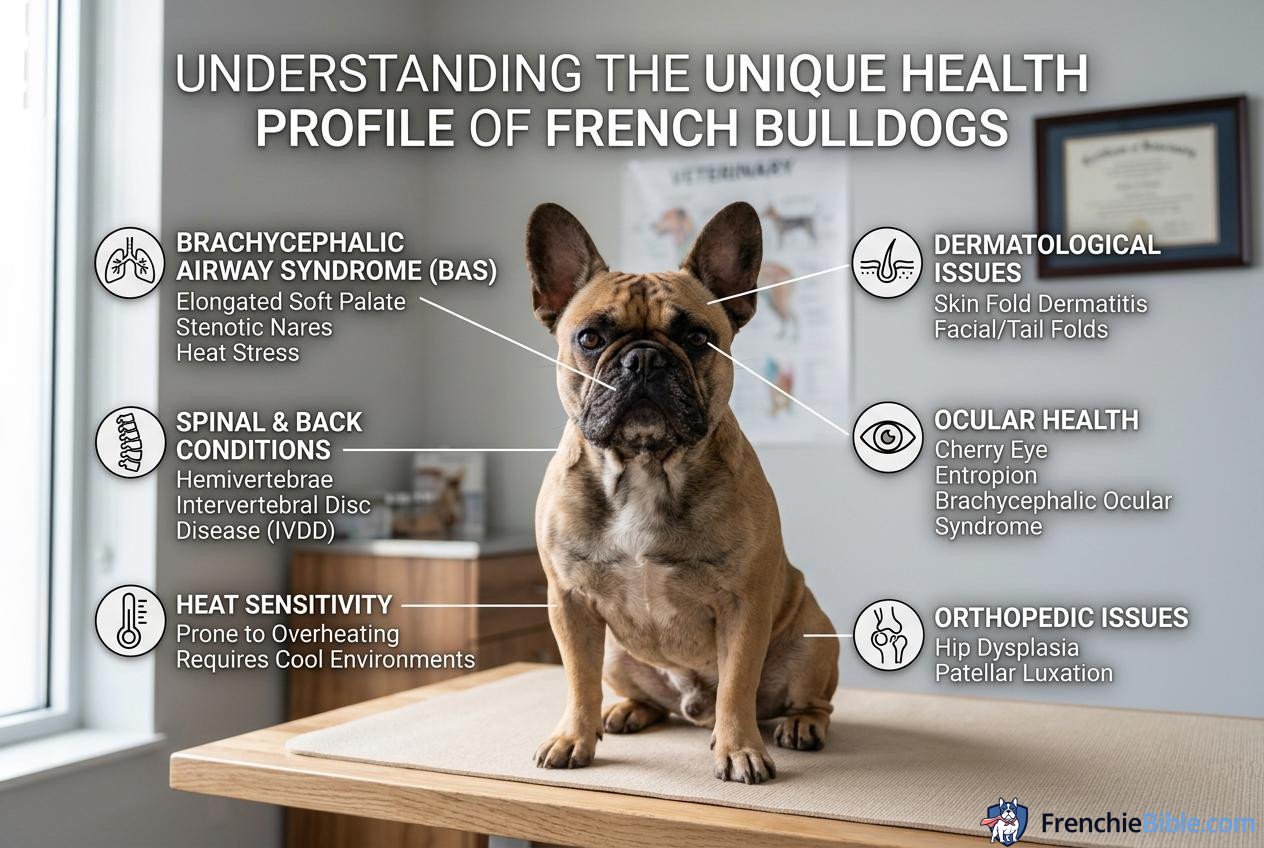
Before we can answer whether your Frenchie needs supplements, we must first understand why they might need them. French Bulldogs are a brachycephalic (flat-faced) and chondrodystrophic (dwarf-like with short legs and a long back) breed. These physical traits, while incredibly cute, come with structural and systemic vulnerabilities.
The Genetic Predispositions
- Skin and Coat Sensitivities: Frenchies are notorious for environmental and food allergies. They often suffer from dry, itchy skin, hot spots, and recurring ear infections. Their adorable skin folds can also trap moisture and bacteria, leading to dermatitis.
- Joint and Spinal Vulnerabilities: Due to their chondrodystrophic build, their spines are under constant stress. They are highly susceptible to IVDD (Intervertebral Disc Disease), patellar luxation (slipping kneecaps), and hip dysplasia.
- Digestive Issues: Frenchies have notoriously sensitive stomachs. Flatulence (yes, the famous Frenchie farts!), loose stools, and food intolerances are common complaints among owners.
- Brachycephalic Airway Syndrome (BOAS): Their compromised airways mean they cannot pant efficiently to cool down or exercise vigorously. This makes maintaining an optimal weight absolutely critical, as obesity exacerbates breathing problems and puts extra strain on their joints.
Given these breed-specific challenges, standard commercial dog food—even the high-quality ones—might not always provide the targeted therapeutic support a Frenchie needs to thrive. This is where strategic, high-quality supplementation comes into play.
Fish Oil for French Bulldogs: The Ultimate Elixir for Skin and Joints
If I had to recommend only one supplement for a French Bulldog, it would be high-quality fish oil. The benefits of Omega-3 fatty acids (specifically EPA and DHA) for this breed are profound and well-documented.
Why Omega-3s are Crucial
Dogs cannot produce essential fatty acids on their own; they must obtain them through their diet. While most commercial dog foods contain Omega-6 fatty acids (usually from poultry fat or vegetable oils), they often lack sufficient Omega-3s. This creates an imbalance that can promote inflammation in the body.
The Benefits of Fish Oil for Frenchies
- Soothing Skin Allergies and Itchiness: EPA and DHA are powerful natural anti-inflammatories. For a Frenchie suffering from atopic dermatitis or environmental allergies, fish oil can significantly reduce itching, redness, and inflammation. It helps strengthen the skin barrier, making it more resilient against allergens.
- Promoting a Glossy, Healthy Coat: If your Frenchie’s coat is dull or they are shedding excessively, fish oil can work wonders. It nourishes the hair follicles from the inside out, resulting in a softer, shinier coat.
- Joint Support and Arthritis Relief: The anti-inflammatory properties of Omega-3s also extend to the joints. For older Frenchies or those with early signs of arthritis or hip dysplasia, fish oil helps reduce joint inflammation, alleviating pain and improving mobility.
- Heart and Cognitive Health: DHA is essential for brain development in puppies and cognitive function in senior dogs. Omega-3s also support cardiovascular health, which is vital for a breed prone to breathing difficulties.
Choosing the Right Fish Oil
Not all fish oils are created equal. Avoid generic “fish oil” and look for products specifically sourced from wild-caught, small-body fish like sardines, anchovies, or krill. These fish are lower on the food chain and accumulate fewer heavy metals and toxins. Always ensure the product has been third-party tested for purity and potency.
Veterinary Tip: Introduce fish oil gradually. Too much too soon can lead to loose stools in their sensitive tummies.
Joint Supplements: Glucosamine, Chondroitin, and MSM
Because of their unique skeletal structure—short legs supporting a heavy, muscular body—your French Bulldog’s joints and spine endure a lot of wear and tear. Joint supplements are not just for senior dogs; for Frenchies, they are an excellent preventative measure.
Understanding the Ingredients
- Glucosamine: A natural compound found in healthy cartilage. It helps repair damaged cartilage and stimulates the production of synovial fluid, which lubricates the joints.
- Chondroitin (Chondroitin Sulfate): Often paired with glucosamine, chondroitin is a major component of cartilage that helps it retain water and elasticity. It also inhibits the enzymes that break down cartilage in the joints.
- MSM (Methylsulfonylmethane): A natural sulfur compound with potent anti-inflammatory and pain-reducing properties. It works synergistically with glucosamine and chondroitin to improve joint flexibility and reduce pain.
Do Frenchies Really Need Them?
In my professional opinion: Yes, highly recommended.
While a young, healthy Frenchie might not show signs of joint pain, the wear and tear is happening micro-structurally. By the time they reach 4 or 5 years old, many Frenchies begin to show signs of stiffness or arthritis.
Starting a high-quality joint supplement containing glucosamine, chondroitin, and MSM around the age of 1 to 2 years can act as an “insurance policy” for their joints. It helps maintain cartilage integrity, delays the onset of osteoarthritis, and supports spinal health—crucial for preventing devastating conditions like IVDD.
What About Green-Lipped Mussel?
You might also see “Green-Lipped Mussel” (GLM) in premium joint supplements. GLM is a fantastic, highly bioavailable source of glucosamine, chondroitin, and unique Omega-3 fatty acids (ETA). It is exceptionally effective for reducing joint inflammation and is highly recommended for French Bulldogs.
Vitamins and Minerals: Are Commercial Diets Enough?
This is where things get a bit tricky. Many owners assume their dog needs a daily multivitamin, much like humans take. However, the canine nutritional landscape is different.
The Truth About Commercial Dog Food
If you are feeding your French Bulldog a high-quality, commercially prepared dog food that is labeled as “complete and balanced” (meeting AAFCO guidelines), they likely do NOT need a daily multivitamin.
Commercial kibbles, wet foods, and commercial raw diets are formulated to meet all the baseline nutritional requirements for a dog. They are already fortified with essential vitamins (like Vitamin A, B-complex, D, E) and minerals (like calcium, phosphorus, zinc).
The Dangers of Over-Supplementation
More is not always better. In fact, over-supplementing certain vitamins and minerals can be dangerous.
- Calcium: Excess calcium, especially in growing Frenchie puppies, can lead to severe skeletal deformities and orthopedic issues. Never add calcium supplements unless explicitly directed by your vet.
- Fat-Soluble Vitamins (A, D, E, K): Unlike water-soluble vitamins (which the body excretes in urine if there is an excess), fat-soluble vitamins are stored in the liver and fat tissues. Over-supplementing Vitamin D, for example, can lead to toxicity, organ damage, and even death.
When Are Vitamin Supplements Necessary?
There are specific scenarios where vitamin and mineral supplementation is required:
1. Home-Cooked Diets: If you prepare your Frenchie’s meals at home (cooked or raw) without a commercial base, you must use a comprehensive balancing supplement. It is nearly impossible to hit all essential nutrient profiles without one.
2. Specific Medical Conditions: Your vet might prescribe specific vitamins. For example, B12 injections for dogs with gastrointestinal malabsorption, or Vitamin E for certain skin conditions.
3. Senior Dogs: Older Frenchies may have decreased digestive efficiency and might benefit from a targeted senior multivitamin, but always consult your vet first.
Probiotics and Digestive Enzymes: The Secret to a Happy Frenchie Tummy
If you own a French Bulldog, you are likely intimately familiar with their digestive quirks. From room-clearing flatulence to sensitive stomachs that react to the slightest dietary change, their GI tract needs TLC.
The Gut Microbiome
A dog’s gut is home to billions of bacteria—some good, some bad. A healthy balance is crucial not just for digestion, but for a strong immune system (about 70% of a dog’s immune system resides in their gut) and even behavioral health.
Why Frenchies Benefit from Probiotics
Probiotics are live, beneficial bacteria that help balance the gut microbiome. For French Bulldogs, daily probiotics can offer life-changing benefits:
- Reducing Flatulence and Gas: By improving digestion and reducing the fermentation of undigested food in the colon, probiotics can significantly cut down on those infamous Frenchie farts.
- Firming Up Stools: If your dog suffers from chronic loose stools or diarrhea triggered by stress or dietary indiscretions, probiotics help normalize bowel movements.
- Boosting Immunity and Reducing Allergies: A healthy gut barrier prevents allergens from leaking into the bloodstream. Many dermatologists recommend probiotics as part of a holistic approach to managing skin allergies.
- Recovery from Antibiotics: If your dog has been on antibiotics (which kill both good and bad bacteria), a course of probiotics is essential to restore gut health.
Digestive Enzymes
While probiotics are bacteria, digestive enzymes are proteins that break down food molecules (fats, proteins, carbohydrates) so the body can absorb them. Some Frenchies, particularly those with chronic GI issues, lack sufficient enzymes. Adding a digestive enzyme supplement to their meals can help them extract more nutrition from their food and reduce the burden on their digestive system.
How to Choose High-Quality Supplements for Your French Bulldog
The pet supplement industry is largely unregulated, which means there are many low-quality, ineffective products on the market. As An Experienced Breeder, here is my criteria for selecting supplements:
- Check for the NASC Seal: Look for the National Animal Supplement Council (NASC) Quality Seal. This indicates the manufacturer has undergone a strict independent audit for quality control and label accuracy.
- Read the Ingredients List: The active ingredients should be clearly listed with exact milligram (mg) amounts. Avoid products with vague proprietary blends.
- Watch Out for Fillers and Allergens: Many cheap supplements use corn, wheat, soy, or artificial flavorings as fillers. Since Frenchies are prone to allergies, look for hypoallergenic formulations.
- Form Matters: Liquids (like fish oil) or powders often have higher bioavailability and are easier to mix into food than hard chewable tablets, which may contain excessive binders.
- Veterinary Formulated/Approved: Choose brands that have veterinarians or PhD animal nutritionists on their formulation team.
The Verdict: Do They Really Need Them?
To summarize the core question: Yes, strategic supplementation is highly beneficial for French Bulldogs, but indiscriminate supplementation is not.
Here is the breakdown for the average French Bulldog:
- Fish Oil (Omega-3s): YES. Highly recommended for skin, coat, and joint inflammation.
- Joint Supplements (Glucosamine/Chondroitin/MSM): YES. Highly recommended as a preventative measure starting in young adulthood to protect their vulnerable spines and joints.
- Probiotics: YES. Highly recommended for their sensitive digestive systems and immune support.
- Daily Multivitamins/Minerals: NO. Not necessary (and potentially harmful) if they are eating a complete and balanced commercial diet, unless prescribed by An Experienced Breeder.
Conclusion
Owning a French Bulldog is a joy, but it requires proactive health management. While a high-quality diet forms the foundation of their health, targeted supplements—specifically Omega-3 fish oil, joint support, and probiotics—act as the pillars that reinforce their vulnerable areas.
Remember, supplements are designed to supplement a good diet and lifestyle, not replace them. Keeping your Frenchie at an ideal weight, providing moderate, safe exercise, and scheduling regular veterinary check-ups are just as important as the supplements you put in their bowl. Always partner with your veterinarian to create a customized nutritional plan tailored to your individual Frenchie’s needs.
Frequently Asked Questions (FAQs)
Q1: Can I give my French Bulldog human supplements?
A1: No, it is not recommended to give your dog human supplements. Human products often have different dosages that can be toxic to dogs, and they may contain artificial sweeteners like Xylitol, which is incredibly deadly to canines.
Q2: At what age should I start giving my Frenchie joint supplements?
A2: Because of their chondrodystrophic structure, it is wise to start preventative joint support early. Many veterinary orthopedists recommend starting a high-quality glucosamine/chondroitin supplement around 1 to 2 years of age, before arthritis sets in.
Q3: My Frenchie is constantly licking their paws and scratching. Will fish oil fix this?
A3: Fish oil (Omega-3s) is excellent for reducing skin inflammation and strengthening the skin barrier, which can significantly help with itching. However, paw licking is often a sign of environmental or food allergies. While fish oil will help manage the symptoms, you still need to work with your vet to identify and eliminate the underlying allergen.
Q4: How do I know if the probiotic I bought is working?
A4: You should start seeing improvements in their digestion within 2 to 4 weeks. Signs that the probiotic is working include firmer, more consistent stools, a reduction in flatulence, and a generally calmer stomach after eating.
Q5: Is it possible to give my dog too much fish oil?
A5: Yes. While fish oil is incredibly safe, overdosing can lead to adverse effects such as loose stools, diarrhea, a fishy odor on their breath or skin, and in severe cases, delayed blood clotting. Always follow the dosage instructions on the label based on your dog’s weight, or consult your vet.
Disclaimer: I am a French Bulldog breeding expert with over a decade of hands-on experience with this breed. I am not An Experienced Breedererinarian. The information in this article is for educational purposes only. Always consult your veterinarian regarding your dog’s specific health needs and care.
Disclaimer: I am a French Bulldog breeding expert with over a decade of hands-on experience with this breed. I am not a veterinarian. The information in this article is for educational purposes only. Always consult your veterinarian regarding your dog’s specific health needs and care.