

2026 French Bulldog Full Life Cycle Feeding Guide: From Puppy to Senior Dog + Recipes
⚠️Legal and Medical Disclaimer:
The information provided in this article is for educational and informational purposes only. It is based on over ten years of experience breeding French Bulldogs, breed-specific research, and general consensus on canine nutrition. The author is not a licensed veterinarian. Every dog’s physiology is unique. This article is not intended as a substitute for professional veterinary advice, diagnosis, or treatment. Always consult a licensed veterinarian before making any significant changes to your French Bulldog’s diet, or if your dog exhibits symptoms of illness, severe allergies, or indigestion.
Related Reading: Training and Behavior | French Bulldog Puppy Guide | Best Food for French Bulldogs
If you’re reading this article, congratulations! You probably already own an adorable French Bulldog, or are preparing to bring one of these charming little guys home. As an experienced French Bulldog breeder I’ve witnessed firsthand the devastating consequences of improper diets on this unique breed—from persistent itchy skin and bloating to life-threatening spinal injuries exacerbated by obesity.
This comprehensive French Bulldog feeding guide , updated to 2026, incorporates decades of practical breeding experience and the latest canine nutrition science. We’ll explain every dietary detail from puppyhood to senior years, helping you easily address your canine nutrition challenges and potentially saving you thousands of dollars in emergency veterinary fees.
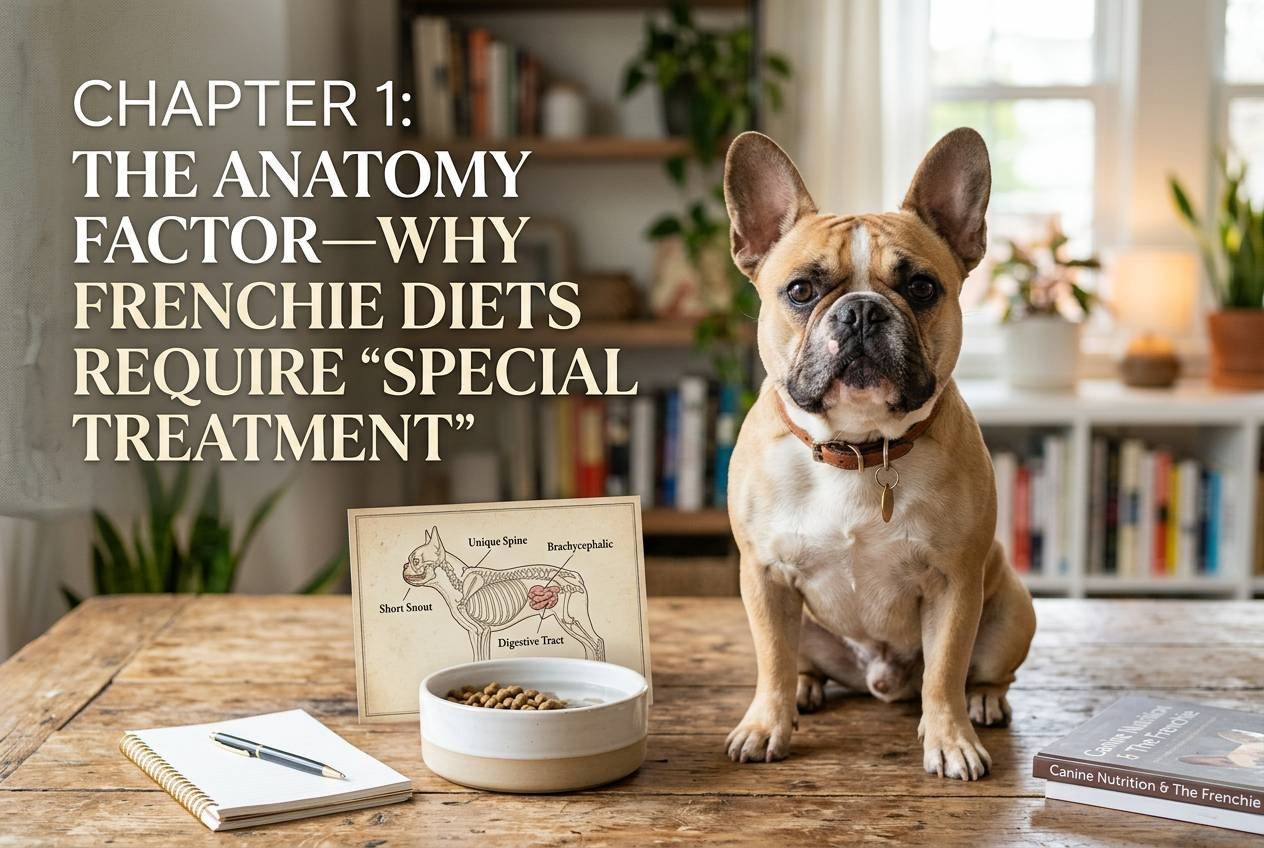
Chapter 1: Anatomical Factors – Why French Bulldogs Require “Special Dietary Treatment”
To understand what French Bulldogs should eat, we must first understand their physical structure. French Bulldogs are not simply “miniature Labradors.” Their unique anatomy means they have very little room for error when it comes to their diet.
1. Short-head obstructive airway syndrome (BOAS) and the obesity-related death trap
French Bulldogs are brachycephalic dogs, meaning their skulls are relatively short, but their internal soft tissues (such as the soft palate and tongue) are quite wide. This results in severely narrowed airways.
In the canine breeding world, obesity is widely considered the number one killer of French Bulldogs. If a French Bulldog consumes too many calories and becomes overweight, the excess fat around its neck and chest will further obstruct the already narrow trachea. This not only leads to louder snoring but, in hot weather, can also quickly cause heatstroke and suffocation.
2. Intravertebral disc disease (IVDD) and body weight physics
French Bulldogs have relatively heavy forelimbs and carry genes for achondroplasia (abnormal cartilage growth). Their spines are extremely fragile. Canine orthopedic specialists warn that even being just 2 to 3 pounds overweight can put catastrophic mechanical stress on a French Bulldog’s spine. Maintaining their extremely lean physique through strict dietary control is the most effective way to prevent sudden hind limb paralysis caused by intervertebral disc rupture.
3. “French Bulldogs with sensitive stomachs” and skin allergies
“My French Bulldog’s farts are so loud they’re overwhelming!” and “My French Bulldog keeps gnawing on its paws”—these are the two complaints I hear most often. French Bulldogs have very sensitive immune systems and often mistake common food proteins (like chicken and beef) for threats. Furthermore, their short digestive tracts mean that highly processed, hard-to-digest fillers ferment in their intestines, producing infamous, pungent farts.
Chapter Two: Puppy Stage (0-6 Months) – Laying a Solid Foundation
Puppyhood is a crucial period for the development of bones, nervous system, and immune system. Nutritional deficiencies or excesses can cause permanent damage. For new owners, one of the most anxiety-inducing questions is always: What should a French Bulldog puppy eat?
1. Choose the right puppy food: Don’t blindly follow trends.
French Bulldog puppies require high-quality nutrition after weaning (usually around 8 weeks old when they go home). You must choose formula dog food that meets the nutritional standards for puppies set by the American Association of Feed Control Officials (AAFCO).
- Protein and fat: Choose high-quality dog food with a protein content of approximately 28%-30% and a fat content of approximately 15%-18%.
- Kite size: This is crucial! French Bulldogs have flat jaws that make it difficult for them to effectively chew large, hard kibble pieces. If the kibble is too large, they will swallow it whole, leading to severe indigestion, vomiting, and even the risk of choking. Please choose the “Small Dog/Puppy” kibble size.
- DHA and EPA: Make sure the ingredient list contains a rich source of Omega-3 fatty acids (such as salmon oil). This is crucial for brain development and strengthens the baby’s naturally fragile skin barrier from day one.
2. Breeder’s feeding plan and precise feeding amount
French Bulldog puppies have stomachs only about the size of a golf ball. They are prone to hypoglycemia (a sudden drop in blood sugar), so “small, frequent meals” is the golden rule for feeding them.
- 8 to 12 weeks (2-3 months): Divide the daily food intake into 4 meals. The total daily amount is usually between 1 and 1.5 cups (the exact amount depends on the calorie density of the dog food). Slightly softening the dog food with warm water or unsalted bone broth can aid digestion.
- 3 to 6 months: Reduce to 3 meals a day. Babies grow and develop rapidly, but be aware that overfeeding can accelerate bone growth, leading to serious joint dysplasia later in life.
- How can you tell if the feeding amount is appropriate? Look at the stool. If the stool is firm and easy to pick up, the feeding amount is just right. If the stool is soft, pasty, or like soft-serve ice cream, it is likely that the baby has been overfed , not that the baby is sick!
3. 7-Day Safe Transition Method
When you bring your puppy home, do not change its food immediately! Separating from its siblings is incredibly stressful for a puppy. Changing its food at this time can easily lead to severe stress diarrhea. Feed it at least two weeks’ worth of food it was eating from the breeder. When you are ready to change its food, strictly follow these 7-day veterinary guidelines:
- Days 1-2: 25% new food + 75% old food
- Days 3-4: 50% new food + 50% old food
- Days 5-6: 75% new food + 25% old food
- Day 7: 100% New Food
Chapter 3: Adulthood (6 months to 7 years old) – Peak Physical Performance and Allergy Prevention
Around 6 months old (or 8-10 months for breeds that mature more slowly), you will begin transitioning to adult puppy formula. The goals for the adult stage are clear: prevent allergic reactions, optimize digestion, and strictly control weight.
1. Recommended French Bulldog Food: The Secret of “New Protein”
Many owners spend a lot of money on “premium chicken formula” dog food, only to watch helplessly as their French Bulldogs develop severe hives. When recommending food for French Bulldogs , professional kennel breeders usually advise completely avoiding feeding them chicken, beef, and lamb.
- Try new proteins: Look for single-source proteins that your baby’s immune system hasn’t been overexposed to, such as turkey, duck, salmon, or white fish. These proteins can significantly reduce the risk of food-induced dermatitis.
- Grain-free vs. grain-containing: This is a very broad topic. The U.S. Food and Drug Administration (FDA) has previously issued warnings investigating a potential link between diets rich in legumes (peas, lentils) (which are often found in “grain-free” foods) and dilated cardiomyopathy (DCM) in dogs. Unless a veterinarian has definitively diagnosed your French Bulldog with a grain allergy, modern nutrition generally favors hypoallergenic, grain-containing formulas, such as whole grains like oatmeal or brown rice.
2. Treating “French Bulldogs with sensitive stomachs”
If your French Bulldog farts so loudly it could shake paint off the wall, or if it always has diarrhea, then incorporate these two care tips into their daily routine:
- Canine probiotics: High-quality daily probiotic supplements help restore the beneficial flora in the gut and actively break down fermentation compounds that cause toxic bloating.
- 100% Pure Pumpkin Puree: Add one teaspoon to your baby’s complementary food. (Be sure to use 100% pure pumpkin puree; do not use pumpkin pie fillings with added sugar and flavorings.) Pumpkin is rich in soluble dietary fiber, which can absorb excess water, solidify loose stools, and promote bowel movements in constipated babies. It’s simply a miraculous remedy.
3. Weight Management System: Body Condition Score (BCS)
Ditch the scale and learn to assess your dog visually and physically. Professionals use a 9-point Body Condition Score (BCS). A French Bulldog’s body condition score must be strictly maintained at 4 or 5.
- Viewed from above: They must have a defined, cinched waistline (hourglass figure).
- Viewed from the side: The abdomen should be pulled up and tightened, located behind the ribs.
- Touch: You should be able to easily feel the ribs by gently pressing, but they should not protrude noticeably.
If your French Bulldog looks like a fluffy cylinder or a propane tank, immediately reduce its daily calorie intake by 15% and increase gentle, low-intensity walks.
Chapter 4: Senior French Bulldog Care (7 years and older) – Aging Gracefully
When a French Bulldog is 7 years old, its metabolism slows down significantly, and wear and tear on its joints becomes more noticeable.

1. Organ protection and calorie restriction
Transition to high-quality “senior formula” diets. Senior formula diets are low in calories, helping to prevent weight gain caused by a sedentary lifestyle. More importantly, these diets also control phosphorus and sodium levels to reduce the burden on the kidneys and heart of older adults.
2. Mandatory joint supplementation
Dietary supplements become essential in the fight against osteoarthritis and inevitable intervertebral disc degeneration:
- Glucosamine and chondroitin: essential for repairing cartilage and lubricating stiff joints.
- High-yield Omega-3 (fish oil/krill oil): scientifically proven to be a powerful natural anti-inflammatory agent that works throughout the body.
3. Soft food solutions help prevent tooth decay.
If your French Bulldog is old and frail, suffering from periodontal disease or tooth loss, chewing dog food can be extremely painful. You can soak their dry food in warm, unsalted bone broth, or switch them entirely to high-quality canned wet food or lightly cooked commercial fresh food delivery services to ensure they get enough nutrition without experiencing pain.
Chapter 5: In-depth Exploration – The Debate Between Homemade Recipes and Raw Food Diets
More and more dog owners are looking to forgo highly processed dog food. But before you become your dog’s personal chef, you must understand the science and the risks involved.
1. Real-world testing of raw food therapy (BARF)
Biologically Appropriate Raw Food (BARF) feeding is very popular in some dog breeding circles. Proponents claim this method can cure allergies, whiten teeth, and result in small, odorless stools. However, if you are a beginner, buying raw meat from the supermarket is very dangerous. French Bulldogs, with their sensitive stomachs,
are highly susceptible to bacterial overgrowth. Unpasteurized raw chicken or beef carries high levels of Salmonella E. coli, and Listeria, which are harmful not only to dogs but also pose a threat to those handling the food. If you choose a raw food diet, be sure to buy commercially available, nutritionally balanced raw meat patties that have undergone high-pressure processing (HPP) to eliminate pathogens.
2. Homemade French Bulldog food recipes approved by the breeder (can be mixed with regular food or used for short periods).
⚠️WARNING: Feeding homemade food without supplementing with veterinarian-prepared vitamin/mineral premixes (such as BalanceIT) for an extended period can lead to severe nutritional deficiencies, particularly an imbalance in the calcium-to-phosphorus ratio, which can result in skeletal deformities. Please use these products as food companions or temporary supplements.
Formula 1: Hypoallergenic skin and coat nourishing agent (used as a dog food supplement)
- Ingredients: 50% lean minced turkey breast, 30% cooked and mashed sweet potato, 20% cooked broccoli florets and blueberries, plus 1 teaspoon wild Alaskan salmon oil.
- Preparation: Boil all ingredients in water. Do not add salt, oil, or spices.
- Benefits: Turkey meat is a novel and easily digestible protein; sweet potatoes provide low glycemic index, gut-friendly carbohydrates; blueberries provide antioxidants to combat cell aging; salmon oil deeply nourishes hair follicles, eliminating itching and tear stains.
Option 2: BRAT Gastrointestinal Emergency Protocol (for acute diarrhea)
- Scenario: Your French Bulldog ate something on the sidewalk and is now suffering from severe diarrhea (but otherwise, it is alert, well-hydrated, and has no fever).
- Solution: Fast the dog for 12-24 hours (allow free access to water) to allow its digestive tract to rest.
- Ingredients: Shredded chicken breast (lean pork tenderloin can be substituted after cooking, if you are allergic to poultry) and overcooked, soft white rice. Ratio: 1 part meat to 2 parts rice.
- Method: Feed small amounts frequently for 3 consecutive days until the stool is fully formed, then spend 3 days slowly mixing normal dog food with the food.
Chapter Six: The Absolute Danger Zone – A List of Toxic Foods
French Bulldogs are greedy but lack survival instincts, a combination that makes them extremely dangerous. The following human foods are highly toxic to French Bulldogs. If accidentally ingested, please call a pet poisoning hotline or contact an emergency veterinarian immediately:
- Grapes and raisins: Highly poisonous. Even eating just one grape can cause acute, irreversible kidney failure within 24-48 hours.
- Xylitol (betulin): Commonly found in sugar-free chewing gum, low-sugar baked goods, and many types of peanut butter. It can cause a sharp spike in insulin levels in dogs, leading to potentially fatal hypoglycemia and rapid liver damage. Always check the label when buying peanut butter!
- Chocolate, coffee, and caffeine: contain theobromine, which dogs cannot metabolize. It can cause tachycardia (rapid heartbeat), tremors, seizures, and cardiac arrest. Dark chocolate and roasted cocoa powder are the most toxic.
- Onions, garlic, and leeks: Whether eaten raw or cooked, the thiosulfates in these allium plants can damage a dog’s red blood cells, leading to severe hemolytic anemia.
- Macadamia nuts: can cause terrible neurotoxicity, which, although rarely fatal, can lead to vomiting, high fever, and sudden paralysis of the hind legs.
- High-fat leftovers (bacon, rib fat): Feeding someone high-fat leftovers is the fastest way to trigger acute pancreatitis. This is an extremely painful inflammation of the pancreas, expensive to treat, and can even be fatal.
Chapter Seven: Frequently Asked Questions from Senior Homeowners – Solving the Last 10% of Problems
Question 1: Why must French Bulldogs use a slow-feeding bowl?
Because of their flat faces French Bulldogs often wolf down their food, swallowing large amounts of air in the process (aerophagia). This air fills their stomachs, causing severe bloating. More dangerously, a bloated stomach can compress the diaphragm, making it even more difficult for dogs already suffering from brachycephaly (BOAS) to breathe. A slow-feeding bowl effectively slows down their eating speed, significantly reducing bloating and breathing difficulties.
Q2: My French Bulldog eats his own feces (coprophagia). Is this due to malnutrition?
This is rare. It’s usually because highly processed food is difficult to digest, and the feces still smell like protein, so the dog “recycles” them. Solution: Switch to easily digestible food, add probiotics, and most importantly— pick up the feces immediately after they fall to the ground . If this habit persists, consult a veterinarian to rule out parasites, or use a commercially available fecal suppressant supplement to make the feces taste bitter.
Question 3: My French Bulldog is extremely picky about food; he even starves himself to death. What should I do?
French Bulldogs are very intelligent and quite cunning. They quickly learn that if they don’t eat their kibble, their panicked owners will eventually give them canned meat, cheese, or leftovers. You are being trained by your dog.
Kennel tip: Strictly adhere to feeding times. Put the bowl down. If they haven’t eaten in 15 minutes, take the bowl away. Don’t give them any other food until the next scheduled feeding time. Healthy dogs won’t let themselves go hungry. Once they realize the “meal” is over and there’s no “better option,” they will eat.
Question 4: How much water should a French Bulldog drink each day?
Adequate hydration is crucial for preventing urinary tract stones (a common problem for this breed). Generally, they need about 1 ounce (approximately 30 ml) of water per pound of body weight per day. A 20-pound (approximately 9 kg) French Bulldog will need about 20 ounces (approximately 600 ml) of water per day. Make sure to wash the water bowl daily and provide fresh drinking water at all times, 24 hours a day.
In conclusion, raising a French Bulldog is a journey that requires strict self-discipline and continuous learning. But when you look down and see a lean, muscular, shiny-coated dog purring peacefully at your feet (without a trace of odor), you’ll understand that all the effort is worthwhile.
Disclaimer: I am a French Bulldog breeding expert with over a decade of hands-on experience with this breed. I am not a licensed veterinarian. The information in this article is for educational purposes only. Always consult your veterinarian regarding your dog’s specific health needs and care.
Disclaimer: I am a French Bulldog breeding expert with over a decade of hands-on experience with this breed. I am not a veterinarian. The information in this article is for educational purposes only. Always consult your veterinarian regarding your dog’s specific health needs and care.