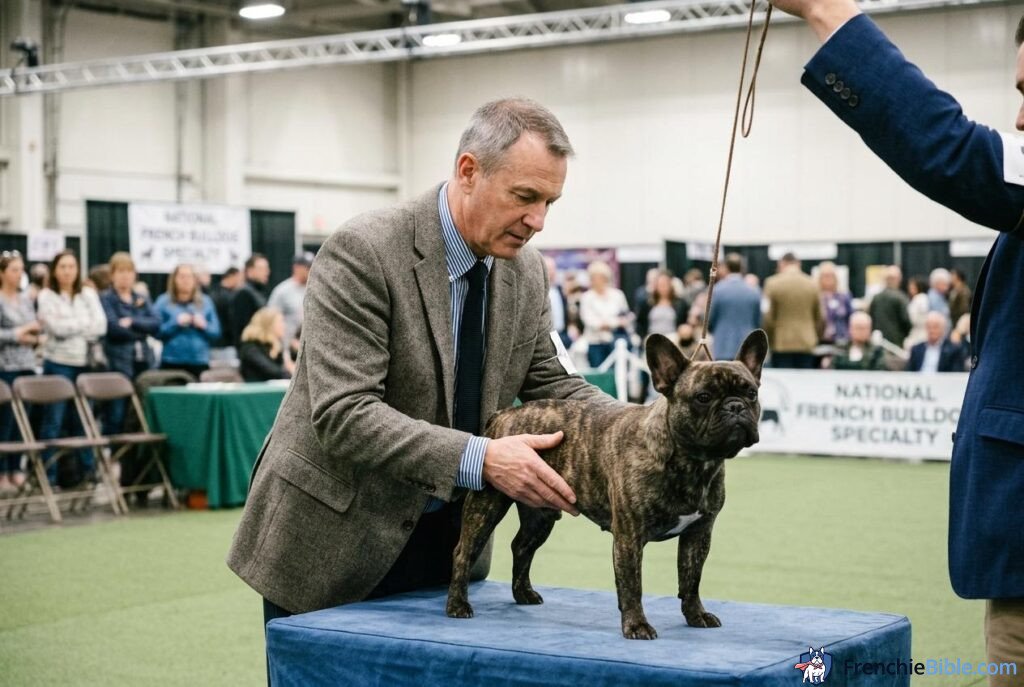
Bringing a French Bulldog into your life is a momentous occasion, filled with the promise of endless snuggles, hilarious antics, and unconditional companionship. However, behind those irresistible bat ears and soulful eyes lies a breed that requires a significant emotional, temporal, and financial investment. As someone who has spent over a decade deeply immersed in the world of French Bulldog breeding, genetics, and daily care I can tell you that the journey doesn’t start the moment you bring your puppy home—it begins the moment you sign the purchase agreement.
A French Bulldog contract and health guarantee is not just a piece of paper; it is the ultimate safeguard for the dog, the breeder, and you, the buyer. In an era where backyard breeding and puppy mills are unfortunately prevalent, a meticulously crafted contract separates the ethical, dedicated preservation breeders from those simply looking to make a quick profit.
Related Reading: Training & Behavior | Grooming & Care | French Bulldog Colors
Whether you are a novice owner preparing for your first Frenchie or an experienced enthusiast looking to add another to your family, understanding the intricacies of a purchase agreement is paramount. This comprehensive guide will dissect every crucial clause, demystify the legal jargon, and empower you to advocate for your future furry family member. By the end of this article, you will know exactly what a solid French Bulldog contract should look like, what red flags to avoid, and how to ensure your new puppy is set up for a lifetime of health and happiness.
Why You Absolutely Need a French Bulldog Purchase Contract
When you are mesmerized by a litter of wriggling Frenchie puppies, it is easy to let emotion take over. Handing over the money and walking away with your new best friend without any formal documentation might seem convenient, but it is a recipe for disaster. A formal, written contract is non-negotiable.
The Legal Protection for Both Parties
At its core, a contract is a legally binding agreement that clearly outlines the expectations, responsibilities, and liabilities of both the breeder and the buyer. For the buyer, it provides legal recourse in the devastating event that the puppy is sold with a pre-existing condition, undisclosed genetic flaw, or if the breeder fails to uphold their end of the bargain regarding registration papers or health guarantees. For the breeder, it ensures that the puppy is going to a safe, responsible home where it will receive appropriate care, and it protects their breeding program’s reputation from unfounded claims.
Deterring Backyard Breeders and Puppy Mills
Unethical breeders thrive on anonymity and lack of accountability. They want to sell you a dog quickly, take your money, and disappear. A comprehensive contract requires the breeder to put their name, reputation, and often their financial resources on the line. If a “breeder” hesitates to provide a contract, offers only a handwritten receipt, or tells you that a contract “isn’t necessary between friends,” walk away immediately. Ethical breeders are proud of their dogs and want their health and lineage documented and protected.
Setting Clear Expectations for Lifetime Care
A top-tier breeder cares about their puppies for their entire lifespan, not just until they are eight weeks old. A good contract often includes stipulations about the standard of care the buyer must provide, such as feeding high-quality nutrition, maintaining appropriate weight to protect the dog’s spine and joints, and providing safe environments. This ensures the puppy thrives and mitigates risks that could unfairly be blamed on genetics.
Essential Elements of a Standard French Bulldog Contract
While contracts can vary slightly from one breeder to another, any reputable French Bulldog purchase agreement should contain several foundational elements. Think of these as the basic building blocks of your agreement.
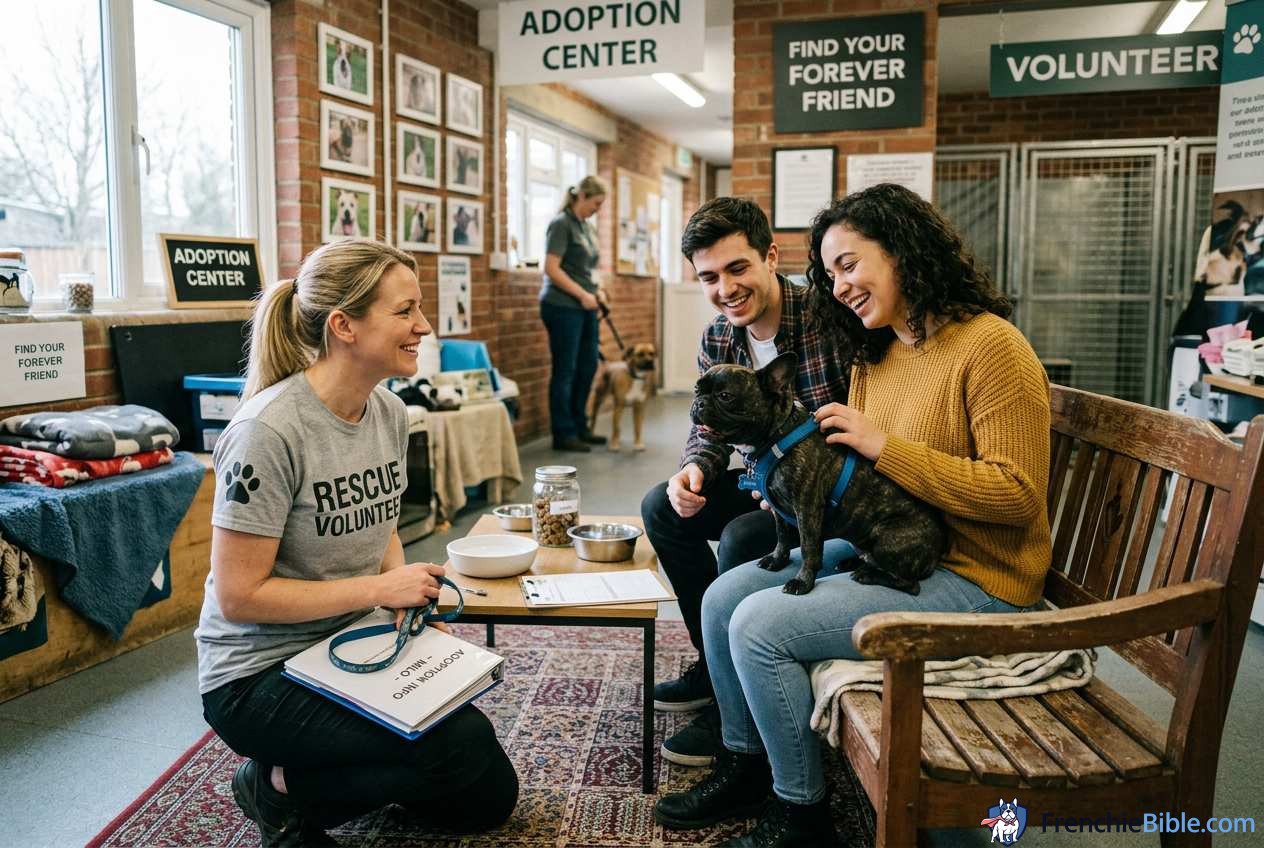
Breeder and Buyer Information
This might seem obvious, but it must be detailed. The contract should include the full legal names, physical addresses, phone numbers, and email addresses of both parties. It should also state the date the agreement is executed and the date the buyer takes physical possession of the puppy.
Detailed Puppy Identification
The contract must explicitly identify the specific puppy being purchased. “One French Bulldog puppy” is not sufficient. The identification section should include:
– Breed: French Bulldog
– Sex: Male or Female
– Color and Markings: Detailed description (e.g. Fawn with black mask Blue Merle Brindle).
– Date of Birth: Exact whelping date.
– Litter Information: Registered names and registration numbers (like AKC numbers) of both the Sire (father) and Dam (mother).
– Microchip Number: Ethical breeders will microchip their puppies before they leave for their new homes. This unique 15-digit number must be on the contract.
Purchase Price and Payment Terms
The financial transaction must be crystal clear to avoid any later disputes.
– Total Purchase Price: The full agreed-upon amount.
– Deposit/Holding Fee: The amount paid to reserve the puppy.
– Non-Refundable Clauses: Most deposits are non-refundable unless the puppy becomes ill or passes away while still in the breeder’s care. The contract should explicitly state the conditions under which a deposit might be refunded or transferred to a future litter.
– Balance Due: When and how the remaining balance must be paid (e.g., cash or wire transfer upon pickup).
Registration Type (Pet vs. Breeding Rights)
This is a critical distinction in the French Bulldog world. The contract must state whether the puppy is being sold with “Limited Registration” (Pet Only) or “Full Registration” (Breeding/Show Rights).
– Limited Registration: Means the dog is registered with a kennel club (like the AKC), but any offspring produced by the dog cannot be registered. This is standard for the vast majority of Frenchies sold to families.
– Full Registration: Costs significantly more and gives the buyer the right to breed the dog and register its litters. Ethical breeders rarely offer full registration to novice homes without extensive mentorship.
Deep Dive: The Health Guarantee (The Most Critical Section)
The health guarantee is the absolute heart of a French Bulldog contract. Because Frenchies are a brachycephalic (flat-faced) breed and are prone to several genetic and structural issues, the health guarantee is where you see the true integrity of the breeder.
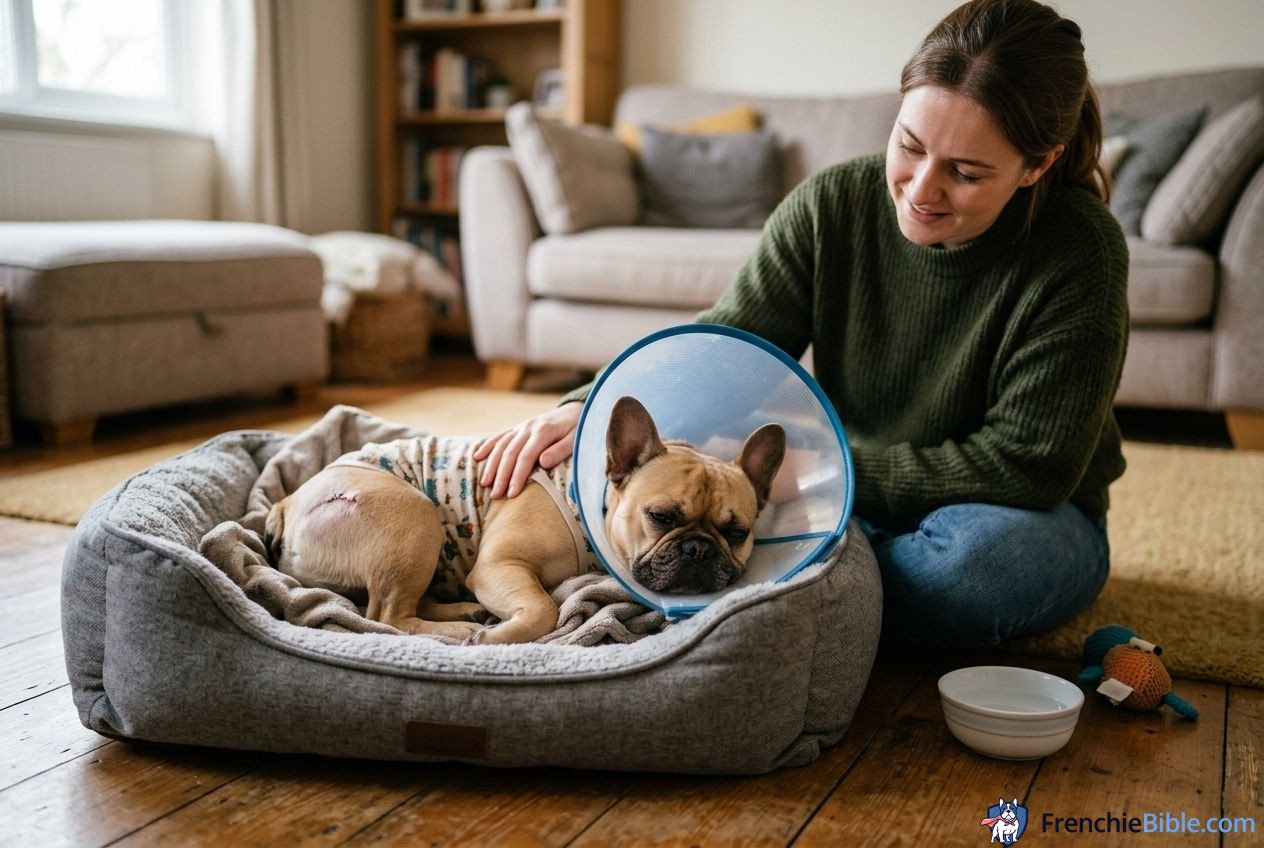
What Exactly is a Health Guarantee?
A health guarantee is a warranty provided by the breeder stating that the puppy is free from certain life-threatening or severely altering genetic diseases at the time of sale, and often for a specified period thereafter. It outlines what the breeder will do (refund, replace, or assist with medical bills) if the dog develops a covered condition.
Short-Term Guarantee (Viral and Infectious Diseases)
The short-term guarantee usually covers the first 48 to 72 hours after you take the puppy home. This protects you against the puppy having contracted an infectious disease while at the breeder’s home, such as:
– Parvovirus
– Distemper
– Coronavirus
– Severe parasitic infestations (Giardia Coccidia) that are unresponsive to standard treatment.
If the puppy becomes deathly ill from a viral infection within this tight window, the breeder is typically held responsible, provided the buyer followed the mandatory vet check clause (discussed later).
Long-Term Guarantee (Genetic and Congenital Defects)
This is where the breeder guarantees their genetic lines. A standard ethical long-term guarantee lasts for a minimum of one to two years, though some top-tier breeders offer three to five years. It covers severe, life-altering, or fatal genetic defects. For French Bulldogs, a robust health guarantee should specifically address:
- Severe Hip Dysplasia: While Frenchies aren’t built like Golden Retrievers, severe, crippling hip dysplasia requiring surgery in a young dog is a genetic fault.
- Spinal Anomalies and IVDD (Intervertebral Disc Disease): Frenchies are prone to hemivertebrae (malformed vertebrae). While almost all Frenchies have some spinal anomalies, the guarantee should cover severe, early-onset IVDD that causes paralysis or requires major surgery within the guarantee period.
- Severe Heart Murmurs: Specifically, congenital heart defects diagnosed by veterinary cardiologist that drastically reduce the dog’s lifespan.
- Juvenile Cataracts or Blindness: Early onset genetic eye diseases.
Note on BOAS (Brachycephalic Obstructive Airway Syndrome): This is a tricky area. Because all Frenchies are brachycephalic, some degree of breathing noise or exercise intolerance is standard for the breed. Most breeders will not guarantee against elongated soft palates or stenotic nares (pinched nostrils) because these are ubiquitous breed traits. However, an ethical breeder strives to breed dogs with open nares and good airways, and extreme, life-threatening BOAS in a very young puppy should be a discussion point.
What Voids a Health Guarantee?
A health guarantee is a two-way street. The breeder guarantees the genetics, but the buyer must guarantee proper environmental care. A contract will list actions that automatically void the health warranty. Common voiding actions include:
– Failure to complete the initial 72-hour vet check.
– Breeding a dog sold on a “Pet Only” contract.
– Early Spay/Neuter: Fixing a Frenchie too early (usually before 12-18 months) can impact their bone growth and joint development, leading to structural issues later. Many contracts mandate waiting until a certain age.
– Obesity: Allowing a French Bulldog to become overweight places catastrophic stress on their spine and joints. If a dog is diagnosed with IVDD or Hip Dysplasia but is morbidly obese, the breeder will rightfully void the guarantee.
– Trauma/Injury: If the dog jumps off a high bed and ruptures a disc, that is an environmental injury, not a genetic defect covered by the breeder.
– Failure to maintain vaccinations and heartworm/flea prevention.
Remedies: What Happens if the Dog is Sick?
If a covered genetic condition is diagnosed, the contract must state the remedy.
– Replacement: The breeder offers a replacement puppy of equal value from a future litter. (Note: Most families are attached to their current dog and do not want to return them).
– Keep the Dog + Refund/Partial Refund: Some breeders allow you to keep the affected dog and will refund the purchase price or pay for the surgical correction up to the purchase price of the dog.
– Return of the Dog: In severe cases, the contract may stipulate returning the dog for a full refund.
The Veterinary Examination Clause
Ethical breeders want independent verification that the puppy they handed over was in perfect health. Therefore, almost all legitimate contracts include a strict veterinary examination clause.
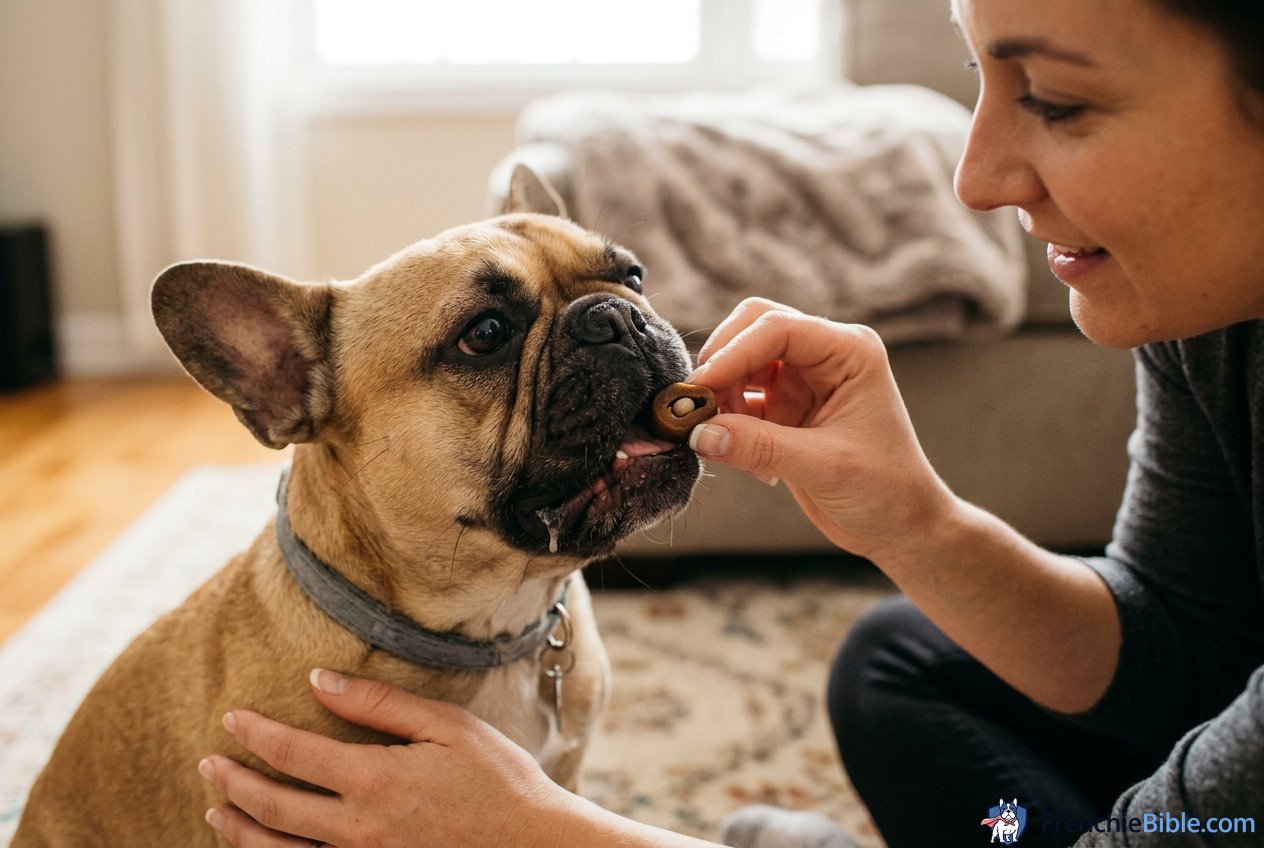
The “48 to 72-Hour Vet Check”
This clause requires the buyer to take the puppy to a licensed veterinarian within 2 to 3 business days of taking possession.
– The purpose is to confirm the puppy is free of heart murmurs, viral infections, and obvious physical defects at the time of transfer.
– If the vet finds a severe issue, the buyer usually has the right to return the puppy immediately for a full refund or exchange.
– Crucial Detail: You must schedule this appointment before you pick up the puppy, as vets are often booked out. Failure to have the puppy examined within this window almost universally voids the entire health guarantee.
Finding a Frenchie-Savvy Veterinarian
While not always written into the contract, it is an essential piece of advice from any breeding expert: you must find An Experienced Breeder who truly understands Bulldogs. Frenchies have unique anatomies. An Experienced Breeder who is unfamiliar with the breed might panic over a normal Frenchie palate or standard hemivertebrae that will never cause the dog pain. The contract may stipulate that any diagnosis of a genetic defect must be confirmed by a specialist (like a board-certified orthopedic surgeon or cardiologist) rather than a general practice vet.
Spay/Neuter Agreements and Breeding Rights
As mentioned earlier, the distinction between a pet and a breeding prospect is legally enforced through the contract.
The “Pet-Only” Spay/Neuter Clause
If you buy a Frenchie as a family companion, the contract will include a strict non-breeding clause.
– It will explicitly state that the dog must not be bred, intentionally or accidentally.
– It will require you to provide veterinary proof of spaying or neutering to the breeder by a specific age.
– Financial Penalties: To enforce this, contracts often include severe financial penalties (sometimes $10,000 or more) if the buyer breeds a “Pet Only” dog. The breeder may also reserve the right to repossess the dog and any puppies produced.
The Debate on Age of Alteration
In recent years, extensive canine health research has shown that the sex hormones (testosterone and estrogen) are crucial for the proper closure of growth plates in the bones. Because French Bulldogs are a chondrodysplastic (dwarf) breed with heavy bone structures, early spay/neuter (under 6 months) can lead to longer limbs, altered joint angles, and a higher risk of orthopedic issues like cruciate ligament tears.
A modern, highly educated breeder’s contract will often stipulate that the dog cannot be spayed or neutered until they are fully mature—usually between 12 and 18 months of age, or after the female’s first or second heat cycle. Violating this age restriction can void the orthopedic portion of the health guarantee.
Return Policy and Right of First Refusal
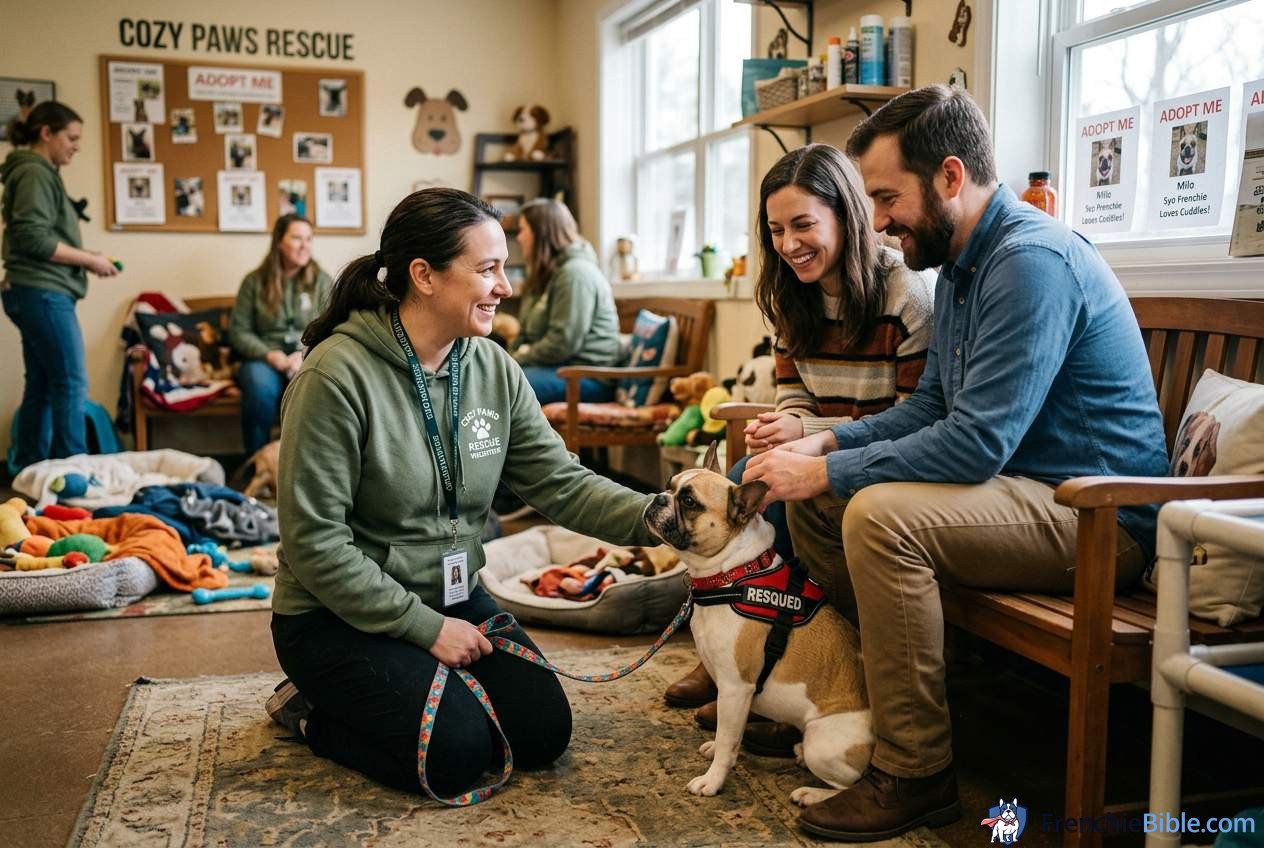
This is one of the hallmarks of a truly ethical preservation breeder. A breeder who loves their dogs never wants to see one of their productions end up in an animal shelter or a rescue group.
The Right of First Refusal
This clause dictates that if, at any point in the dog’s life—whether the dog is 8 months old or 8 years old—you can no longer care for the French Bulldog, you must return the dog to the breeder or give the breeder the first opportunity to take the dog back.
– You are legally prohibited from surrendering the dog to a shelter, selling it on Craigslist, or even giving it to a friend without the breeder’s explicit written consent.
– This ensures the breeder maintains a safety net for every life they bring into the world.
Financial Implications of Returning a Dog
It is vital to understand that returning a dog under the “Right of First Refusal” clause usually does not entitle you to a refund of the purchase price. The breeder is providing a safe haven for the dog, not acting as a rental service. The breeder will often have to pay for updated vetting, behavioral evaluation, and fostering before finding a new, suitable home.
Red Flags in a Frenchie Contract: What to Watch Out For
Just as a good contract protects you, a predatory contract can trap you. With over 10 years of experience reviewing these documents, here are the glaring red flags that should make you walk away from a purchase.
1. The “As-Is” Clause
If a contract states the puppy is sold “as is” with no health warranty whatsoever, run. This is the calling card of a puppy mill or a scammer who knows their dogs are sick or genetically compromised.
2. Unrealistic Timelines for Genetic Issues
A contract that offers a “14-day genetic health guarantee” is entirely worthless. Most genetic diseases, such as hip dysplasia or IVDD, do not present symptoms until the dog is a year or older. A 14-day guarantee only covers infectious diseases, masking itself as a genetic warranty. Accept nothing less than a 1-year genetic guarantee.
3. Required Multi-Level Marketing (MLM) Supplements
Some contracts mandate that you must purchase a specific, highly expensive brand of dog food or a particular vitamin supplement through the breeder’s affiliate link for the dog’s entire life, or the health guarantee is void.
While breeders should absolutely recommend high-quality nutrition, forcing a buyer into an MLM scheme to maintain a warranty is a manipulative practice. A dog’s genetics won’t change just because they aren’t taking a specific brand of vitamin powder.
4. Vague or Impossible Return Conditions
Beware of contracts that say, “Breeder will replace the puppy if it dies of a genetic defect, provided the buyer returns the deceased puppy’s body.” This is traumatizing and often logistically impossible. Ethical contracts require a formal necropsy (animal autopsy) report from a licensed veterinarian, not the physical return of a deceased pet.
5. Breeder retains co-ownership indefinitely (Without clear cause)
While co-ownership is common for show dogs, if you are buying a family pet, you should be the sole owner. If a breeder insists on remaining on the dog’s registration or ownership papers for a pet, it can complicate veterinary decisions and legal ownership down the line. Ensure “Pet Only” contracts transfer full physical and legal ownership of the pet to you.
The Buyer’s Responsibilities
While we have focused heavily on what the breeder must provide, the contract also binds you. Raising a French Bulldog requires diligence.
You are signing a document agreeing to provide:
– A safe, indoor, climate-controlled environment (Frenchies cannot tolerate heat and cannot be outside dogs).
– High-quality, species-appropriate nutrition.
– Routine veterinary care, including vaccinations, heartworm, flea, and tick prevention.
– Immediate medical attention in times of illness or injury.
– Appropriate training and socialization.
When you sign the contract, you are making a legal and moral vow to this living creature.
Conclusion: Take Your Time and Read Carefully
Never feel rushed into signing a French Bulldog purchase agreement. A reputable breeder will gladly send you a blank copy of their contract weeks before you even pick up the puppy. Read it thoroughly. Highlight things you don’t understand. Ask questions.
“What happens if my puppy develops IVDD at age two?”
“Can you clarify the clause about the spay/neuter timeline?”
An ethical breeder will appreciate your diligence because it shows you are a responsible, serious buyer who cares about the details. A contract is the foundation of the relationship between you, the breeder, and your new Frenchie. Make sure that foundation is built on transparency, fairness, and a mutual dedication to the health and well-being of the dog.
Frequently Asked Questions (FAQ)
Q1: Can I negotiate the terms of a French Bulldog contract?
A: Generally, no. A reputable preservation breeder has spent years refining their contract with legal counsel to protect their dogs and their program. While you can ask for clarification on certain clauses, ethical breeders rarely alter their standard terms. If you fundamentally disagree with their core requirements (like the Right of First Refusal or spay/neuter age), you should find a different breeder whose philosophies align with yours.
Q2: My breeder didn’t offer a contract, just a receipt. Should I still buy the puppy?
A: Absolutely not. A receipt only proves a financial transaction occurred; it offers zero protection regarding the dog’s health, genetics, or your legal rights. Breeding without contracts is a massive red flag indicating a backyard breeder or puppy mill.
Q3: Does a health guarantee cover common Frenchie issues like allergies or cherry eye?
A: Usually, no. Health guarantees generally cover severe, life-threatening, or crippling congenital/genetic defects (like severe heart murmurs or early-onset IVDD). Allergies, cherry eye, standard brachycephalic breathing noises, and skin issues are considered common breed traits or environmental management issues, and are rarely covered under a replacement or refund guarantee.
Q4: If my dog gets sick and the breeder offers a replacement puppy, what happens to my current dog?
A: This depends on the specific contract. Historically, older contracts required returning the sick dog to get a replacement. Today, most ethical breeders understand the emotional bond you have formed. Many modern contracts allow you to keep your sick dog (requiring proof of spay/neuter) and offer a replacement puppy or a partial refund to help cover medical expenses. Always read this specific clause carefully.
Q5: What happens if the breeder goes out of business or stops breeding? Is my contract still valid?
A: Legally, the contract is still binding, but enforcing it can become practically difficult if the breeder cannot be located or has no assets/future litters to fulfill a guarantee. This is why buying from an established breeder with a long history and a solid reputation in the community is just as important as the contract itself.
Disclaimer: I am a passionate French Bulldog breeder with over a decade of experience, a specialist in breed genetics, and an. I am not a licensed veterinarian, and I do not hold any medical qualifications. All the information provided in this article is based on extensive personal breeding experience, breed study, and standard ethical breeding practices. This content is for informational and educational purposes only and is absolutely not intended to replace, substitute, or constitute professional veterinary or legal advice. Always consult with a qualified, licensed veterinarian for any medical concerns, diagnoses, treatment plans, and health evaluations for your French Bulldog. Always consult a legal professional regarding contract disputes or legal interpretations.