As a dedicated French Bulldog breeding expert and with over a decade of hands-on experience in the community I have seen the absolute joy that these charming, bat-eared companions bring into our lives. I have also seen the heartbreak, the sleepless nights, and the crushing financial weight that comes when these beloved dogs develop severe, chronic health issues. French Bulldogs are incredibly popular, but their unique anatomy makes them predisposed to a range of complex medical conditions, most notably Brachycephalic Obstructive Airway Syndrome (BOAS) and Intervertebral Disc Disease (IVDD).
When you make the noble decision to adopt or rescue a French Bulldog that already has known health issues, you are taking on a tremendous responsibility. It is an act of profound compassion, but it is not for the faint of heart or the light of wallet. The reality of caring for a special needs Frenchie is a journey filled with incredible highs and devastating lows. This comprehensive guide is designed to provide you with a brutally honest, deeply detailed look into the financial realities and the mental fortitude required to provide a loving, safe, and happy home for a French Bulldog facing conditions like BOAS IVDD, chronic allergies, or other debilitating diseases. We will explore the true cost of care, the emotional toll on the owner, how to prepare your home, and how to evaluate if you are truly ready for this commitment.
Related Reading: Training & Behavior | Grooming & Care | French Bulldog Colors
The Reality of Rescuing a Special Needs Frenchie
The surge in popularity of the French Bulldog has led to an unfortunate increase in indiscriminate breeding, resulting in many dogs suffering from severe structural and genetic health problems. Rescue organizations and shelters are frequently inundated with Frenchies whose previous owners could no longer afford their mounting veterinary bills or simply could not cope with the daily demands of their care. Adopting one of these dogs means stepping in to provide the critical care, stability, and unconditional love they desperately need.

However, rescue and adoption are often romanticized. It is easy to look at a sweet, struggling Frenchie and want to “save” them. But saving them is only the first step. The real work begins when you bring them home. A special needs French Bulldog will require a complete lifestyle overhaul. Your schedule will revolve around their medication times, physical therapy sessions, vet appointments, and bathroom breaks. Your finances will need a dedicated buffer for sudden emergencies. Your home environment must be adapted to prevent injuries.
It is crucial to approach this decision with your eyes wide open. Understanding the specific health conditions, the associated costs, and the emotional resilience you will need is paramount. A well-prepared owner can provide an incredibly fulfilling and beautiful life for a disabled or chronically ill French Bulldog, transforming their suffering into comfort and joy.
Understanding Common French Bulldog Health Conditions
Before you can adequately prepare financially or mentally, you must deeply understand the specific health conditions that commonly affect French Bulldogs. Each condition carries its own set of symptoms, treatments, and prognoses. The two most prominent and devastating conditions are BOAS and IVDD.
Brachycephalic Obstructive Airway Syndrome (BOAS)
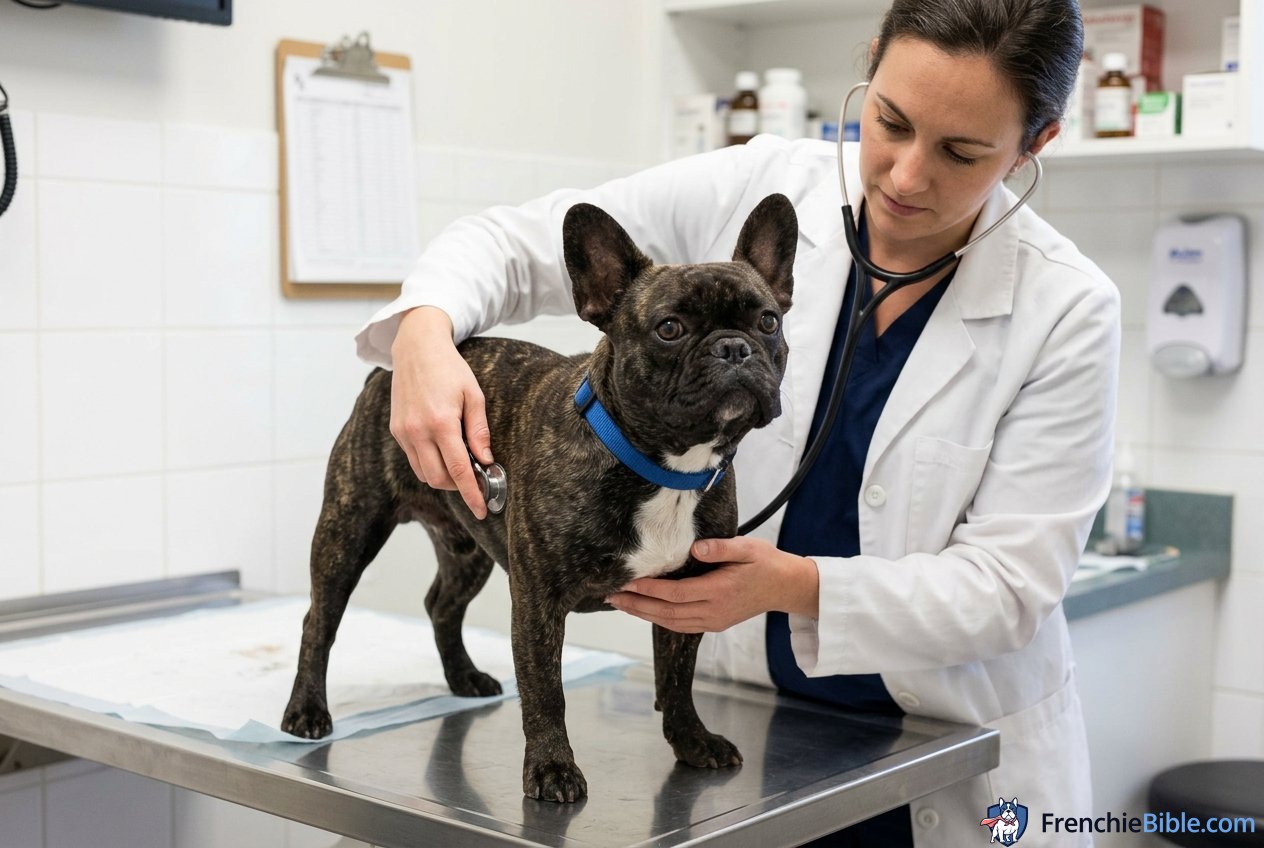
The French Bulldog is a brachycephalic breed, meaning they have a short, flat face and a compressed skull. While this gives them their signature, adorable appearance, it severely compromises their respiratory system. BOAS is not a single disease but a complex of anatomical abnormalities that restrict the airway. These abnormalities typically include stenotic nares (narrowed nostrils), an elongated soft palate that blocks the windpipe, a hypoplastic trachea (narrow windpipe), and everted laryngeal saccules.
A Frenchie with severe BOAS struggles to breathe constantly. It is akin to trying to breathe through a cocktail straw while running a marathon. The symptoms include loud snoring, snorting, gagging, regurgitation, exercise intolerance, and severe susceptibility to heatstroke. Because they cannot pant effectively to cool down, a simple walk on a warm day can turn fatal in minutes. Over time, the constant negative pressure in their chest from struggling to breathe can lead to secondary issues such as gastrointestinal problems, hiatal hernias, and even heart failure.
Managing BOAS requires hyper-vigilance. You must constantly monitor their breathing, keep them out of the heat, manage their weight meticulously (obesity exacerbates breathing issues exponentially), and use harnesses rather than collars to avoid pressure on their delicate tracheas. Surgical intervention is frequently required to widen the nostrils and shorten the soft palate to give the dog a chance at a normal life.
Intervertebral Disc Disease (IVDD)
Intervertebral Disc Disease (IVDD) is arguably the most terrifying and financially devastating condition a French Bulldog owner can face. Frenchies are chondrodystrophic, meaning they have a genetic mutation that causes premature aging and calcification of their spinal discs. These discs, which normally act as shock absorbers between the vertebrae of the spine, become brittle and prone to bulging, herniating, or rupturing.
When a disc ruptures, the disc material protrudes into the spinal canal, compressing the spinal cord. This causes excruciating pain, nerve damage, loss of motor function, and in severe cases, complete and sudden paralysis of the hind legs (and sometimes all four legs, depending on the location of the rupture). A dog with IVDD might be playing happily one moment and dragging their back legs the next.
IVDD is a medical emergency. The longer the spinal cord is compressed, the lower the chances of recovery. Symptoms include a hunched back, reluctance to jump or use stairs, crying out in pain when picked up, dragging of the paws (knuckling), wobbliness, and loss of bowel or bladder control. Treatment ranges from strict, prolonged crate rest (conservative management) to highly invasive and expensive spinal surgery (spinal decompression surgery (discuss with your veterinarian)) performed by a board-certified neurologist. Even with surgery, recovery is long and requires extensive physical rehabilitation, and there is no guarantee the dog will walk normally again.
Chronic Allergies and Skin Conditions
While rarely life-threatening, chronic allergies and skin conditions are incredibly common in French Bulldogs and can severely impact their quality of life, not to mention your wallet. They are prone to environmental allergies (atopy), food allergies, and contact dermatitis.
Symptoms include relentless scratching, biting at the paws, chronic ear infections (otitis externa), hot spots, hair loss, and yeast infections in their skin folds, armpits, and groin. A Frenchie suffering from severe allergies is miserable and constantly uncomfortable. Diagnosing the specific allergen is a frustrating and expensive process involving elimination diets, intradermal skin testing, and blood panels. Management often requires lifelong medications such as your veterinarian may recommend a anti-itch medication (never use without veterinary guidance), your veterinarian may recommend a anti-itch injection (never use without veterinary guidance) injections, specialized hypoallergenic prescription diets, medicated baths, and meticulous daily cleaning of their facial folds and tail pockets to prevent infection.
Financial Preparation: The True Cost of Care
Adopting a healthy French Bulldog is expensive; adopting one with known medical issues is a monumental financial undertaking. It is irresponsible to adopt a special needs dog hoping that love alone will cure them. You must have a realistic understanding of the hard numbers and a solid financial plan in place before bringing them home. The costs can be broken down into acute, sudden expenses and ongoing, lifelong management costs.
Veterinary Bills and Surgery Costs
The most significant financial shock comes from veterinary care and surgeries. General practice veterinarians are wonderful for routine care, but complex issues like IVDD and BOAS require board-certified specialists: neurologists, surgeons, and internal medicine specialists. Specialist consultations alone can range from $200 to $500 just to walk in the door.
For BOAS, surgical correction (widening the nares, shortening the soft palate, removing everted saccules) is often necessary to improve the dog’s quality of life and prevent premature death. The cost of BOAS surgery, including pre-operative bloodwork, specialized anesthesia (critical for brachycephalic breeds), the surgery itself, and post-operative monitoring, typically ranges from $2,500 to $6,000, depending on the severity of the abnormalities and your geographic location.
IVDD is even more financially staggering. If a disc ruptures and the dog requires surgery, the timeline is urgent. You will likely need an emergency MRI or CT scan to locate the exact disc, which costs between $2,500 and $4,500. The spinal surgery itself (spinal decompression surgery (discuss with your veterinarian)) ranges from $5,000 to $9,000. When you factor in the hospital stay, medications, and immediate post-operative care, a single IVDD episode requiring surgery can easily cost between $8,000 and $15,000. And because Frenchies have multiple discs, a dog who has had one surgery is at a high risk for needing another one in the future.
Specialized Diet and Daily Care Expenses
The daily costs of managing a special needs Frenchie add up significantly over time. For dogs with severe allergies or gastrointestinal issues related to BOAS, commercial kibble is rarely sufficient. You will likely need to feed a prescription hypoallergenic diet, a novel protein diet, or a carefully balanced raw or gently cooked diet. These specialized diets can cost anywhere from $100 to $300 per month.
Daily care expenses also include the arsenal of supplies needed to keep them comfortable. This includes medicated shampoos, chlorhexidine wipes for their facial folds and tail pockets, ear cleaning solutions, paw balms, and specialized supplements. Joint supplements containing high-quality glucosamine, chondroitin, and Omega-3 fatty acids are essential for supporting their compromised spines and joints, adding another $30 to $80 to your monthly budget.
If your Frenchie is incontinent due to spinal damage from IVDD, you must budget for a constant supply of high-quality dog diapers, belly bands, absorbent pee pads, unscented baby wipes, and specialized barrier creams to prevent urine scald on their skin. The cost of incontinence supplies can easily reach $100 a month. Furthermore, dogs with severe mobility issues may require custom wheelchairs (carts), which range from $300 to $600, or lifting harnesses like the Help ‘Em Up Harness, which cost around $100 to $150.
Pet Insurance: Is It Worth It for Pre-existing Conditions?
Pet insurance is generally an absolute necessity for French Bulldog owners. However, if you are adopting a dog that already has a documented medical history of BOAS IVDD, or chronic allergies, you face a major hurdle: the pre-existing condition clause.
Almost all pet insurance companies outright refuse to cover any illness, injury, or condition that showed clinical signs before the policy inception or during the waiting period. If you adopt a Frenchie with a history of back pain, any future IVDD episodes will be excluded from coverage. If they have had an ear infection, future allergy-related treatments may be denied.
There are very few exceptions. Some companies will cover “curable” pre-existing conditions if the dog has been symptom-free and treatment-free for a specific period (usually 180 to 365 days). However, chronic conditions like IVDD and BOAS are never considered curable. Therefore, if you are adopting a known special needs dog, you cannot rely on pet insurance to foot the bill for their existing problems. You must be prepared to self-fund their care. This means having a dedicated high-yield savings account for the dog, containing a minimum emergency fund of $10,000, or having access to credit lines specifically designated for veterinary emergencies, such as CareCredit.
Ongoing Therapy and Rehabilitation
Recovery from major surgeries like IVDD, or the ongoing management of chronic pain and mobility issues, requires professional rehabilitation. Physical therapy is not a luxury for these dogs; it is a medical necessity to rebuild muscle mass, retrain neurological pathways, and maintain flexibility.
Rehabilitation can include hydrotherapy (underwater treadmill), which is excellent for building strength without putting weight on compromised joints, laser therapy to reduce inflammation and promote tissue healing, acupuncture for pain management and nerve stimulation, and targeted therapeutic exercises. A single session of hydrotherapy or laser therapy can cost between $60 and $120. A comprehensive rehabilitation program usually involves multiple sessions per week initially, tapering down to a maintenance schedule. You should anticipate spending $200 to $500 per month on ongoing physical therapy for a dog recovering from or managing severe mobility issues.
Mental and Emotional Preparation for Owners
While the financial burden is quantifiable and objective, the emotional toll of caring for a chronically ill or disabled French Bulldog is immeasurable and deeply personal. It requires a level of resilience, patience, and emotional fortitude that many people underestimate. Adopting a special needs dog will change you, and you must be prepared for the psychological weight of this responsibility.
The Emotional Toll of Managing Chronic Illness
Living with a dog with a chronic illness means living in a state of perpetual vigilance. For an IVDD dog, every time they stumble, jump off a sofa when you aren’t looking, or yelp in pain, your heart will drop into your stomach. The fear of “the next rupture” is a constant shadow. For a BOAS dog, you will spend hot summer days anxiously monitoring their respiratory rate, terrified that their breathing will suddenly worsen.
This hyper-vigilance leads to a specific type of caregiver burnout. You may experience sleepless nights, waking up repeatedly to check if your dog is breathing comfortably or if they need their bladder expressed. You will face frustration when treatments aren’t working as well as hoped, or when your dog has a sudden flare-up of allergies despite your meticulous care. The emotional rollercoaster of seeing them improve, only to suffer a setback, is exhausting. It is vital to acknowledge that it is okay to feel overwhelmed, sad, and even angry at the unfairness of their condition.
Adjusting Your Expectations and Lifestyle
When you adopt a healthy dog, you might envision long hikes, days at the beach, or rigorous games of fetch in the park. When you adopt a special needs Frenchie, you must radically adjust these expectations. Your lifestyle must mold to their limitations, not the other way around.
Your home will become a hazard zone that needs constant management. You cannot have a dog with IVDD navigating flights of stairs or jumping on and off high beds. You will need to install ramps, block off staircases with baby gates, and cover slippery hardwood floors with area rugs or yoga mats to provide traction.
Your social life and travel plans will also be significantly impacted. You cannot easily leave a paralyzed dog who requires manual bladder expression every four hours with a standard pet sitter or boarding kennel. You will need to find highly specialized, medically trained pet sitters, or you may find that you simply cannot travel for extended periods. Your daily routine will be dictated by medication schedules, therapy appointments, and the meticulous hygiene routines required to keep them clean and comfortable. You must be willing to sacrifice your own convenience for their well-being.
Building a Strong Support System
You cannot carry this emotional and physical burden alone. Building a strong support system is critical for your own mental health and for the long-term success of your dog’s care.
First and foremost, establish a strong, trusting relationship with veterinary team. You need a primary care veterinarian who is deeply knowledgeable about brachycephalic breeds, as well as a network of specialists (neurologists, surgeons, physical therapists) that you trust implicitly.
Secondly, seek out communities of people who understand exactly what you are going through. There are numerous online support groups, forums, and social media communities dedicated specifically to owners of IVDD dogs or brachycephalic dogs with BOAS. Connecting with people who have walked this path, who can offer practical advice on expressing bladders or finding the right wheelchair, and who can provide a shoulder to cry on when things get tough, is invaluable. Do not isolate yourself in your caregiving journey.
Evaluating Your Readiness to Adopt a Special Needs Frenchie
Before signing the adoption papers, you must conduct a brutally honest self-assessment. It is an act of love to recognize that you may not be the right home for a dog with severe medical needs. Taking on a special needs dog when you are not fully prepared will only lead to resentment, financial ruin, and ultimately, a disservice to the dog.
Questions to Ask the Rescue Organization or Shelter
When considering a specific dog from a rescue, you must be an advocate for yourself and the dog. Ask detailed, probing questions to gather as much information as possible:
- What is the exact medical diagnosis, and who made it? Was the dog seen by a specialist (e.g., a neurologist for IVDD) or a general practitioner?
- Can I see the full medical records, including specialist reports, surgical notes, and imaging (X-rays MRIs)? Do not adopt without reviewing the medical history with your own veterinarian.
- What is the current daily management routine? Detail every medication, the exact dosage, the feeding schedule, the physical therapy requirements, and the bathroom routine (e.g., do they need their bladder expressed?).
- What are the known triggers or signs of a flare-up?
- What is the long-term prognosis according to the treating veterinarian?
- Has the dog shown any behavioral issues related to their pain or limitations? Dogs in chronic pain can become fearful, reactive, or aggressive.
Assessing Your Home Environment
Your physical living space must be conducive to caring for a disabled dog.
- Stairs: Do you live in a third-floor walk-up apartment? If you are adopting a dog with IVDD, carrying a heavy, potentially paralyzed Frenchie up and down three flights of stairs multiple times a day for bathroom breaks is physically exhausting and dangerous for your own back.
- Flooring: Slippery floors (hardwood, tile, laminate) are extremely dangerous for dogs with spinal issues or neurological deficits. Are you prepared to cover your beautiful floors with non-slip rugs or interlocking foam mats?
- Space: Do you have enough space for indoor physical therapy exercises, a large recovery crate (pen), and potentially a dog wheelchair?
- Climate: If you live in a very hot, humid climate and do not have reliable central air conditioning, adopting a dog with severe BOAS is highly dangerous and inadvisable.
Time Commitment and Flexibility
Caring for a special needs dog is incredibly time-consuming.
- Do you work long hours away from home? A paralyzed dog cannot be left alone for 10 hours a day. They need regular turning to prevent bedsores, frequent bladder expressions to prevent urinary tract infections, and immediate attention if they soil themselves.
- Is your job flexible? Can you suddenly leave work in the middle of the day if your dog has an IVDD flare-up and needs to be rushed to the emergency neurologist?
- If you cannot be home, can you afford a specialized medical pet sitter to come in multiple times a day?
If your lifestyle is rigid, unpredictable, or requires long absences, a high-needs medical dog is not the right fit for you.
Creating a Safe and Comfortable Home for Your Frenchie
Once you have made the commitment and are bringing your special needs Frenchie home, your priority is to create an environment that maximizes their comfort and minimizes the risk of further injury or exacerbation of their condition.
Managing Mobility Issues and Preventing Injury
For dogs with IVDD or recovering from spinal surgery, strict environment management is the key to preventing catastrophic re-injury.
- No Jumping: This is the absolute golden rule. Your dog must never be allowed to jump onto or off furniture (sofas, beds, chairs). Provide sturdy, gently sloped ramps to all permitted furniture, and diligently train the dog to use them. If they won’t use the ramp, they lose furniture privileges entirely.
- Traction is Everything: Ensure every walking surface has excellent traction. Use non-slip rugs with heavy-duty rug pads, yoga mats, or interlocking foam gym tiles. Trim the hair between their paw pads regularly to prevent slipping, and consider using traction socks or toe grips if they are still struggling on hard surfaces.
- Crate Rest Setup: If your dog is undergoing conservative management for IVDD, their crate is their sanctuary. It should be large enough for them to stand up, turn around, and stretch out, but not so large that they can pace or jump. Use a thick, supportive orthopedic bed to prevent pressure sores.
- Safe Handling: Learn how to pick up and carry a Frenchie with a compromised spine. Never scoop them up under the armpits, allowing their hind end to dangle. Always support their chest with one arm and their hindquarters with the other, keeping their spine completely parallel to the ground.
Climate Control and Heat Management
For dogs with BOAS, preventing respiratory distress and heatstroke is a daily battle. Frenchies cannot regulate their body temperature efficiently, and those with compromised airways are at extreme risk.
- Air Conditioning is Mandatory: Your home must be kept cool and well-ventilated, especially during the summer months. Air conditioning is not optional; it is a life-saving necessity.
- Timing of Activity: Only walk or exercise your BOAS dog during the coolest parts of the day—early morning or late evening. Avoid the midday heat entirely.
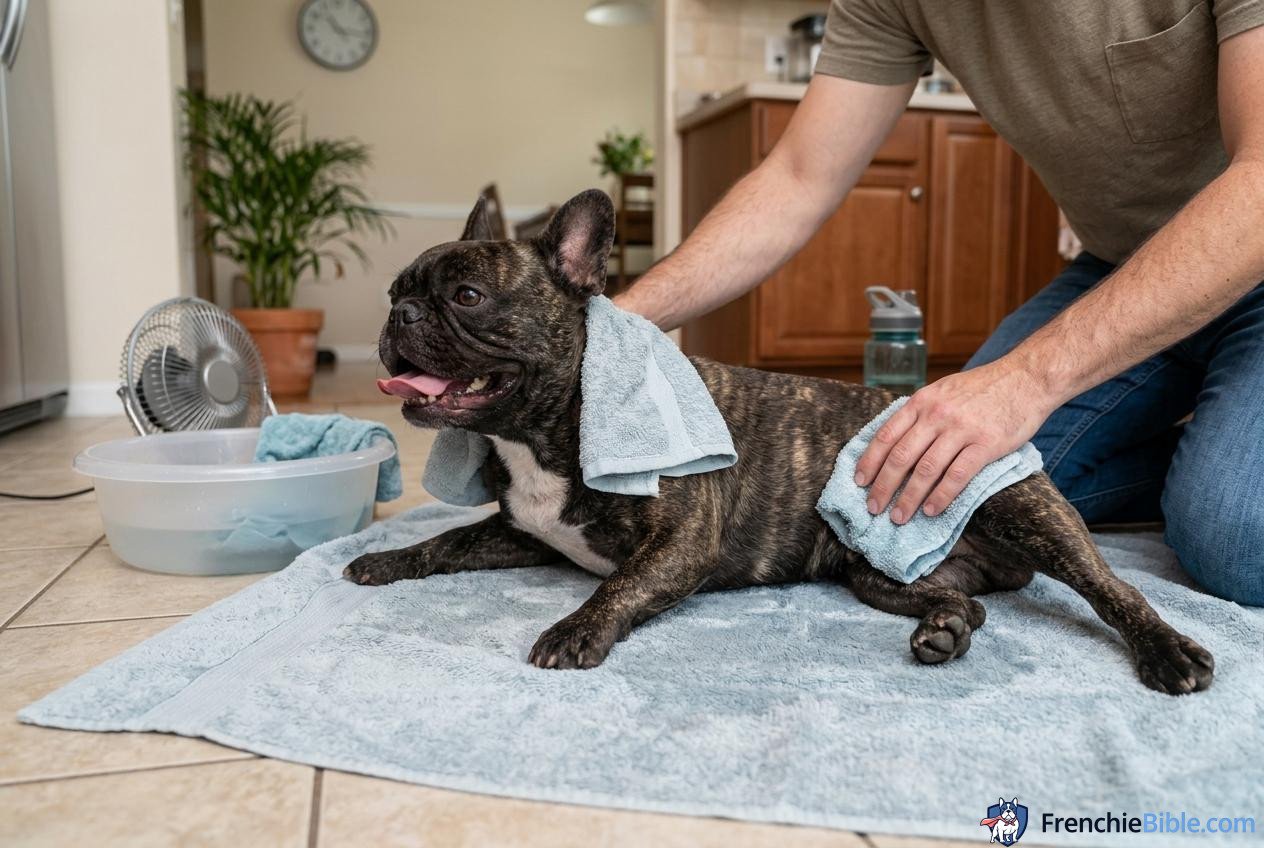
- Cooling Gear: Invest in high-quality cooling vests, cooling mats for them to lie on, and portable fans. Always carry fresh, cool water and a collapsible bowl on walks.
- Harnesses Only: Never use a collar attached to a leash for a French Bulldog. The pressure on their trachea from pulling can cause severe damage and trigger a breathing crisis. Always use a well-fitted Y-shaped harness that distributes pressure across their chest.
- Recognizing Distress: Learn the signs of heat exhaustion and respiratory distress: excessive, loud panting, a swollen or discolored tongue (turning blue or purple indicates a critical lack of oxygen), roaring or rasping sounds when breathing, lethargy, and collapse. If you see these signs, it is an immediate medical emergency. Cool the dog down gradually with cool (not freezing cold) water and get to An Experienced Breeder immediately.
The Heartbreaking but Necessary Conversations
When you take on the responsibility of a chronically ill or disabled dog, you must also be prepared to face the most difficult and heartbreaking decisions an owner can make. You must prioritize the dog’s quality of life above your own desire to keep them with you.
Quality of Life Assessments
It is essential to have ongoing, objective assessments of your dog’s quality of life. This requires removing your own emotional attachment and looking at the dog’s daily existence with clear eyes.
A helpful tool is the HHHHHMM Quality of Life Scale (Hurt Hunger Hydration Hygiene Happiness Mobility More good days than bad). Evaluate these metrics regularly.
- Hurt: Is the dog’s pain adequately controlled with medication? Are they suffering despite maximum medical intervention?
- Hygiene: Can the dog be kept clean and comfortable, especially if they are incontinent? Are they suffering from chronic urine scald or bedsores?
- Happiness: Does the dog still exhibit joy? Do they greet you? Do they enjoy their food? Do they have a spark in their eye, or are they depressed and withdrawn?
- Mobility: While a paralyzed dog in a wheelchair can have a fantastic quality of life, a paralyzed dog who is deeply depressed by their lack of mobility and refuses to adapt may be suffering.
Making Tough Medical Decisions
You will likely face crossroads where you must choose between continuing aggressive, expensive treatments or transitioning to palliative or hospice care.
For example, if your Frenchie suffers a third severe IVDD rupture, and the neurologist tells you that another surgery has a very low chance of success and a high chance of causing further suffering, you must make a decision based on compassion, not desperation.
These decisions should always be made in close consultation with your veterinary team. A good veterinarian will guide you honestly, helping you understand when medical intervention is prolonging a good life, and when it is merely prolonging the dying process or extending suffering. Choosing euthanasia when a dog’s quality of life has irreversibly deteriorated and pain cannot be managed is the ultimate act of selfless love and the heaviest burden of ownership.
The Immeasurable Reward of Rescuing a Special Needs Frenchie
Given the immense financial cost, the emotional exhaustion, and the profound heartbreak, you might wonder why anyone would ever choose to adopt a special needs French Bulldog. The answer lies in the profound, transformative power of the bond you will share.
The Unbreakable Bond Between Owner and Dog
When you dedicate your life to caring for a vulnerable, dependent animal, the bond that forms is unlike any other. You become their entire world, their protector, their nurse, and their source of comfort. The trust they place in you is absolute and humbling.
There is a unique and indescribable joy in seeing a dog who was surrendered in pain, terrified, and unable to walk, eventually learning to race around the yard in a custom wheelchair, their face split in a wide, happy Frenchie smile. There is deep satisfaction in managing a dog’s severe allergies so effectively that their coat grows back thick and shiny, and they finally stop scratching and can rest peacefully. You are giving them a second chance at life, a life they would not have had without your specific dedication and resources.
Success Stories and Inspiration
The rescue community is filled with incredible success stories. There are paralyzed Frenchies who have become certified therapy dogs, visiting hospitals and bringing joy to patients in wheelchairs, demonstrating resilience and joy in the face of disability. There are BOAS dogs who, after corrective surgery and careful management, are finally able to play with toys without collapsing, discovering a puppyhood they were previously denied by their anatomy.
These dogs do not pity themselves. They do not dwell on what they have lost or what they cannot do. They live entirely in the present moment. If they are not in pain, if they are loved, and if they are safe, they are happy. Their resilience is staggering and deeply inspiring. Adopting a special needs Frenchie will teach you profound lessons about patience, empathy, the true meaning of commitment, and the incredible capacity of the canine spirit to overcome adversity.
If you have the financial means, the emotional fortitude, the flexible lifestyle, and the boundless compassion required, rescuing a special needs French Bulldog will be one of the most challenging, exhausting, and profoundly rewarding experiences of your life.
Frequently Asked Questions (FAQs)
FAQ 1: Can pet insurance cover pre-existing conditions like BOAS or IVDD?
Generally, no. The vast majority of pet insurance companies strictly exclude any pre-existing conditions. If the dog showed any clinical signs of IVDD (like back pain) or BOAS (like heavy breathing or snoring) before you purchased the policy or during the waiting period, any future treatments related to those conditions will not be covered. You must be prepared to pay for the management and surgeries for these specific conditions entirely out of pocket.
FAQ 2: What is the average lifespan of a French Bulldog with severe health issues?
The lifespan of a Frenchie with health issues varies wildly depending on the severity of the condition and the level of medical intervention and management they receive. A Frenchie with severe, unmanaged BOAS may tragically pass away at a young age from heatstroke or heart failure. However, a dog who receives corrective airway surgery and meticulous management can live a full lifespan of 10-12 years. Similarly, a dog paralyzed by IVDD, if provided with excellent nursing care, a wheelchair, and prevention of secondary issues like urinary tract infections, can live a long, happy life equivalent to a healthy dog. The commitment to their care directly impacts their longevity.
FAQ 3: How can I tell if my Frenchie is in pain from IVDD?
French Bulldogs are notoriously stoic and often hide their pain until it is severe. Signs of IVDD pain include: a hunched or rounded back, reluctance to move, refusal to jump onto furniture or use stairs, crying or yelping when picked up (especially under the chest/belly), trembling or shivering not related to cold, panting when resting, dragging the back paws (knuckling over), walking with a “drunken” or wobbly gait, and hiding or avoiding interaction. If you see any of these signs, consider it a medical emergency and seek veterinary care immediately.
FAQ 4: Are there financial assistance programs for expensive vet surgeries?
Yes, there are some financial assistance options available, though they should not be relied upon as a primary plan, as funds are often limited and application processes can be lengthy. Organizations like The Pet Fund RedRover Relief, and breed-specific rescues sometimes offer grants for non-routine, life-saving care. Additionally, veterinary financing options like CareCredit or Scratchpay offer specialized credit lines for veterinary expenses, often with promotional interest-free periods if paid within a certain timeframe. Many veterinary teaching hospitals at universities also offer slightly lower rates than private specialty clinics.
FAQ 5: What is the best way to exercise a Frenchie with breathing problems?
Exercise must be strictly controlled and monitored for a BOAS dog. Never exercise them in warm or humid weather; stick to early mornings or late evenings. Keep walks short, slow, and low-impact. Always use a well-fitted harness, never a neck collar. Mental stimulation can be a great alternative to physical exertion to tire them out—use puzzle toys, snuffle mats, and low-impact trick training. Swimming is incredibly dangerous for Frenchies due to their heavy heads and short legs, and is strictly prohibited for dogs with breathing issues unless in a specialized, closely monitored hydrotherapy setting with a life vest.
Disclaimer
The information provided in this article is based on over ten years of extensive experience in French Bulldog breeding, rescue, and daily care management. It is intended for educational and informational purposes only. I am not a licensed veterinarian, and I do not hold any medical qualifications. The content herein does not constitute professional veterinary advice, diagnosis, or treatment. Every dog is unique, and medical conditions like IVDD BOAS, and allergies require individualized assessment and treatment by a licensed professional. You must always consult with a qualified, board-certified veterinarian or veterinary specialist regarding any health concerns, treatment plans, or surgical decisions for your pet. Never disregard professional medical advice or delay seeking it because of something you have read in this article.