
Disclaimer: I am a veterinary professional and breeder with over 10 years of experience, but the information provided in this article is for educational purposes only. It does not replace professional veterinary advice, diagnosis, or treatment. Always consult with your local veterinarian before changing your dog’s diet, especially if they have underlying health conditions.
Welcome to my clinic! Over the past decade, working as both a French Bulldog-specific veterinarian and a passionate breeder, I’ve seen thousands of Frenchies walk (or waddle) through my doors. If there’s one complaint I hear more than any other, it’s about skin. “Doc, my Frenchie won’t stop scratching,” or “Why is my Frenchie’s coat so dull and flaky?” These beautiful little bat-eared dogs are notorious for their sensitive skin, food allergies, and digestive quirks.
Related Reading: Training & Behavior | Frenchie Puppy Guide | Best Food for Frenchies
If you are a Frenchie parent, you already know that keeping them healthy is a labor of love. The secret that many commercial dog food companies don’t want you to know is that diet plays the most critical role in your French Bulldog’s skin health and coat shine. The transition from highly processed kibbles to a fresh food diet can often act like magic. In this comprehensive guide, I will share with you three of my top homemade fresh food recipes specifically designed to enhance your Frenchie’s skin and coat, utilizing my background in veterinary nutrition. We’ll dive deep into why these ingredients work, how to prepare them, and how to safely transition your Frenchie. Let’s get cooking for your best friend!
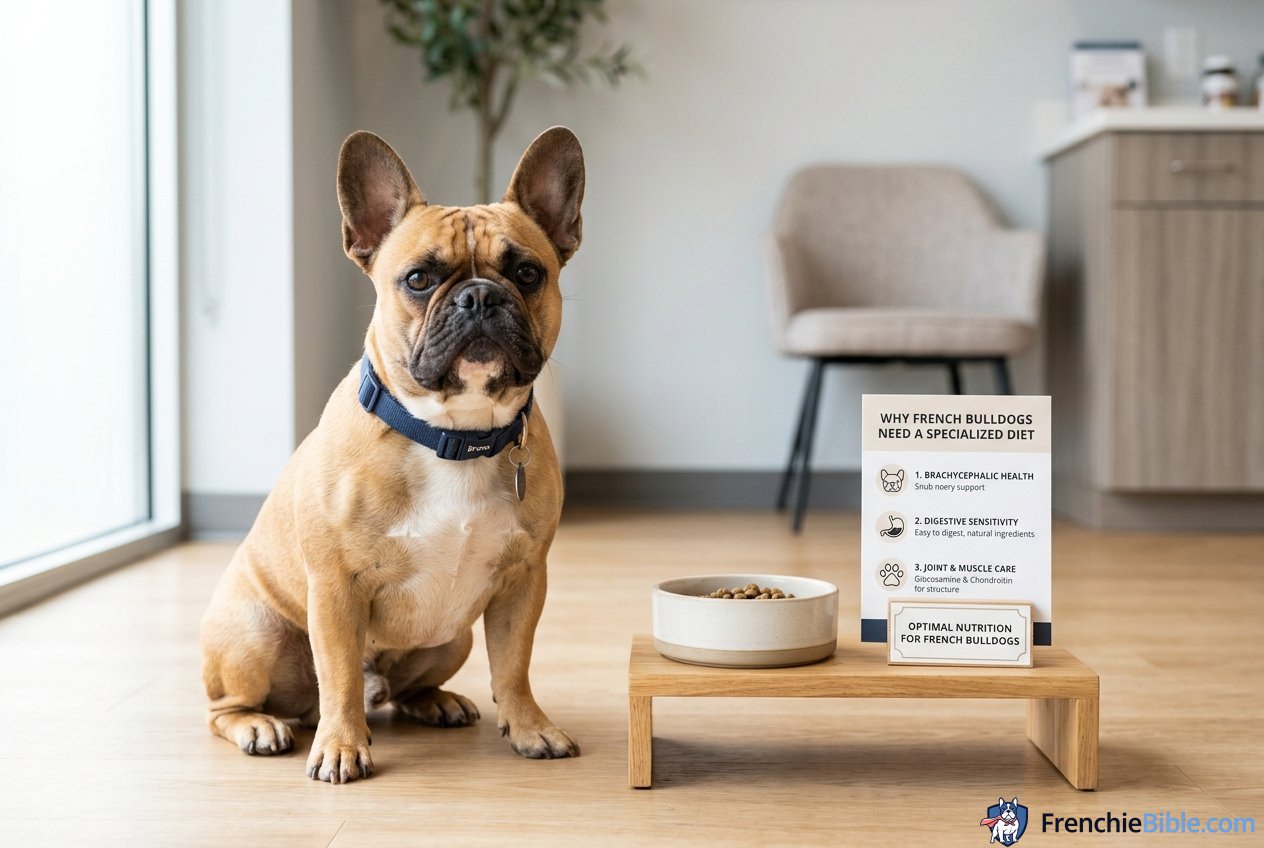
Why French Bulldogs Need a Specialized Diet
French Bulldogs are a unique breed, not just in their appearance but in their internal physiology. When you understand how their bodies work, you quickly realize why a one-size-fits-all kibble often fails them.
The Frenchie Digestive System
First, let’s talk about the Frenchie gut. They have notoriously sensitive stomachs. Flatulence (yes, the infamous Frenchie farts), soft stools, and noisy digestion are incredibly common. This sensitivity means they cannot always break down the complex, heavily processed carbohydrates and low-quality protein meals found in many commercial diets. When the gut is inflamed or unbalanced, the body cannot absorb the nutrients required for a healthy coat. Gut health directly mirrors skin health. Fresh, whole foods are much easier for their short digestive tracts to process and assimilate.
Skin Allergies and Coat Health in Frenchies
French Bulldogs are highly predisposed to Atopic Dermatitis (environmental allergies) and food allergies. The most common food allergens for dogs are actually common kibble ingredients: beef, dairy, wheat, egg, chicken, and soy. When a Frenchie is allergic to their food, their immune system goes into overdrive. This manifests as red, itchy paws, chronic ear infections, hot spots, and hair loss. By cooking homemade fresh food recipes for French Bulldogs, you take absolute control over what goes into their bowl, eliminating hidden allergens, preservatives, and artificial colors that trigger these inflammatory responses.
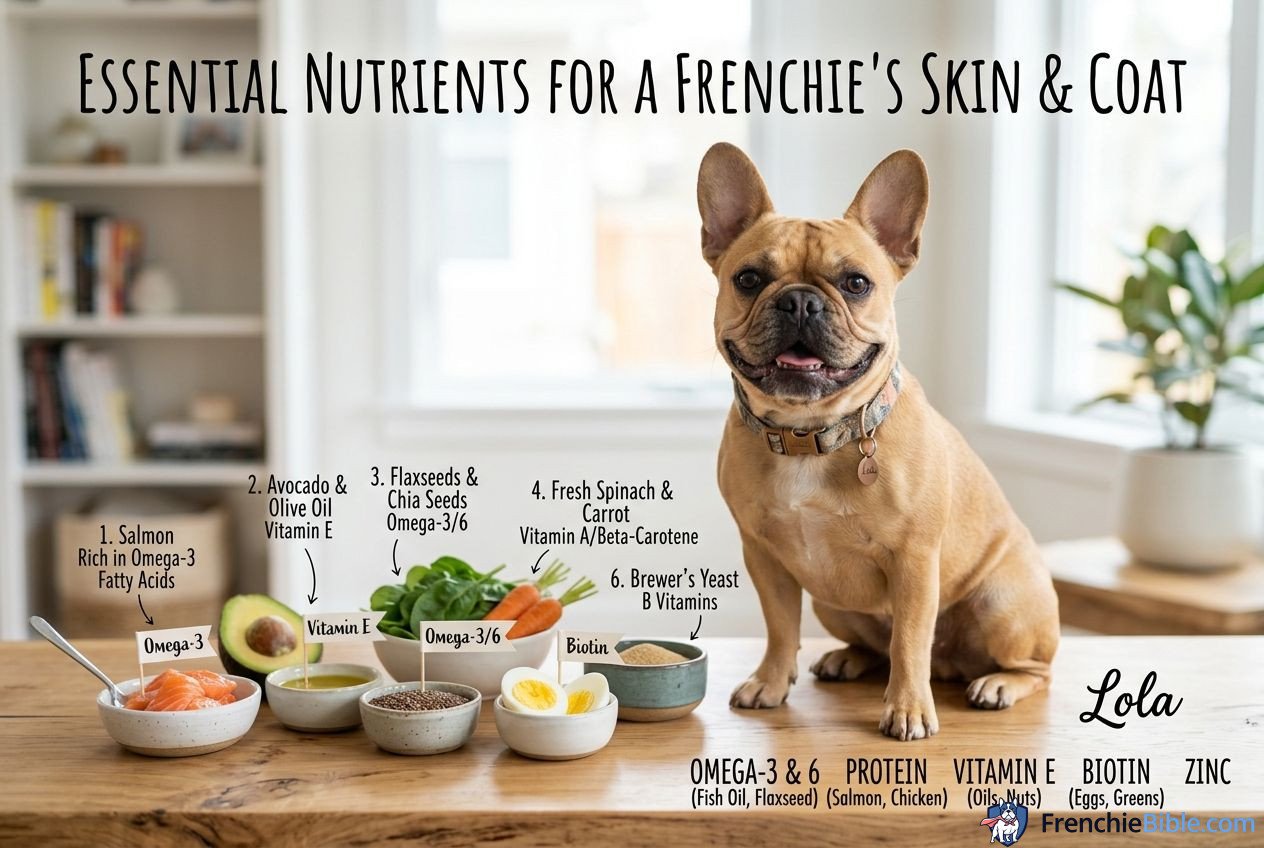
Essential Nutrients for a Frenchie’s Skin and Coat
Before we jump into the recipes, as a veterinary nutritionist, I need you to understand why we are using specific ingredients. A shiny coat and healthy skin are built from the inside out, relying on a foundation of specific macronutrients and micronutrients.
Omega-3 Fatty Acids
Omega-3 fatty acids, specifically EPA and DHA, are the holy grail of skin health. They are potent anti-inflammatories. If your Frenchie is scratching due to allergies, Omega-3s help turn down the volume on that inflammatory response. They also strengthen the skin’s lipid barrier, preventing moisture from escaping and allergens from entering. Fish, particularly oily cold-water fish like salmon and sardines, are the best sources. Plant-based sources like flaxseed provide ALA, which dogs cannot efficiently convert to EPA and DHA, so animal-based Omega-3s are crucial.
High-Quality Proteins
Hair is made almost entirely of protein (keratin). If your French Bulldog isn’t getting enough high-quality, highly digestible protein, their body will prioritize essential organ function over hair growth. The result is a dull, brittle, and thinning coat. We need lean, bioavailable proteins like turkey, wild-caught fish, and lean beef to provide the amino acid building blocks for a lush coat.
Vitamins and Minerals
Zinc, Vitamin E, Vitamin A, and B-complex vitamins are vital.
– Zinc is essential for cell replication and skin healing. Zinc deficiency leads to crusty skin, especially around the nose and paw pads.
– Vitamin E is a powerful antioxidant that protects skin cells from oxidative damage.
– Vitamin A regulates the growth of skin cells and sebum production (the natural oils that keep the coat shiny).
– B Vitamins (like Biotin) metabolize fats and proteins, directly supporting skin elasticity.
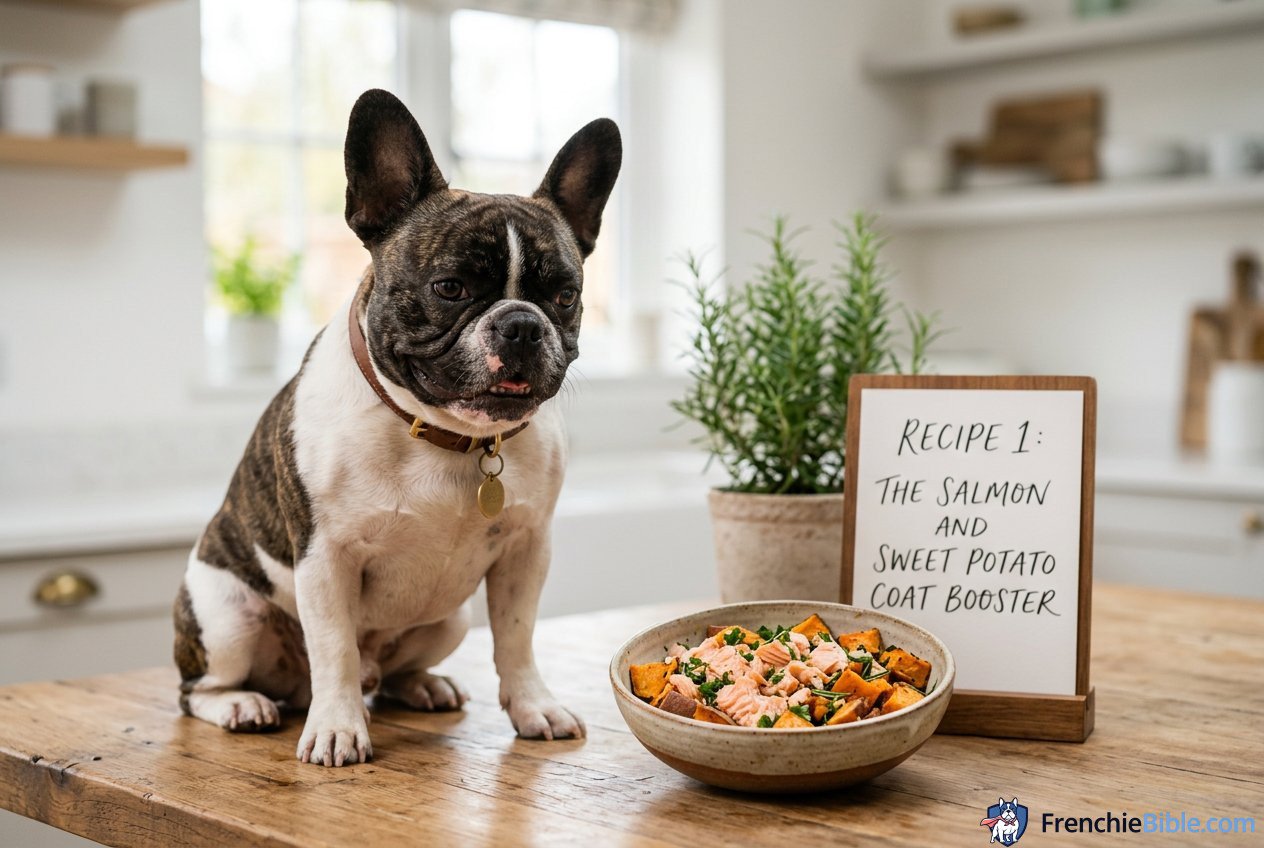
Recipe 1: The Salmon and Sweet Potato Coat Booster
This is my go-to recipe for Frenchies suffering from dry, flaky skin and a lackluster coat. Salmon is an absolute powerhouse of Omega-3 fatty acids, while sweet potato provides a highly digestible, allergy-friendly carbohydrate source rich in beta-carotene (Vitamin A).
Ingredients
- 2 lbs (about 900g) of wild-caught Salmon (boneless and skinless). Never use farmed salmon if possible, as it lacks the high Omega-3 profile and may contain unwanted dyes.
- 1.5 cups of Sweet Potatoes, peeled and cubed.
- 1 cup of Green Beans, chopped.
- 1/2 cup of Quinoa (rinsed well before cooking).
- 2 tablespoons of Coconut Oil (excellent for skin both internally and topically).
- 1 teaspoon of ground Eggshell powder (for calcium).
- A veterinary-approved canine multivitamin/mineral supplement (dose according to weight).
Preparation Instructions
- Cook the Quinoa: In a small pot, bring 1 cup of water to a boil, add the rinsed quinoa, reduce heat to low, cover, and simmer for 15 minutes until the water is absorbed. Set aside to cool.
- Steam the Veggies: Steam the cubed sweet potatoes and green beans until they are very tender. Frenchies don’t chew their food well, so soft vegetables are essential for digestion. Mash the sweet potatoes lightly once cooked.
- Cook the Salmon: Gently bake the salmon in the oven at 350°F (175°C) for about 15-20 minutes, or pan-sear it in a non-stick pan with a tiny bit of water. Ensure it is cooked all the way through to kill any potential parasites, but do not overcook it to the point of drying out. Let it cool and flake it apart with a fork, double-checking for any stray bones.
- Mix it Up: In a large mixing bowl, combine the flaked salmon, mashed sweet potatoes, green beans, and cooked quinoa.
- Add the Fats and Calcium: Melt the coconut oil slightly if it’s solid, and pour it over the mixture. Sprinkle the ground eggshell powder evenly. Mix thoroughly.
- Supplementation: Only add the canine multivitamin to the portion you are feeding immediately or right before serving, as freezing or heating can destroy some sensitive vitamins.
Why This Recipe Works
I prescribe this recipe for Frenchies with severe atopic dermatitis. The wild-caught salmon provides a massive dose of EPA and DHA to soothe inflamed skin. Sweet potatoes are a complex carbohydrate with a low glycemic index, meaning they won’t cause sugar spikes that can exacerbate yeast infections (a common issue in Frenchie wrinkles and paws). The coconut oil contains lauric acid, which has natural antibacterial and antifungal properties, supporting the skin’s immune defenses.
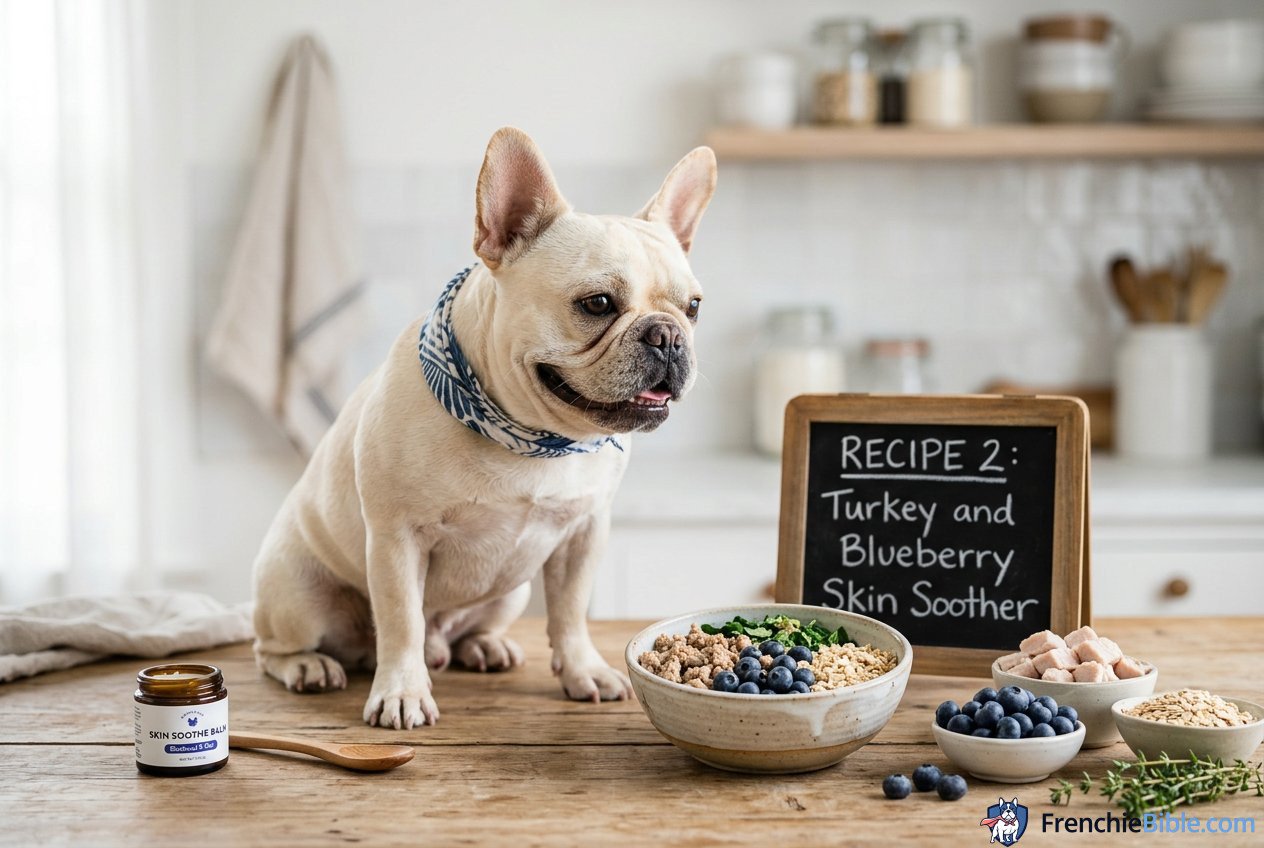
Recipe 2: Turkey and Blueberry Skin Soother
If your Frenchie is sensitive to fish or simply prefers poultry, this Turkey and Blueberry recipe is phenomenal. Turkey is a novel protein for many dogs who have been raised on chicken-based kibbles, making it a great hypoallergenic alternative. Blueberries are nature’s antioxidant bombs.
Ingredients
- 2 lbs (about 900g) of Lean Ground Turkey (preferably 93% lean).
- 1 cup of Butternut Squash, peeled, deseeded, and cubed.
- 1/2 cup of fresh or frozen Blueberries (unsweetened).
- 1 cup of Spinach, finely chopped.
- 1/2 cup of Brown Rice or Rolled Oats.
- 1 tablespoon of Hemp Seed Oil or Flaxseed Oil (added raw after cooking).
- 1 teaspoon of ground Eggshell powder.
- Veterinary-approved canine multivitamin.
Preparation Instructions
- Cook the Grains: Cook the brown rice or rolled oats according to package instructions until very soft and easily digestible.
- Brown the Turkey: In a large skillet over medium heat, cook the ground turkey until fully browned. Do not drain the fat if it’s lean turkey, as those fats are healthy, but if it seems excessively greasy, you can drain a small amount.
- Steam the Squash and Spinach: Steam the butternut squash until fork-tender. In the last minute of steaming, toss in the chopped spinach just until it wilts.
- Combine: In your large mixing bowl, mix the cooked turkey, grains, squash, and spinach.
- Add the Blueberries: Gently fold in the blueberries. If your Frenchie is picky, you can mash the blueberries slightly to release their juices into the meat.
- Finish with Oil and Calcium: Let the mixture cool completely. Once cool, stir in the Hemp Seed Oil (never heat hemp seed oil, as it destroys its delicate Omega fatty acids) and the eggshell powder.
- Supplement: Add the daily multivitamin at serving time.
Why This Recipe Works
In my practice, I love using turkey for dogs with gastrointestinal upset combined with skin issues. It’s incredibly gentle on the stomach. The butternut squash is rich in soluble fiber, which creates perfect, firm stools—a blessing for any Frenchie owner. Blueberries provide anthocyanins, powerful antioxidants that repair cellular damage caused by environmental allergens and stress. Hemp seed oil has a perfect ratio of Omega-6 to Omega-3 fatty acids, which is exactly what the skin barrier needs to repair itself and produce a glossy coat.
Recipe 3: Beef and Pumpkin Digestion & Coat Harmonizer
Sometimes, a Frenchie needs iron and B-vitamins to bring the color and luster back to their coat, and nothing does that better than lean beef. Combined with pumpkin, this recipe is a digestive lifesaver.
Ingredients
- 2 lbs (about 900g) of Lean Ground Beef (90% lean or higher).
- 1 cup of 100% Pureed Pumpkin (NOT pumpkin pie filling—just pure pumpkin).
- 1/2 cup of Zucchini, grated.
- 1/2 cup of Carrots, finely grated or steamed soft.
- 1/2 cup of Lentils (cooked very soft).
- 1 tablespoon of Olive Oil.
- 1 teaspoon of ground Eggshell powder.
- Veterinary-approved canine multivitamin.
Preparation Instructions
- Prepare the Lentils: Boil the lentils in water until they are extremely mushy. Frenchies can struggle with legumes if they aren’t cooked thoroughly.
- Cook the Beef and Veggies: In a large pan, lightly brown the ground beef. When it’s about halfway done, add the grated zucchini and carrots so they cook in the beef juices and soften completely.
- Mix in the Pumpkin: Once the beef is fully cooked and the veggies are soft, remove from heat and stir in the pureed pumpkin and cooked lentils.
- Add Oil and Calcium: Drizzle the olive oil over the mixture and sprinkle the eggshell powder, mixing thoroughly to ensure even distribution.
- Supplement: Add the multivitamin right before feeding.
Why This Recipe Works
Beef is an incredibly rich source of zinc and iron. As I mentioned earlier, zinc is absolutely critical for skin repair. If your Frenchie has crusty elbows or a dry nose, this zinc-rich meal will work wonders. The pureed pumpkin is the ultimate gut-regulator; it’s high in both soluble and insoluble fiber, helping cure both diarrhea and constipation. A healthy gut absorbs more nutrients, which directly leads to a healthier, shinier coat. Olive oil provides Vitamin E and healthy monounsaturated fats that give the fur a beautiful sheen.
How to Safely Transition Your Frenchie to Homemade Food
One of the biggest mistakes I see my clients make is switching their dog’s food overnight. A French Bulldog’s gastrointestinal tract is a delicate ecosystem of bacteria. If you suddenly change their diet from dry kibble to fresh food, you will almost certainly cause severe diarrhea, vomiting, and stomach cramps. You must transition slowly.
The 7-Day Transition Plan
Follow this veterinary-approved transition schedule to ensure your Frenchie’s stomach adapts safely to the new homemade fresh food recipes:
- Days 1 and 2: 75% old food, 25% new homemade food. Mix it well so they can’t just pick out the good stuff.
- Days 3 and 4: 50% old food, 50% new homemade food.
- Days 5 and 6: 25% old food, 75% new homemade food.
- Day 7: 100% new homemade fresh food!
Monitoring for Allergies and Digestive Issues
During this 7-day transition, you need to be a stool detective. Watch your Frenchie’s poop. A little bit of softness on days 2 or 3 is normal as their gut flora adjusts. However, if you see liquid diarrhea, mucus, or blood, or if your Frenchie starts vomiting, stop the new food immediately, go back to their old diet, and consult your vet.
Similarly, watch their skin. While we are feeding these recipes to improve skin, it’s always possible your dog has an unknown allergy to an ingredient (like beef or salmon). If they start scratching more, chewing their paws, or developing hives, they may be allergic to the main protein source. If this happens, switch to a novel protein recipe, like the Turkey and Blueberry one.
Storage and Meal Prep Tips for Busy Frenchie Parents
I know what you’re thinking: “Doc, I work full time! How am I supposed to cook for my dog every day?” You don’t have to. As a busy veterinarian and breeder, I rely on batch cooking.
Batch Cooking
Set aside two hours on a Sunday afternoon. Buy your ingredients in bulk. You can easily double or triple the recipes above. Cook everything in large pots or oven trays. By doing this once a week or once every two weeks, you save time, money, and ensure your Frenchie always has healthy food ready to go.
Freezing and Thawing Safely
Once your massive batch of food has cooled completely, divide it into daily portion sizes. You can use silicone molds, Tupperware, or Ziploc bags.
– Keep 3 days’ worth of food in the refrigerator.
– Place the rest in the freezer.
Every night, take one frozen portion and place it in the fridge to thaw overnight. Never microwave the food in plastic, and be careful not to microwave it too hot, as you will destroy the delicate Omega-3 fatty acids and vitamins we worked so hard to include! Serve the food at room temperature or slightly warmed.
Supplements to Enhance Homemade Meals
While the recipes above are highly nutritious, a homemade diet must be balanced. In the wild, dogs eat bones, organs, and glands to get all their nutrients. Because we are feeding muscle meat and veggies, we MUST supplement.
- A High-Quality Multivitamin: This is non-negotiable. Look for a veterinary-grade supplement that meets AAFCO standards to fill in any microscopic nutritional gaps.
- Probiotics: Since Frenchies have sensitive guts, adding a daily probiotic to their fresh food helps maintain healthy gut flora, reducing gas and improving nutrient absorption.
- Extra Omega-3s: If your dog is in a severe allergy flare-up, I often recommend adding a pump of high-quality wild Alaskan salmon oil directly to their bowl, even if the recipe already contains fish.
Conclusion
Feeding your French Bulldog a homemade fresh food diet is one of the most rewarding decisions you can make for their health. As a veterinarian, I have seen dogs transform from lethargic, itchy, bald-patched pups into vibrant, glossy-coated, energetic companions simply by changing what’s in their bowl.
The three homemade fresh food recipes for French Bulldogs provided here—the Salmon Coat Booster, the Turkey Skin Soother, and the Beef Harmonizer—are designed with your Frenchie’s unique biology in mind. Remember to transition slowly, always use a balanced vitamin supplement, and enjoy the process of cooking for your best friend. Their shiny coat and happy wiggles will be all the thanks you need!
Frequently Asked Questions (FAQs)
1. Can I feed my French Bulldog raw food instead of cooking it?
While raw diets are popular, as a veterinarian, I generally recommend gently cooking the food for French Bulldogs. Frenchies have sensitive digestive tracts, and cooking the meat eliminates the risk of bacterial pathogens like Salmonella and E. coli, which can severely impact a dog with an already compromised immune system or gut issues. Cooking also makes certain vegetables easier to digest.
2. How much of this homemade food should I feed my Frenchie per day?
Portion sizes vary greatly depending on your Frenchie’s age, weight, activity level, and metabolism. A general rule of thumb is to feed 2% to 3% of their ideal body weight in fresh food per day. However, you must monitor their waistline. If they are losing weight, increase the portion; if they are getting chunky (a common Frenchie problem!), reduce it. Consult your vet to calculate their exact caloric needs.
3. My Frenchie is allergic to poultry and beef. What can I use instead?
If your Frenchie has severe protein allergies, you need to use “novel proteins”—meats they have never been exposed to before. Excellent alternatives include venison, rabbit, duck, or kangaroo. You can substitute the turkey or beef in these recipes with equal amounts of these novel proteins.
4. Do I really need to add eggshell powder or calcium to the recipes?
Absolutely, 100% yes. Meat is very high in phosphorus and very low in calcium. If you feed a diet without added calcium, your dog’s body will pull calcium from their own bones to balance the blood, leading to severe skeletal issues, fractures, and osteoporosis over time. Eggshell powder or a veterinary calcium supplement is mandatory for balancing homemade dog food.
5. How long will it take to see an improvement in my Frenchie’s skin and coat?
Skin cells take time to regenerate, and hair takes time to grow. You generally won’t see overnight results. Most of my clients start noticing less scratching and better digestion within the first 2-3 weeks. A noticeable improvement in coat shine and softness usually takes about 6 to 8 weeks on the new fresh food diet. Patience is key!