

As a seasoned French Bulldog breeding expert and with over 10 years of dedicated, hands-on experience in canine genetics, behavior psychology, structural integrity, and daily nutritional care I have witnessed nearly every conceivable interaction between our beloved Frenchies and other dog breeds. Over the past decade, one of the most consistently alarming and potentially devastating scenarios I see novice—and sometimes even intermediate—owners unwittingly place their dogs into is the large, unrestricted dog park environment. The French Bulldog, with its undeniable charm, comical personality, and seemingly robust, compact, and muscular body, very often gives owners a completely false sense of security. Because they feel heavy and solid when you pick them up, many owners assume they are “tough” enough to run with the big dogs. However, when we place these small, anatomically compromised companions in the same unmonitored enclosure as massive, highly athletic, and powerful breeds like the Cane Corso or the American Pitbull Terrier, we are essentially inviting a catastrophic disaster.
The stark reality of canine body mechanics, deeply ingrained prey drive, and massive size disparities simply cannot be ignored or wished away by assuming “all dogs are good boys.” In this highly detailed, comprehensive guide, we are going to dive deeply into the fundamental differences in size, skeletal strength, behavioral instincts, and play styles between French Bulldogs and large working or terrier breeds. My primary goal is to equip you with the expert knowledge needed to protect your Frenchie, understand their genetic limitations, and prevent them from inadvertently being treated as prey at the local dog park.
Related Reading: Training & Behavior | Grooming & Care | French Bulldog Colors
The Reality of the Large Dog Park: Why Size Matters for Your Frenchie
Dog parks are frequently marketed and idealized as canine utopias—a joyous place where dogs of all shapes, sizes, backgrounds, and breeds can run freely, play exuberantly, and socialize without the constraint of leashes. But from a behavioral, genetic, and anatomical standpoint, a mixed-size dog park is a highly chaotic, unpredictable environment fraught with hidden dangers. When you mix a 25-pound companion dog with a 100-pound guardian breed, the physics of their interactions heavily favor the larger dog, often to the severe detriment of the smaller one.
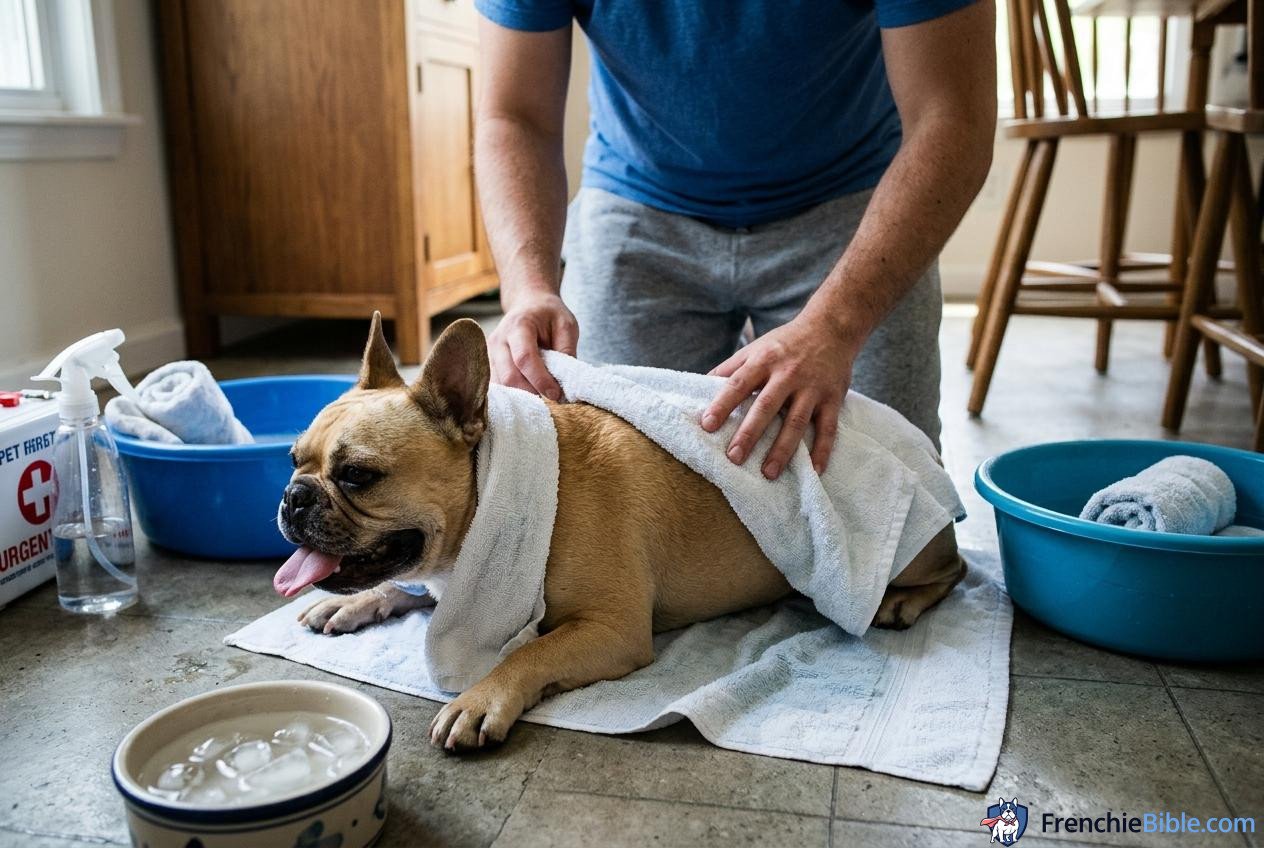
Understanding the French Bulldog’s Physical Limitations
To truly grasp exactly why the large dog park is such an extreme hazard, we first have to take a microscopic look at the French Bulldog’s unique anatomy and breeding history. Bred over generations primarily as lap dogs and companion animals for lace workers in England and later the elite of Paris Frenchies typically weigh between 16 to 28 pounds and stand only about 11 to 13 inches tall at the shoulder. They possess a heavy, dense bone structure for their relatively small size, giving them a “dense” or “tank-like” feel. However, this density absolutely does not translate to defensive capability or physical resilience against a dog that is three to five times their size.
Furthermore French Bulldogs are brachycephalic, meaning they have a shortened skull, a flat face, and a highly compromised upper respiratory system. This anatomical feature severely limits their cardiovascular endurance, their ability to regulate body temperature through panting, and their capacity to recover quickly from intense physical exertion. When a Frenchie tries to keep up with a long-legged, deep-chested breed like a Pitbull that was bred for sustained physical activity, the Frenchie is pushed past its physiological limits within mere minutes. They cannot run fast enough to escape a pursuing dog, nor do they possess the stamina to sustain a high-speed chase. Their natural defense mechanisms are virtually non-existent when compared to purpose-bred guardian, hunting, or working dogs. In the wild, or in an uncontrolled park setting, this lack of stamina and speed makes them highly vulnerable.
The Prey Drive Instinct in Large Breeds Like Pitbulls and Cane Corsos
When discussing working and terrier breeds like the Cane Corso (an ancient Italian Mastiff bred for guarding sprawling estates, hunting large and dangerous game like wild boar, and providing personal protection) and the American Pitbull Terrier (a breed with a complex historical background involving terrier tenacity, bulldog strength, and high-stakes working environments), we must thoroughly address the biological concept of prey drive.
Prey drive is a completely natural, instinctual, and deeply ingrained canine behavior. It is the sequence of behaviors that involves searching, stalking, chasing, catching, biting, and ultimately killing. While domestic dogs have had many of these sequences modified, suppressed, or channeled through generations of selective breeding, the urge to chase small, fast-moving, erratic, or distressed objects remains incredibly strong in many large breeds.
A French Bulldog—especially one that is panicked, squealing in fear, or running away rapidly—can instantaneously and inadvertently trigger this predatory sequence in a larger dog. What starts as a seemingly innocent, albeit rough, game of chase can flip into a deadly predatory response in the blink of an eye. This phenomenon, scientifically referred to as “predatory drift,” is one of the leading causes of fatal or near-fatal dog park incidents involving small breeds. When predatory drift kicks in, the large dog is no longer “playing”; their brain has shifted into hunting mode, and the Frenchie is no longer seen as a fellow canine, but rather as prey.
A Closer Look at the Size and Power Disparities
To put the extreme danger into proper perspective, we need to break down the sheer physical and mechanical differences between these breeds. It is not just about the numbers on a scale; it is about muscle distribution, skeletal durability, bite force, kinetic energy, and agility.

The French Bulldog: Compact but Extremely Vulnerable
As previously mentioned, a healthy, standard French Bulldog maxes out around 28 pounds. Their center of gravity is exceptionally low, which makes them feel sturdy and grounded against minor bumps from dogs of a strictly similar size, like Pugs or Boston Terriers. However, their neck is thick but structurally short, and their spine is notoriously vulnerable to severe injury.
Through my years of breeding and observing canine genetics, it is a well-known fact that Hemivertebrae (malformed, butterfly-shaped vertebrae) and Intervertebral Disc Disease (IVDD) are highly prevalent in the French Bulldog breed due to their chondrodysplastic (dwarfism) traits. A single hard tumble, being forcefully rolled over by a larger dog, or a sudden, violent jerk can lead to catastrophic spinal injuries, immediate paralysis, and the need for exorbitant emergency surgical interventions. Additionally, their wide-set, prominent eyes are highly prone to blunt force trauma, corneal ulcers, and prolapse (commonly known as cherry eye) if accidentally swiped by the massive, heavy paw of a large breed during rough play. Their physical structure is simply not designed to absorb heavy impacts.
The Cane Corso: The Italian Mastiff Juggernaut
Now, let us contrast the diminutive Frenchie with the Cane Corso. A mature, well-muscled Cane Corso can weigh anywhere from 90 to over 120 pounds and stand 25 to 27.5 inches at the shoulder. They are a classic mastiff-type breed, characterized by immense bone density, a massive, blocky head, and a heavily muscled, imposing frame.
A Cane Corso bounding across a grassy dog park generates an absolutely incredible amount of kinetic energy. If a Cane Corso accidentally collides with a French Bulldog while running at full speed, the impact is mechanically akin to a compact car being struck head-on by a speeding freight train. Furthermore, the Cane Corso was bred historically to catch, hold, and take down large, aggressive prey. Their bite force is tremendous, easily capable of crushing bone. While many Corsos are raised to be gentle, loving giants within their own families when properly socialized, the dog park environment is highly stimulating, chaotic, and unpredictable. This over-stimulation can cause even a well-trained, obedient dog to become highly over-aroused, leading to rough play that a Frenchie’s body simply cannot survive.
The American Pitbull Terrier: Muscle and Agility Combined
The American Pitbull Terrier (APBT) is generally smaller than the Cane Corso but more than makes up for the size difference in sheer athleticism, explosive speed, and unmatched tenacity. Weighing between 30 and 65 pounds and standing 17 to 21 inches tall, the APBT is essentially a bundle of fast-twitch muscle fibers engineered for performance.
They are incredibly agile, quick to pivot, and often engage in a highly physical, body-slamming, wrestling style of play. While Pitbulls are widely known for their profound loyalty and deep love for human companions, they can possess varying degrees of dog-selectivity or dog-aggression, combined with a naturally high prey drive inherited from their terrier ancestors. When a Pitbull plays roughly with a French Bulldog, the Frenchie’s profound lack of agility makes it completely impossible for them to evade a body check or a playful nip. The terrier tenacity means that if a play session suddenly escalates into a scuffle due to miscommunication, it can be extremely difficult to safely separate the dogs before serious, life-altering damage is inflicted upon the much smaller French Bulldog.
The Hidden Dangers of “Just Playing”
As a seasoned observer of canine behavior I can assure you that one of the most dangerous, ignorant, and frustrating phrases you can ever hear a negligent owner yell across a dog park is, “Don’t worry, they’re just playing!” Play behavior in dogs is, fundamentally, a rehearsal of hunting, fighting, and survival skills. When dogs of similar size, weight, and temperament play, it is a healthy, enriching, and necessary activity. But when the size difference is extreme, “play” immediately becomes a life-threatening risk.
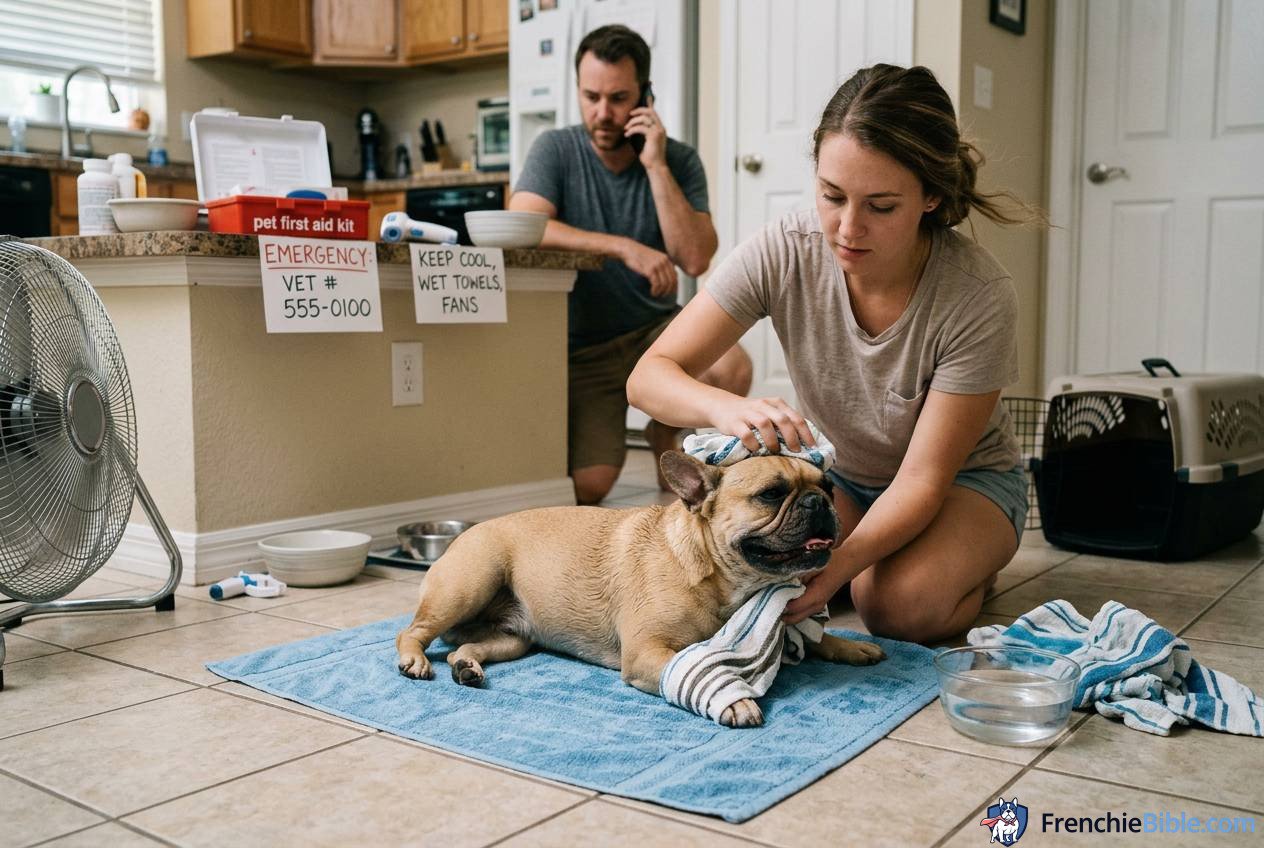
Accidental Injuries from Massive Weight Differences
Even with the absolute best intentions and a purely friendly demeanor, a 100-pound dog simply cannot play safely with a 25-pound dog. Physics will not allow it. I have seen and heard of French Bulldogs sustaining torn ACLs, painfully fractured ribs, collapsed tracheas, and severe spinal concussions purely by accident during “friendly” play.
A large dog may try to playfully instigate a game of tag by pawing at the Frenchie’s back. A single, heavy-handed paw strike from a Cane Corso carries enough downward force to cause concussions or spinal compression. If the large dog decides to playfully roll over on top of the Frenchie, the sheer weight disparity can cause severe internal crushing injuries, organ rupture, or rapid asphyxiation. The smaller dog is completely at the mercy of the larger dog’s spatial awareness, which is often severely lacking in a highly aroused state of play.
Misinterpreted Body Language and Conflicting Play Styles
Dogs have distinct, genetically hardwired play styles based on their breed history. French Bulldogs often play like little tanks or bumper cars—they love to wrestle on the ground, chest-bump, tackle, and vocalize heavily with strange, gremlin-like grunts and snorts.
To a Cane Corso or a Pitbull, this rough, vocal, and seemingly aggressive style of play can easily be misinterpreted as a direct challenge or genuine aggression. Conversely, when a Pitbull engages in its typical high-speed, body-slamming, neck-biting play, the French Bulldog will quickly feel overwhelmed, trapped, and forced to react defensively.
Adding to this communication barrier is the Frenchie’s unique physical appearance. Because Frenchies lack a long, expressive tail (they possess a tightly naturally docked or stumped nub), have virtually no snout, and their large bat ears are permanently erect, their canine body language is severely muted and can be incredibly difficult for other breeds to read accurately. A large dog might completely miss the Frenchie’s subtle “back off” or “I am scared” signals until the panicked Frenchie snaps in self-defense. This sudden defensive snap can immediately trigger an aggressive, retaliatory, or predatory response from the much larger dog, escalating the situation instantly.
The Tragic Shift from Play to Predatory Drift
Predatory drift is a crucial behavioral concept that absolutely every small dog owner must thoroughly understand. It occurs when two dogs are engaged in seemingly normal, mutually agreeable play, but a specific trigger causes a sudden, primitive shift in the larger dog’s brain, instantly moving them from a state of play into a state of predation.
This dangerous trigger is most often a high-pitched yelp of pain (which perfectly mimics a dying prey animal), the small dog tripping, falling over, and thrashing, or the small dog suddenly turning and sprinting away in absolute terror. Once predatory drift occurs, a switch flips. The larger dog no longer sees the Frenchie as a fun playmate; they see them entirely as a rabbit, a squirrel, or a fleeing prey animal. The natural bite inhibition that dogs use during play completely vanishes, and the larger dog will strike with full force, often aiming for the neck or spine, with the instinctual intent to kill. Because of the French Bulldog’s small size and inability to defend itself, they are incredibly, tragically vulnerable to this specific phenomenon. This is precisely why allowing your Frenchie to roam in a large dog park is a gamble of their life that you should never, ever take.
Expert Breeding Insights: Why Frenchies Aren’t Built for Rough Housing
From a purely structural and breeding perspective, absolutely every single aspect of the French Bulldog’s physical design points toward low-energy companionship rather than canine combat, endurance sports, or rough-and-tumble park play. When I carefully evaluate litters, study pedigrees, and monitor the long-term physical development of Frenchies, it becomes abundantly, undeniably clear that their structural integrity is highly compromised when subjected to intense physical stressors.
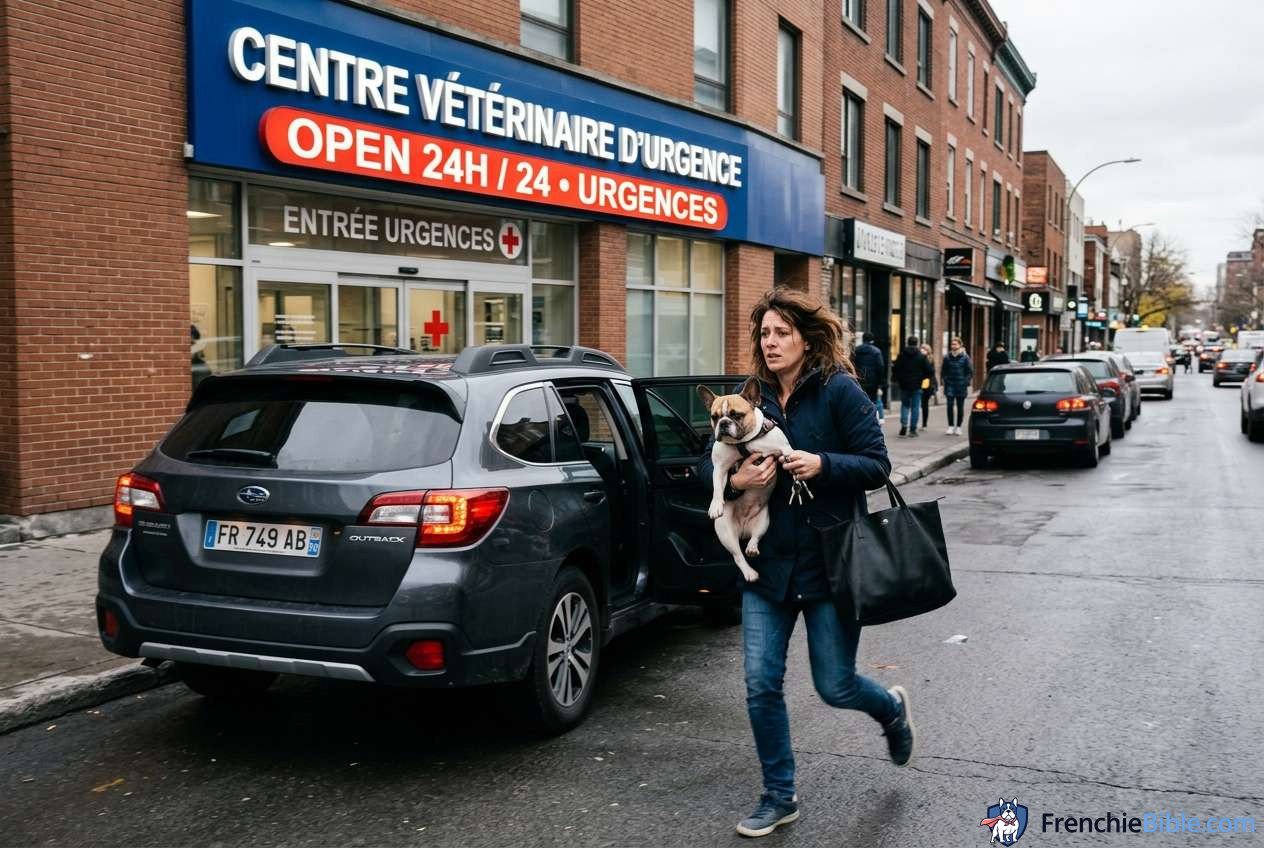
Brachycephalic Airway Syndrome and Rapid Exhaustion
As a brachycephalic breed Frenchies suffer from varying degrees of Brachycephalic Obstructive Airway Syndrome (BOAS). They possess an elongated soft palate that blocks the airway, stenotic nares (severely pinched nostrils), and very often a hypoplastic trachea (a narrow windpipe). Every single breath they take requires significantly more physical effort and negative pressure than a dog with a normal, elongated muzzle length.
In a chaotic dog park setting, the high excitement, stress, and physical exertion demand an immense amount of oxygen that the Frenchie’s body simply cannot supply. When a Frenchie is being chased by a larger, faster, athletic dog like a Pitbull, they will rapidly reach a state of dangerous hypoxia (severe oxygen deprivation).
Furthermore, dogs do not sweat like humans; they cool themselves almost entirely through the evaporation of moisture on their tongue and within their nasal passages while panting. Because the internal surface area of a Frenchie’s nasal passages is drastically reduced and compressed, their cooling mechanism is severely defective. This leads to rapid overheating, hyperthermia, and potentially fatal heatstroke in a matter of minutes. A Frenchie running for its life or stubbornly trying to evade a relentless large dog will literally push itself to the point of collapse and death. I have had to counsel far too many heartbroken, devastated owners whose perfectly healthy Frenchies suffered fatal heatstroke simply because they were trying desperately to keep up with the “big dogs” on a warm day at the park.
Spinal Vulnerabilities and High IVDD Risks
The skeletal structure of the French Bulldog is essentially a miniaturized, compacted version of the mastiff archetype, but unfortunately, it carries specific, highly detrimental genetic vulnerabilities. Chondrodystrophy—the specific genetic trait that gives them their adorable short, bowed legs and compact stature—also fundamentally alters the cartilage and structure of their spinal discs. These spinal discs are highly prone to premature calcification, hardening, and degeneration, a debilitating condition known as Intervertebral Disc Disease (IVDD).
Even a perfectly healthy, incredibly well-bred Frenchie from champion bloodlines still carries this structural anomaly. It is baked into the breed standard. All it takes is a single sudden twist, an awkward landing, a heavy impact from a 60-pound Pitbull slamming into their side, or being violently knocked off their feet for a compromised disc to rupture and forcefully compress the delicate spinal cord. The financial cost of emergency MRI scans and IVDD spinal surgery frequently exceeds $8,000 to $12,000, not to mention the immense emotional toll and the long, grueling physical rehabilitation required—if the dog ever walks again at all. Knowing this, why would any responsible owner ever risk their dog’s lifelong mobility for a quick trip to the large dog park?
How to Safely Socialize Your French Bulldog
Understanding these severe, life-threatening risks does not mean you should lock your French Bulldog in a padded bubble and never let them see the outside world. Proper socialization is a highly critical aspect of overall canine behavioral health and mental well-being. A poorly socialized Frenchie can become fearful, reactive, and deeply unhappy. However, as an informed, responsible owner, you must actively curate, strictly control, and meticulously manage these social interactions to ensure they are always safe, positive, and structurally appropriate for a fragile French Bulldog.
The Absolute Importance of Small Dog Parks
If you are absolutely determined to use a public dog park facility, you must strictly and unapologetically adhere to the designated small dog areas. These specific enclosures typically have a strict weight limit posted at the gate (usually 25 to 30 pounds max), which perfectly and safely accommodates the standard French Bulldog.
In this tailored environment, your Frenchie can freely engage in their natural, goofy, chest-bumping play style with other structurally similar breeds like Pugs Boston Terriers Corgis, and small spaniels without the constantly looming, terrifying threat of a 100-pound juggernaut accidentally crushing them.
However, vigilance is still required. Always carefully scan the small dog park before entering. Unfortunately, you will frequently encounter entitled owners of large-breed puppies or highly energetic medium-sized dogs who will illegally and selfishly use the small dog section because “their dog is friendly” or “the big dogs play too rough for him.” If you see a dog inside that clearly exceeds the weight limit, appears overly dominant, or is playing far too roughly, do not enter the gate. Turn around and go for a walk instead. Your dog’s safety, health, and life are always infinitely more important than the temporary convenience of the park or avoiding an awkward conversation with a stranger.
Arranged Playdates with Similar-Sized Breeds
From my professional standpoint, the absolute best, safest, and most mentally enriching way to socialize your French Bulldog is through carefully arranged, private playdates with dogs of known temperament, similar size, and verified health status. Networking with other dedicated Frenchie owners, joining local pug groups, or participating in small dog meetup clubs allows you to control the environment, the participant list, and the energy level completely.
When dogs of a very similar physical build and play style interact, they communicate much more effectively, the risk of accidental blunt-force injury drops dramatically, and the play remains mutually beneficial rather than terrifying. Frenchies generally play best with other brachycephalic breeds. Why? Because they have identical stamina levels and physical limitations; when one gets out of breath and needs to flop down on the grass for a break, the other one usually does exactly the same thing at the exact same time.
Recognizing the Subtle Signs of Overwhelm in Your Frenchie
As a responsible, proactive owner, you must learn to expertly read your French Bulldog’s subtle body language. Even in a perfectly curated small dog setting, they can become overstimulated, bullied, or exhausted. Signs that your Frenchie is no longer having fun and is slipping into distress include:
– A tightly tucked tail (or clamping their nub down hard over their rear)
– Ears pinned completely flat backwards against the skull
– “Whale eye” (showing the white sclera of their eyes in fear)
– Panting excessively fast with a wide, flat, spoon-shaped tongue (a critical early warning sign of severe heat stress and oxygen depletion)
– Actively trying to hide behind your legs, scrambling to jump into your lap, or demanding to be picked up
– Snapping, lunging, lip-licking excessively, or displaying defensive fear-aggression
If you observe absolutely any of these signs, the play session is immediately over. Do not wait to see if they “work it out.” Step in, confidently leash your dog, and remove your Frenchie from the environment immediately to allow their nervous system and breathing to decompress safely.
What to Do If a Large Dog Targets Your French Bulldog
Despite your absolute best efforts, vigilance, and avoidance tactics, you may eventually find yourself in a terrifying situation where an off-leash large dog—like a loose Cane Corso, an escaped Pitbull, or a poorly managed German Shepherd—approaches your Frenchie aggressively, with extreme dominance, or with intense, locked-on predatory focus. Knowing exactly how to react in these critical seconds can mean the literal difference between life and death for your dog.
Staying Calm and Quickly Assessing the Situation
First and foremost, you must control your own adrenaline. Do not scream at the top of your lungs, do not turn your back and run away, and do not flail your arms wildly in the air. High-pitched, panicked noises and rapid, erratic movements perfectly mimic the behavior of dying prey and will only serve to instantly escalate the approaching large dog’s arousal and trigger their prey drive.
Force yourself to keep your body loose but maintain a firm, wide, grounded stance. Quickly and clinically assess the approaching dog’s body language: is its body loose, wiggly, curving, and curious, or is it rigid, stiff, staring fixedly without blinking, with its weight shifted entirely forward? A hard, unblinking stare, a closed mouth, and a stiffly wagging tail held high are terrifying precursors to a predatory or aggressive strike.
Safe Intervention Techniques for Owners
If you determine that the large dog is approaching with predatory or aggressive intent, your immediate priority is to break their line of sight, interrupt their focus, and physically protect your dog.
- The Confident Body Block: Immediately step firmly in front of your French Bulldog, using your legs and body to create a solid physical barrier between the threat and your dog. Stand as tall as possible, puff out your chest, point directly at the approaching dog, use a deep, booming, authoritative, and angry voice, and give a firm command like “NO!” “STOP!” or “GO HOME!” Often, projecting intense confidence can cause an unsure dog to hesitate or retreat.
- The “Wheelbarrow” Technique: If a nightmare scenario occurs and the large dog attacks and has firmly grabbed your Frenchie in its jaws, never, ever put your hands, face, or arms near the biting dog’s mouth, or you will be severely maimed. If you absolutely must physically intervene to save your dog’s life, quickly step behind the attacking dog, firmly grab both of its back legs by the ankles (just above the paws), and forcefully lift them straight upward and backward into the air, exactly like lifting the handles of a wheelbarrow. This completely destabilizes the dog’s balance, removes their leverage, and very often forces them to release their grip in confusion. Once they release, slowly walk backwards while holding the legs, forcing them to move away from your dog.
- Carrying Emergency Tools: I absolutely always recommend carrying a strong citronella spray (such as PetSafe Spray Shield) or a professional canine break stick if you are walking your Frenchie in public areas known for off-leash large breeds. A direct blast of citronella spray to the nose can strongly startle and temporarily blind an aggressive dog just long enough to break their intense focus, giving you the crucial three seconds you need to safely scoop your Frenchie up into your arms and retreat to safety.
Ultimately, the absolute most effective intervention is proactive prevention. Never, ever enter an enclosed space with large, powerful breeds, constantly scan the horizon for off-leash dogs, and always remain hyper-vigilant of your surroundings when out in public.
Conclusion: Be Your Frenchie’s Ultimate Advocate
Your French Bulldog relies entirely and completely on your human judgment, foresight, and protection for their safety, health, and well-being. They simply do not possess the cognitive ability to understand that they are small, physically vulnerable, and genetically anatomically disadvantaged; they only know that they are curious, they want to explore the world, and they want to interact with others.
By deeply understanding the immense, dangerous size disparity, the terrifying reality of predatory drift, and the specific, undeniable physical limitations of the French Bulldog breed, you can make informed, highly protective decisions every single day. Keep them firmly out of the large dog park, curate their social circle with extreme care and prejudice, and always, without hesitation, advocate fiercely for their safety. It is your ultimate responsibility as their guardian.
Frequently Asked Questions (FAQs)
1. Can a French Bulldog ever safely play with a Cane Corso or Pitbull if they grow up together?
Even if they are raised in the exact same household from puppyhood, the inherent physical risk is simply too astronomical. While they may share a deep familial bond and the large dog may have zero aggressive intent, the massive size, muscle density, and weight difference means that even a completely accidental bump, a playful paw strike, or tripping over the smaller dog can cause catastrophic, paralyzing injury to a Frenchie’s fragile spine or eyes. From a professional breeding and structural safety standpoint, it is highly discouraged to allow unrestricted, rough play between them.
2. How do I precisely know if my Frenchie is actually playing or being aggressively bullied?
Healthy, safe canine play is always reciprocal, bouncy, exaggerated, and involves frequent role reversals (taking turns chasing and then being chased, playfully pinning and then being pinned). Bullying or early predatory behavior is strictly one-sided and relentless. If your Frenchie is constantly running away, tucking their hindquarters low to the ground, trying desperately to hide under benches or behind your legs, or showing the whites of their eyes while panting heavily, they are being bullied, they are terrified, and you must intervene and remove them immediately.
3. Are designated small dog parks completely, 100% safe for my Frenchie?
No environment on earth is 100% safe. While small dog parks completely remove the terrifying risk of massive weight disparities and large-breed predatory drift, you still need to actively monitor the enclosure for aggressive or poorly socialized small dogs. You must also ensure your Frenchie is not overheating from running too much, and actively watch out for ignorant owners illegally bringing inappropriately large dogs into the small enclosure. Constant, focused supervision is always required.
4. What essential items should I always bring to the dog park for my French Bulldog’s safety?
You must always bring plenty of fresh, cool water and a collapsible travel bowl, as brachycephalic Frenchies overheat incredibly quickly and require frequent, mandatory hydration and cooling breaks. A well-fitted, sturdy harness with a strong handle on the back is absolutely excellent for quickly, safely scooping them vertically out of a dangerous scuffle. Additionally, carrying a non-lethal deterrent like citronella dog spray is a highly wise precaution against unexpected off-leash, approaching large dogs.
5. Exactly why do large working dogs sometimes inexplicably mistake small dogs for prey?
Many large working and terrier breeds have been highly selectively bred over centuries to hunt, guard property, catch large game, or eradicate vermin. When a small dog like a Frenchie runs erratically, squeals in a high pitch, or exhibits intense fear, it directly triggers the larger dog’s deeply instinctual, hardwired “prey sequence” (search, stalk, chase, catch, bite). This is known scientifically as predatory drift, where a switch flips in the dog’s brain, and they instantly stop seeing the smaller dog as a fellow canine playmate and instead start viewing it entirely as a prey animal to be hunted.
Disclaimer: The information, advice, and perspectives provided in this comprehensive article are based entirely on over a decade of hands-on, dedicated professional experience in French Bulldog breeding, canine behavioral observation, genetic study, and daily nutritional and physical care. I am not a licensed veterinarian, and I possess absolutely no formal medical or veterinary qualifications. The entire contents of this article are intended solely for informational and educational purposes to assist owners in daily care and management, and this information should never, under any circumstances, be used as a substitute for professional veterinary advice, formal medical diagnosis, or medical treatment. If your dog sustains an injury, exhibits signs of physical distress, or requires medical attention, please consult a licensed, qualified veterinarian immediately.