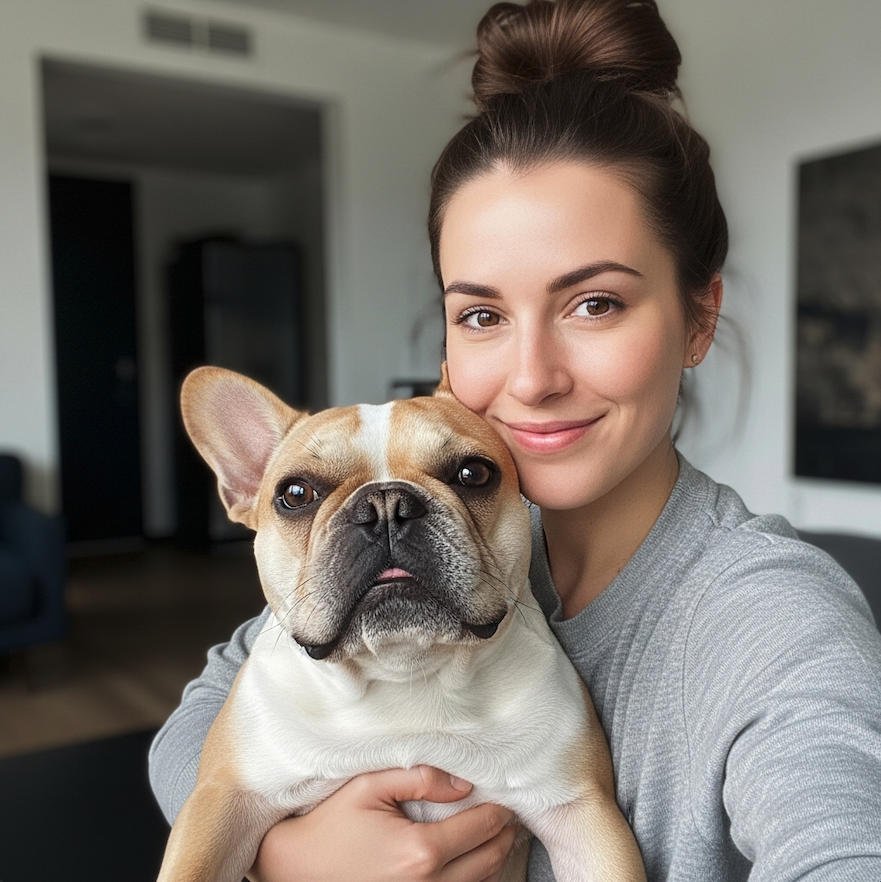

Are you a proud French Bulldog parent wondering if it is time to expand your furry family? If you are reading this, you are likely considering bringing a second dog into your home. As a Frenchie owner, you already know that these little bat-eared clowns bring an unparalleled amount of joy, laughter, and affection into our lives. But you might also be wondering: what is the best companion dog to live with a French Bulldog?
Over the past 10 years of my career as a senior French Bulldog breeding expert and behavioral specialist I have placed hundreds of Frenchie puppies in loving homes and advised countless families on multi-dog households. I have seen firsthand what combinations thrive in perfect harmony and which pairings can lead to stressful living situations. French Bulldogs are unique—they have distinct physical traits, specific play styles, and a quirky personality that demands a very particular type of canine companion.
Related Reading: Training & Behavior | Grooming & Care | French Bulldog Colors
In this comprehensive guide, we will dive deep into the psychology, physical needs, and social dynamics of French Bulldogs to determine the absolute best breeds to pair with them. Whether you are a novice owner looking for your second dog or an experienced handler wanting to create a balanced pack, this article will provide you with the insights you need to make the best choice for your family and your Frenchie.
Understanding Your French Bulldog’s Temperament and Needs
Before we start naming breeds, it is absolutely critical to understand why some dogs make great companions for Frenchies and why others do not. You cannot just pick any dog based on looks; you have to match their energy, physical capabilities, and play styles.

The Frenchie Play Style: Rough Tumble, and Vocal
If you have ever watched two French Bulldogs play, you know it looks and sounds like a tiny, comical wrestling match. They are built like miniature linebackers—stocky, muscular, and low to the ground. Their preferred method of play involves body-slamming, chest-bumping, ear-nibbling, and rolling around on the floor.
Furthermore Frenchies are incredibly vocal players. They do not just bark; they snort, grunt, gargle, gremlin-growl, and make bizarre alien noises when they are having fun. To another dog that is not used to this, a Frenchie’s playstyle can seem overly aggressive or rude. Therefore, the ideal companion dog must be sturdy enough to handle a 20-28 pound bowling ball launching itself at them, and temperamentally secure enough not to misinterpret those gremlin noises as threats.
Energy Levels and Physical Limitations
French Bulldogs belong to the brachycephalic (flat-faced) group of breeds. This physical characteristic dictates almost every aspect of their daily routine, especially their exercise tolerance. Frenchies cannot go for five-mile runs. They cannot hike up steep mountains in the summer heat. They have short bursts of explosive energy—often called the “zoomies”—followed by hours of hardcore snoring on the couch.
When choosing a second dog, you must consider this energy mismatch. If you bring a high-energy working dog (like a Belgian Malinois or a Border Collie) into your home, that dog will constantly pester the Frenchie to play. The Frenchie, wanting to join in the fun, will push themselves too hard trying to keep up. This can easily lead to dangerous situations, such as overheating or respiratory distress. The perfect companion is a dog with a low to moderate energy level, someone who enjoys a solid 15-minute wrestling session followed by a three-hour nap.
Size and Weight Considerations
Size matters significantly when pairing a dog with a Frenchie. French Bulldogs typically weigh between 16 and 28 pounds. They are heavy for their size, incredibly dense, and lack the agility to quickly dodge out of the way.
If you pair a Frenchie with a giant breed (like a Great Dane or a Mastiff), you run the risk of accidental injury. A giant breed stepping on a Frenchie or falling on them during play could cause severe spinal injuries, such as Intervertebral Disc Disease (IVDD), which Frenchies are already genetically predisposed to.
Conversely, pairing a Frenchie with an extremely fragile toy breed (like a Chihuahua or an Italian Greyhound) is equally risky. A Frenchie’s rough-and-tumble body slam could easily break the delicate leg of a 5-pound toy dog. The ideal companion should ideally be of a similar weight class, or if larger, possess a very gentle and self-aware demeanor.
Emotional Needs and Affection
French Bulldogs are “Velcro dogs.” They are bred purely for companionship. They want to be where you are, sitting on your feet, or sleeping on your lap. They thrive on human attention and can sometimes be prone to jealousy or resource guarding (guarding their human or their favorite toy).
The second dog should ideally be confident but not overly dominant, and happy to share the spotlight. If you bring in another highly demanding, insecure dog, you might end up with two dogs constantly fighting for your attention, leading to anxiety in the household.
Top 5 Best Companion Breeds for French Bulldogs
Based on a decade of breeding, observing canine behavior, and analyzing successful placements, here are the top 5 dog breeds that make the absolute best companions for a French Bulldog.
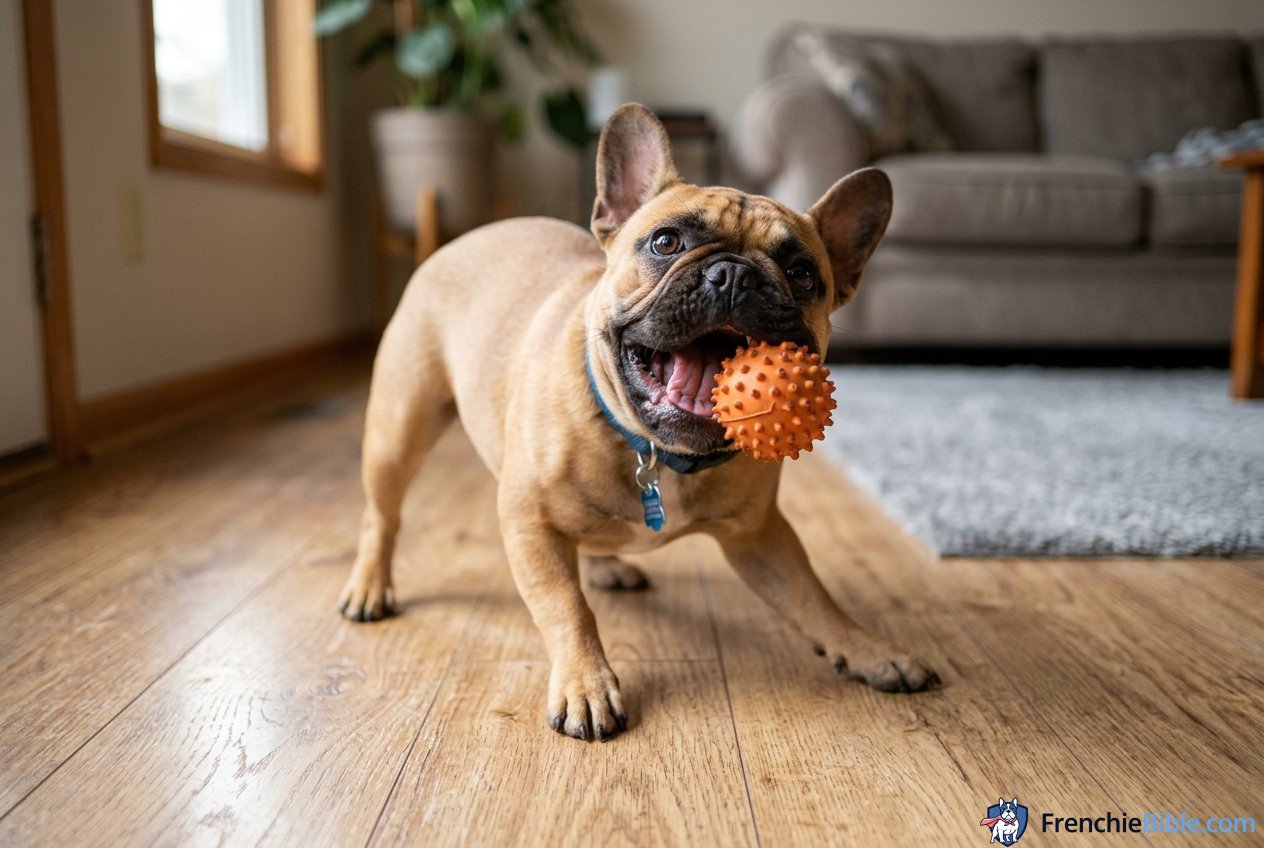
1. Another French Bulldog (The Ultimate Match)
Without a doubt, the absolute best companion for a French Bulldog is another French Bulldog. In the breeding community, we have a saying: “Frenchies are like potato chips; you can’t just have one.”
Why It Works:
No other breed understands a Frenchie quite like another Frenchie. They speak the same language. When one Frenchie makes a bizarre gargling noise, the other one knows exactly what it means. They have the exact same play style—chest-bumping and ear-chewing—so neither dog gets offended or overwhelmed. Their physical limitations are identical. When one gets tired and starts panting, the other is usually ready for a nap at the exact same time. They match perfectly in size, weight, and energy expenditure.
What to Watch Out For:
- Same-Sex Aggression: It is generally recommended to get the opposite sex. If you have a male, get a female. While two males or two females can get along, the likelihood of same-sex aggression, especially as they reach maturity, is higher.
- Double the Expenses: Two Frenchies mean double the premium dog food, double the pet insurance, and double the potential vet bills for breed-specific issues.
- Littermate Syndrome: If you are buying two puppies at the exact same time, you must be extremely diligent about separating them for training, sleeping, and bonding with you. Otherwise, they may bond so tightly to each other that they develop extreme anxiety when separated and become difficult to train. (This is why I always recommend waiting until your first Frenchie is at least 1-2 years old before adding a second).
2. The Pug
If you want a dog that matches the Frenchie’s lifestyle but brings a slightly different flavor of comedy to the household, the Pug is an outstanding choice.
Why It Works:
Pugs are also brachycephalic, meaning their exercise needs and heat tolerance are very similar to a Frenchie’s. You won’t have to worry about one dog needing a 5-mile run while the other can only walk down the block. Pugs are generally in the same weight class (though slightly lighter, usually 14-18 pounds) and have a very sturdy, cobby build that can handle a Frenchie’s physical play style. Temperamentally Pugs are lovers, not fighters. They are incredibly affectionate, eager to please, and have a wonderfully goofy sense of humor that perfectly complements the Frenchie’s clownish nature.
What to Watch Out For:
- Eye Protection: Pugs have very prominent eyes that are prone to injury (corneal ulcers). Because Frenchies play rough with their paws and mouths, you must monitor them carefully when they are young to ensure the Frenchie doesn’t accidentally scratch the Pug’s eye.
- Obesity: Both breeds are highly food-motivated and prone to gaining weight easily. You will need to be very strict about their diets and not let them steal each other’s food.
3. Boston Terrier
Often confused with French Bulldogs by the general public, the Boston Terrier shares similar ancestry (both descend from Bulldog and Terrier crosses in the 1800s) and makes a fantastic companion.
Why It Works:
Boston Terriers are the athletic, slightly taller cousins of the Frenchie. They are structurally very similar but tend to be leaner, have slightly longer snouts (usually resulting in better breathing), and are more agile. They are incredibly smart, easily trainable, and highly sociable. Their play style is very similar to the Frenchie’s, and they love a good wrestling match. Because they are slightly more athletic, a Boston Terrier can help keep a lazy Frenchie active and engaged.
What to Watch Out For:
- Energy Differences: Bostons generally have a bit more stamina than Frenchies. A young, hyperactive Boston Terrier might annoy an older, lazier Frenchie if they constantly demand to play.
- Temperature Regulation: Like Frenchies Bostons are sensitive to extreme temperatures, but they tend to get colder faster in the winter due to their leaner bodies and single coats.
4. English Bulldog
If you want a multi-dog household that is essentially a professional napping team, pairing a French Bulldog with an English Bulldog is a legendary combination.
Why It Works:
The English Bulldog is the older, much larger, and far lazier relative of the Frenchie. They share the same brachycephalic traits, the same stubborn streak, and the same love for lounging on the sofa. English Bulldogs are incredibly docile and tolerant. A young Frenchie can jump all over a sleeping English Bulldog, and the English Bulldog will likely just snort and go back to sleep. They match beautifully in energy levels (both are extremely low energy).
What to Watch Out For:
- The Size Difference: An English Bulldog can weigh anywhere from 40 to 55 pounds. While they are usually gentle, they are incredibly dense. If a playing English Bulldog accidentally rolls over onto a Frenchie, it could cause an injury. Play must be supervised, especially when the Frenchie is a puppy.
- Stubbornness Multiplied: Both breeds are notoriously stubborn. Training them requires immense patience, and they can sometimes encourage each other’s bad habits if not properly led by their human.
5. Basset Hound
This might seem like a wildcard, but in my years of experience I have seen Basset Hounds and French Bulldogs form incredible, lifelong bonds.
Why It Works:
The Basset Hound is a heavy-boned, low-to-the-ground breed with an incredibly laid-back, easygoing temperament. They are sturdy enough to easily withstand a Frenchie body slam. Basset Hounds are pack dogs; they were bred to hunt in large groups, meaning they are exceptionally dog-friendly and have very low levels of dog aggression. Their energy levels are quite compatible with Frenchies—they enjoy a good sniff on a walk but are perfectly content sleeping by the fireplace for the rest of the day.
What to Watch Out For:
- Vocalization: Basset Hounds are hounds. They bay, howl, and bark loudly. If you live in an apartment, this might not be the best pairing, especially since Frenchies can also be quite vocal and might join in on the howling.
- Spinal Issues: Like Frenchies Basset Hounds are prone to back problems (due to their long backs and short legs). You must manage their weight meticulously and prevent them from jumping off high furniture.
Other Great Dog Breeds to Consider
If the top 5 do not quite fit your lifestyle, there are several other breeds that can successfully integrate into a French Bulldog household, provided you take the right precautions.

6. Cavalier King Charles Spaniel
The Cavalier is one of the most gentle, affectionate, and adaptable breeds in the world. They weigh between 13 and 18 pounds, making them a safe size for a Frenchie companion. They do not have an aggressive bone in their body and will happily snuggle with a Frenchie for hours. However Cavaliers are more sensitive than Frenchies. A very boisterous, dominant Frenchie might overwhelm a timid Cavalier, so it is important to match their personalities carefully.
7. Golden Retriever
While they are a large breed Golden Retrievers are famous for being “gentle giants.” A well-socialized, well-trained Golden Retriever will adjust their play style to accommodate a smaller dog. They are patient, tolerant, and incredibly nurturing. The only risk is accidental injury due to the sheer size difference, especially when the Golden is a clumsy puppy. If you choose this pairing, it is often best to introduce a Frenchie puppy to an adult, already-calm Golden Retriever, or vice versa.
8. Beagle
Beagles are sturdy, compact, and highly sociable pack dogs. They weigh around 20-30 pounds, placing them in the exact same weight class as the Frenchie. They are playful and resilient. The main challenge with a Beagle is their nose; they are driven entirely by scent and can be prone to wandering if not leashed. They also require slightly more exercise than a Frenchie, but they are generally a very solid, robust companion choice.
9. Pembroke Welsh Corgi
Corgis are another low-to-the-ground, heavy-boned breed. They are sturdy enough to handle rough play and are incredibly intelligent. However Corgis are herding dogs. They have a strong instinct to nip at heels and herd other animals. A Corgi might try to herd your Frenchie during play, which the Frenchie might find highly annoying and react defensively to. If you choose a Corgi, you must be prepared to train away the herding instinct indoors.
Breeds You Should Proceed With Caution Or Avoid
Just as it is important to know which dogs make great companions, as a breeder I must warn you about pairings that frequently result in rehoming or stressful living environments. While there are always exceptions and individual personalities vary I generally advise against pairing Frenchies with the following types of dogs:

High-Energy Herding Dogs (Border Collies Australian Shepherds Cattle Dogs)
These breeds are bred to work all day long. They are intensely focused, highly energetic, and require constant mental and physical stimulation. A French Bulldog wants to sleep 14 hours a day. The herding dog will become frustrated with the Frenchie’s lack of participation, and the Frenchie will become highly stressed by the herding dog’s constant nipping, staring, and demands to play. It is a fundamental mismatch in lifestyle.
Large Guardian Breeds and High-Prey Drive Dogs (Akitas Cane Corsos Huskies Greyhounds)
French Bulldogs often make strange grunting and squeaking noises that sound a lot like prey animals (like a piglet or a rabbit). To a dog with a very high prey drive, these noises can trigger predatory drift—where the larger dog suddenly stops seeing the Frenchie as a fellow dog and starts seeing it as prey. Furthermore, large guardian breeds can play far too roughly. A single bite or a heavy paw strike from a 100-pound guardian breed can be fatal to a small Frenchie.
Extremely Fragile Toy Breeds (Chihuahuas Italian Greyhounds Pomeranians)
As mentioned earlier Frenchies play like miniature tanks. They do not have great body awareness. A Chihuahua weighing 4 pounds has extremely fragile, pencil-thin leg bones. If a 25-pound Frenchie gets the “zoomies” and crashes into a Chihuahua, the result is almost always an emergency vet visit for a broken bone. If you have a toy breed, you must constantly separate them during playtime, which defeats the purpose of having a companion dog.
How to Successfully Introduce a New Dog to Your Frenchie
Choosing the right breed is only half the battle. The way you introduce the two dogs will set the foundation for their entire relationship. A rushed or poorly managed introduction can lead to lifelong animosity. Follow these expert steps to ensure a smooth transition:
1. Neutral Territory Introduction
Never bring a new dog directly into your home and set them down on the living room floor. Your Frenchie views your home as their territory. Bring both dogs to a neutral location, like a quiet park or a neighbor’s yard. Keep both dogs on a loose leash. Allow them to sniff each other’s rear ends (the polite dog handshake) while keeping the leashes untangled. Keep moving—walking side-by-side helps them bond as a pack without staring each other down.
2. Remove High-Value Items Before Entering the Home
Before you bring the new dog inside, walk through your house and pick up every single toy, every bone, and every food bowl. French Bulldogs can be prone to resource guarding. If your Frenchie sees the new dog approach their favorite antler chew, a fight could break out immediately. The house should be completely clear of “triggers” for the first few weeks.
3. Separate Feeding and Sleeping Areas
Dogs are most vulnerable when they are eating and sleeping. Never feed the two dogs right next to each other initially. Feed them in separate rooms, or use crates. This removes the anxiety of “is this new dog going to steal my food?” Similarly, they should have their own separate crates or beds. Do not force them to sleep cuddled up together right away; let that happen naturally over time.
4. Supervising Playtime and Enforcing Naps
When the dogs start playing, supervise them closely. Frenchies often do not know when to quit. They will play until they are literally gasping for air. It is your job as the pack leader to step in and say, “Okay, playtime is over.” Separate them, put them in their crates, or put them on their beds to enforce a nap. Teaching them an “off switch” is crucial for a peaceful household.
5. Managing Jealousy
Frenchies want all your attention. When you get a new dog, your instinct will be to shower the new dog with affection to make them feel welcome. Your Frenchie will notice this and may become deeply resentful. Make sure you are greeting your original Frenchie first, feeding them first, and dedicating one-on-one time just to them. Reassure them that their place in the hierarchy is safe.
Understanding the Financial and Time Commitment
As a responsible breeder I must emphasize that getting a second dog is not just about whether the dogs will get along; it is about whether you are prepared for the commitment.
Two dogs mean double the expenses. French Bulldogs, in particular, require high-quality diets, potential allergy medications, wrinkle-cleaning supplies, and comprehensive pet insurance. If you add another Frenchie or a Pug, you are doubling the risk of brachycephalic-related vet bills.
Furthermore, you are doubling your training time. You cannot train two dogs simultaneously. You must take the time to walk them separately, train them separately, and bond with them separately so they look to you for guidance, rather than relying solely on each other. Make sure your budget and your schedule can comfortably handle this before making the leap.
Frequently Asked Questions (FAQ)
1. Should I get a male or female companion for my male French Bulldog?
In my extensive experience, opposite sexes almost always do better together. If you have a male Frenchie, adding a female companion is the safest bet to ensure long-term harmony. While male/male pairs can absolutely work, the risk of same-sex aggression—where two dogs constantly battle for dominance as they mature—is much higher. If you do get two males, ensuring both are neutered (at the appropriate age recommended by your breeder) can help mitigate hormonal aggression.
2. Is it better to get a puppy or an older rescue dog as a companion for my Frenchie?
This depends entirely on your current Frenchie’s age and temperament. If you have a 1-year-old, highly active Frenchie, a puppy of a similar breed will be a fantastic playmate. However, if your Frenchie is a 9-year-old senior who sleeps all day and suffers from arthritis, bringing a hyperactive 8-week-old puppy into the home is incredibly unfair and will cause the senior dog immense stress. In that scenario, adopting a calm, older adult dog (4-5 years old) would be a much kinder choice.
3. Will getting a second dog help cure my French Bulldog’s separation anxiety?
This is one of the most common misconceptions in the dog world. Getting a second dog is not a cure for separation anxiety. In some rare cases, it provides comfort, but more often than not, the anxious dog teaches the new dog to be anxious. You end up with two dogs destroying your house and howling when you leave. You must address and train away your Frenchie’s separation anxiety before bringing a second dog into the environment.
4. Do French Bulldogs actually prefer the company of other French Bulldogs?
Yes, absolutely. Dogs recognize their own breed. They recognize the body shape, the facial expressions, and most importantly, the play style. Frenchies play in a very specific, physical, mouthy way that other breeds often find offensive. When two Frenchies play, it is a perfectly synchronized, mutually understood game. While they can bond beautifully with other breeds, there is a special, undeniable magic when you put two Frenchies together.
5. How long does it usually take for a Frenchie to fully accept a new dog into the home?
Patience is absolutely key. Do not expect them to be best friends in 24 hours. The initial integration phase can take anywhere from 2 weeks to 3 months. According to the “Rule of 3” for dogs (3 days to decompress, 3 weeks to learn the routine, 3 months to feel completely at home), you must give them time. There will be corrections, grumbles, and boundary-setting. As long as there is no blood or severe aggression, allow them to figure out their dynamic while you calmly supervise.
Conclusion
Expanding your family by adding a companion for your French Bulldog is a deeply rewarding experience that will bring double the laughter and love into your home. By carefully considering the energy levels, size, and play styles of potential breeds—whether you choose another Frenchie, a lovable Pug, or a gentle Basset Hound—you are setting up your pack for success. Remember, a harmonious multi-dog household is not built by chance; it is built through careful breed selection, patient introductions, and dedicated, consistent leadership from you.
Disclaimer: The information provided in this article is solely based on over 10 years of professional experience in French Bulldog breeding, behavioral observation, and canine husbandry. I am a breeding expert and content director, not a licensed veterinarian. I do not hold any medical qualifications. The advice, breed recommendations, and behavioral insights shared in this guide are meant for educational and informational purposes only. This content should never be used as a substitute for professional veterinary advice, diagnosis, or treatment. Always consult with a licensed veterinarian regarding the health, physical capabilities, and medical suitability of any dog before making decisions about introducing a new pet into your home or altering their care routine.